How to Pick a Die Cutting Machine for Your Craft Room
The Cricut Maker 3 leads for its rotary blade and wide material range, from paper to leather. The Silhouette Cameo 5 suits crafters who want offline SVG editing without a subscription. The Sizzix Big Shot Plus remains the reliable manual pick for steel dies and embossing folders.
Two entirely different machines share the name die cutter: electric cutters that follow a digital path, and manual presses that push a physical die through rollers. The Cricut Maker 3 tops the electric category because its rotary blade reaches fabric and leather that lighter cutters cannot touch. The Sizzix Big Shot Plus remains the dependable manual choice for anyone with a drawer of steel dies.
Neither style replaces the other, which is what makes shopping confusing. We compared cutting force, material compatibility, cut width, software requirements and what owners report about mat life and long term reliability to build this list.
The top picks, ranked
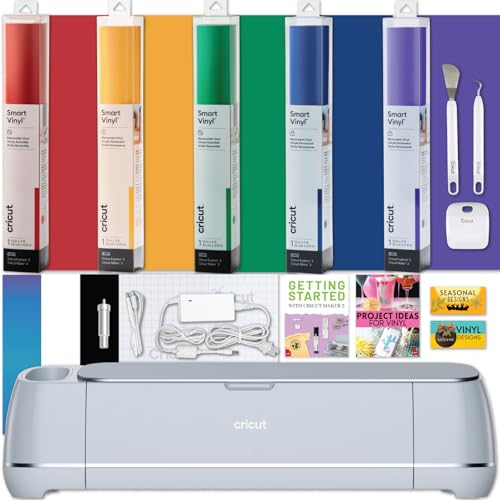
Cricut Maker 3
A rotary blade and knife blade give the Maker 3 reach beyond paper and vinyl into fabric, leather and thin basswood. Smart Materials cut in long continuous runs without a mat, useful for banners. Owners upgrading from paper only cutters point to the adaptive tool system as the reason.
Pros
- Cuts fabric, leather and basswood, not just paper
- Mat free Smart Material runs stretch up to twelve feet
- A large accessory range covers scoring and engraving
Cons
- Design Space needs an internet connection to run
- Blades and mats add an ongoing consumable cost

Silhouette Cameo 5
Offline operation and native SVG support are why many designers choose the Cameo 5 over rival cutters. A dual carriage cuts and draws in the same pass, and a roll feeder handles long vinyl runs. Owners report Silhouette Studio takes longer to learn but rewards with finer control.
Pros
- Works fully offline with no forced cloud login
- A dual carriage cuts and sketches in one job
- Opens standard SVG files without conversion steps
Cons
- Studio’s interface asks more of new users
- Some advanced tools sit behind a paid upgrade
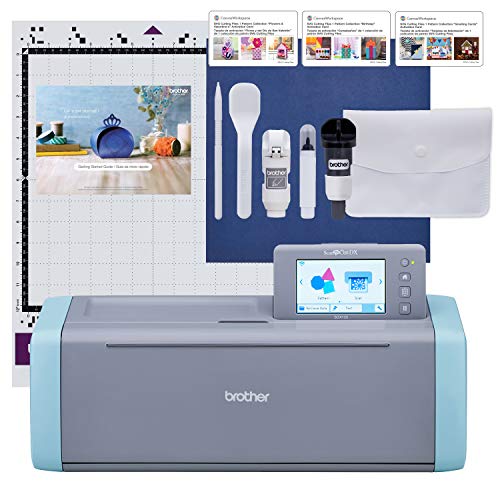
Brother ScanNCut SDX125e
A built in scanner reads a hand drawn or printed design straight off the mat and cuts it, no computer needed. An automatic blade sensor sets cutting depth for the material. Based on specifications it also handles fabric up to a moderate weight, appealing to quilters.
Pros
- Scans and cuts artwork directly without a PC
- Runs standalone from its own touchscreen
- Automatic blade depth removes guesswork on new materials
Cons
- On screen editing trails desktop design software
- Takes up more desk space than most rivals

Cricut Explore 3
Vinyl decals, cardstock and iron on transfers are squarely this machine’s territory, cut at roughly double the speed of the older Explore Air 2. It shares the Maker 3’s mat free Smart Material workflow. Owners who never touch a rotary blade save money choosing this over the Maker line.
Pros
- Cuts noticeably faster than earlier Explore models
- Shares the Maker 3’s mat free long cutting
- A simple guided workflow suits newer crafters
Cons
- Skips rotary and knife blade support entirely
- Still tied to the same online Design Space

Sizzix Big Shot Plus
A crank, two rollers and interchangeable plates run this machine, with no software or firmware to go obsolete. Its wider platform fits A4 and letter sized dies the standard Big Shot cannot. Owners report units still working perfectly a decade after purchase.
Pros
- Needs no electronics, software or subscription
- Handles embossing folders as well as cutting dies
- A wide plate accepts letter and A4 sized dies
Cons
- Only cuts shapes for dies you already own
- Cranking through thick stacks takes real effort

Spellbinders Platinum 6 Machine
A heavier steel frame and wider aperture set the Platinum 6 apart from most manual machines, which owners credit for cleaner cuts on fine detail metal dies. It folds upright for shelf storage instead of a permanent desk footprint. An included plate set covers most common die brands.
Pros
- Even pressure gives clean cuts on detailed dies
- A solid steel frame resists flexing over years
- Folds away rather than holding permanent desk space
Cons
- Its aperture is narrower than letter sized machines
- Weighs enough to make moving it a chore

Gemini Junior by Crafter’s Companion
A motor drives plates through automatically here, replacing the wrist effort a manual crank demands. That difference matters for crafters with limited hand strength or long card batches. It still fits a small table while accepting most standard die brands.
Pros
- A motor removes the physical effort of cranking
- Handles long batches without hand fatigue
- Keeps a smaller footprint than full sized electric cutters
Cons
- Cannot cut custom digital designs, only physical dies
- The motor is audible during longer runs
How they compare
| # | Model | Cut width | Best for | Score | Price |
|---|---|---|---|---|---|
| 1 | Cricut Maker 3 | 11.7 inches | Best overall | 9.4 | Check price |
| 2 | Silhouette Cameo 5 | 12 inches | Best value | 9.2 | Check price |
| 3 | Brother ScanNCut SDX125e | 11.7 inches | Best for scanning existing artwork | 9.0 | Check price |
| 4 | Cricut Explore 3 | 11.7 inches | Best for vinyl and paper crafts | 8.8 | Check price |
| 5 | Sizzix Big Shot Plus | 9 inches | Best manual machine | 8.6 | Check price |
| 6 | Spellbinders Platinum 6 Machine | 6 inches | Best for intricate metal dies | 8.3 | Check price |
| 7 | Gemini Junior by Crafter’s Companion | 6 inches | Best compact electric die cutter | 8.0 | Check price |
Before you buy
Manual or electric: which type of die cutter do you need? Manual machines press a physical steel die through card with rollers, so your shape library is whatever dies you own. Electric cutters follow a digital path instead, making the shape library effectively unlimited but software dependent. Crafters with an existing die collection lean manual, while custom vinyl or lettering work calls for electric.
What cut width and length actually mean Most electric cutters land near 12 inches wide, matching the standard mat size. Length is where they differ: mat free Smart Material or roll feeder systems run several feet continuously, useful for banners and car decals. Manual machines are limited by plate size, so check your dies fit the aperture.
How much does the software matter? A machine is only as usable as the software running it. Cricut Design Space is approachable but needs an internet connection and nudges toward a subscription. Silhouette Studio runs offline with deeper control and a steeper curve. Brother ScanNCut can work entirely standalone from its screen.
Best die cutting machine for small craft rooms and tight budgets Compact motorised machines like the Gemini Junior save desk space without asking for cranking effort. Sizzix and Spellbinders manual machines fold away between projects. Crafters with an existing die collection often need nothing more than a modest manual press and a stack of dies.
Questions worth asking
What is the difference between a die cutting machine and a Cricut?
A Cricut is one brand of electric die cutting machine. The broader category also includes manual crank machines like the Sizzix Big Shot, which cut using physical steel dies rather than a blade following a digital design.
Can a die cutting machine cut fabric?
Some can. The Cricut Maker line uses a rotary blade built for fabric, and the Brother ScanNCut handles fabric with a suitable blade and backing. Entry level vinyl cutters and manual machines generally cannot, unless you own fabric dies.
Do I need a computer to use a die cutting machine?
Manual machines need nothing but a crank. Most electric cutters need a computer, tablet or phone running their design software, though the Brother ScanNCut can operate entirely from its own touchscreen.
How long do cutting mats typically last?
Owners typically report twenty to fifty projects before a mat loses meaningful tack, depending heavily on material and cleaning habits. Wiping the mat with a lint roller and keeping its cover on between sessions extends life considerably.
Are dies from different brands interchangeable?
Mostly yes for thin metal wafer dies, which work across most manual machines given the correct plate sandwich. Steel rule dies run thicker and need a machine rated for them, so check the plate configuration chart first.
Can these machines cut thick materials like wood?
Only some. The Cricut Maker range cuts thin basswood and balsa with the knife blade, in slow multiple passes. Nothing in this class handles hardwood or true lumber thickness.
Is a die cutting machine worth it for occasional crafting?
A handful of cards a year suits a small manual machine and a few dies, with no software to learn. Electric cutters pay off once custom shapes, personalised text or vinyl work enter the picture.
Why is my machine not cutting all the way through?
The usual causes are a dull blade, an incorrect material setting, a mat that has lost tack and lets material shift, or debris in the blade housing. Work through those before assuming the machine is faulty.
Cricut Maker 3 vs Silhouette Cameo 5: which suits beginners better?
The Maker 3’s guided Design Space workflow is friendlier for a first machine, while the Cameo 5 rewards patience with offline control and no subscription nudges. Beginners planning simple projects usually settle faster with Cricut.
The verdict
The Cricut Maker 3 earns the overall spot because it cuts the widest range of materials and keeps growing through its tool ecosystem. Designers who want offline control and plain SVG handling should look at the Silhouette Cameo 5 instead, and anyone with a drawer full of steel dies is better served by the Sizzix Big Shot Plus.