Which Electronic Learning Toy Actually Suits a New Talker?
LeapFrog’s LeapStart 3D Interactive Learning System leads for structured letter and number practice. VTech’s Sit-to-Stand Learning Walker suits early walkers who need music and shape recognition built in. Fisher-Price’s Laugh & Learn Smart Stages Puppy covers songs and counting for infants through toddlers at a lower cost.
Three things matter most when picking a first electronic learning toy: real content covering letters, numbers, or shapes, real volume control, and an age match that won’t bore or overwhelm a child. LeapFrog’s LeapStart 3D system leads this comparison for structured phonics and math practice. VTech’s Sit-to-Stand Learning Walker pairs mobility support with early vocabulary, and Fisher-Price’s Laugh & Learn Puppy still delivers solid coverage at a lower price point.
Packaging rarely explains which skills a toy actually reinforces, so choosing between similar-looking books, walkers, and remotes gets confusing fast. We compared official product listings, specifications, and owner feedback patterns across age range, learning focus, battery requirements, and volume controls, then grouped these seven picks by the situations where each performs best.
The top picks, ranked

LeapFrog LeapStart 3D Interactive Learning System
A stylus-based console pairs with purchasable interactive books covering letters, numbers, and early science topics. Content difficulty shifts as a child moves from preschool into early elementary levels. Parents pick from dozens of separately sold book titles, letting the system grow alongside changing interests.
Pros
- Book library expands independently of the console
- Stylus use builds fine motor control
- Content spans preschool through early elementary levels
Cons
- Interactive books cost extra beyond the console
- Base package ships without batteries

VTech Sit-to-Stand Learning Walker
Toddlers push this walker upright as confidence grows, though it also folds flat into a tabletop activity center. Buttons and piano keys introduce shapes, numbers, and short songs in either mode. Wheels detach so parents can slow a toddler still working on balance.
Pros
- Switches between tabletop and walker configurations
- Detachable wheels control walking speed
- Batteries come included in the box
Cons
- Volume only switches on or off, no mid setting
- Storage takes more space than handheld toys
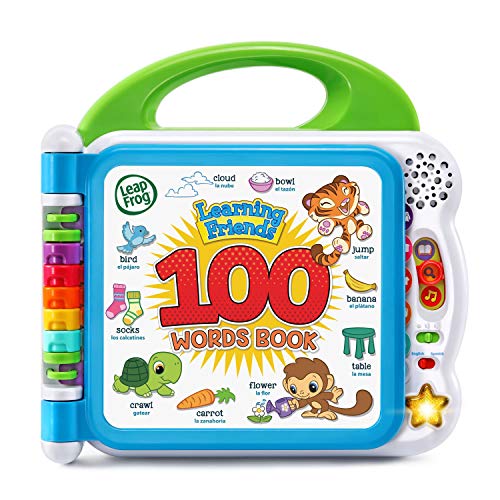
LeapFrog Learning Friends 100 Words Book
Pages full of animals, food, and everyday objects pair with more than 100 spoken words. Tapping a picture triggers a matching word, fact, or short song. Lap reading time suits this format better than solo play.
Pros
- More than 100 words span several categories
- Batteries ship included and ready to use
- Compact shape travels easily in a bag
Cons
- Works best with a caregiver seated nearby
- Page buttons wear with heavy repeated use

Fisher-Price Laugh & Learn Smart Stages Puppy
Three Smart Stages learning levels unlock progressively harder songs and phrases as a child grows. Early levels focus on cause-and-effect sounds, while later ones add counting and letters. Soft ears and a smiling face keep the toy approachable for younger infants.
Pros
- Three learning levels grow alongside the child
- Plush material suits younger infants best
- Batteries are included at purchase
Cons
- Volume stays fixed rather than fully adjustable
- Content plateaus after the third Smart Stages level
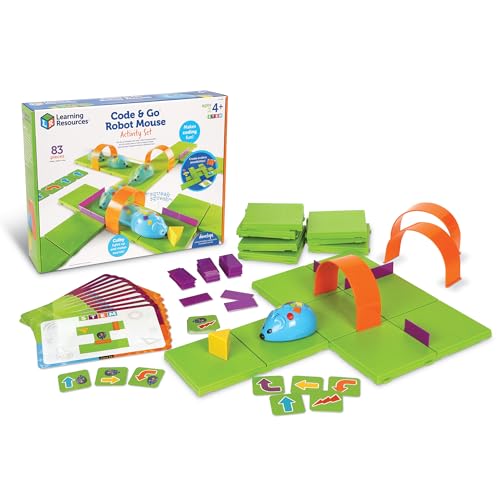
Fisher-Price Think & Learn Code-a-Pillar
Detachable segments snap together in different orders, teaching sequencing logic as the caterpillar’s path changes. A child plans a route, presses go, then watches the toy execute that sequence. Directional thinking here predates formal coding apps by design.
Pros
- Sequencing and planning skills build without a screen
- Only the head segment needs batteries
- Trial and error play stays hands-on
Cons
- Small segments pose a choking hazard for younger siblings
- No volume adjustment fits shared spaces

VTech Touch and Teach Word Book
Touch-sensitive pages highlight animals, colors, and first words in a sturdy board-book format. Each tap plays a word, matching sound, or short fact. Thick pages hold up to repeated handling from toddlers still learning to turn pages carefully.
Pros
- Board pages resist tearing under heavy use
- Two volume levels suit different environments
- Simple design supports early solo exploration
Cons
- Vocabulary covers fewer categories than larger books
- Word count trails the 100 Words title

LeapFrog Scout’s Learning Lights Remote
Shaped like a television remote, light-up number buttons teach counting, colors, and first words. A clip attachment and compact size make it easy to bring along in a diaper bag or stroller. Toddlers who reach for real remotes at home often gravitate toward this shape.
Pros
- Compact shape fits diaper bags and car seats
- Clip attachment prevents drops during travel
- Light-up buttons add visual feedback
Cons
- Fewer learning categories than book-style toys
- Small buttons challenge younger infants
Before you buy
What Should You Look for in a First Electronic Learning Toy? Age range printed on the box matters less than the skill level packed inside it. Smart Stages style toys grow with a child, while single-purpose toys stay static no matter how long they’re used. Battery type affects long-term cost, since AAA-powered toys run cheaper than proprietary rechargeable packs. Volume control deserves real attention, since several owners report factory settings running louder than expected in small rooms.
Interactive Books vs Walkers vs Handheld Remotes: Which Format Fits? Interactive books like the LeapFrog Learning Friends title suit seated reading time and vocabulary building. Walkers such as the VTech Sit-to-Stand model double as mobility aids, pairing physical development with number and shape recognition. Handheld remotes and clip-on toys, including the LeapFrog Scout’s Learning Lights Remote, fit car rides and waiting rooms where a book or walker won’t work. Daily routines often predict how much use a toy gets more than its content does.
Which Toy Matches Your Child’s Age and Developmental Stage? Infants under one year respond best to cause-and-effect toys with simple buttons and sounds, like the Fisher-Price Laugh & Learn Puppy on its earliest Smart Stages level. Toddlers between one and three years benefit from vocabulary-focused books and walkers that reinforce first words and counting. Preschoolers age three and up can handle sequencing challenges and early logic, which is where STEM-oriented toys start adding value. Jumping straight to advanced content before a child can hold a button down consistently tends to cause frustration instead of learning.
Are Screen-Free STEM Toys Worth It for Preschoolers? None of these seven picks include a screen, keeping them in line with pediatric guidance to limit screen time under age two. Fisher-Price’s Think & Learn Code-a-Pillar introduces sequencing and problem-solving without any display, using directional segments a child snaps together. Toys that teach cause-and-effect logic before formal coding apps tend to build patience for multi-step tasks later on. Parents prioritizing STEM readiness should look for toys that require planning ahead, not just button pressing.
How they compare
| # | Model | Age Range | Best for | Score | Price |
|---|---|---|---|---|---|
| 1 | LeapFrog LeapStart 3D Interactive Learning System | 2 to 7 years | Best overall | 9.4 | Check price |
| 2 | VTech Sit-to-Stand Learning Walker | 9 months to 3 years | Best value | 9.2 | Check price |
| 3 | LeapFrog Learning Friends 100 Words Book | 1 to 3 years | Best for preschool vocabulary building | 9.0 | Check price |
| 4 | Fisher-Price Laugh & Learn Smart Stages Puppy | 6 months to 3 years | Best budget | 8.8 | Check price |
| 5 | Fisher-Price Think & Learn Code-a-Pillar | 3 to 6 years | Best for STEM readiness | 8.7 | Check price |
| 6 | VTech Touch and Teach Word Book | 12 months to 3 years | Best for toddlers learning first words | 8.5 | Check price |
| 7 | LeapFrog Scout’s Learning Lights Remote | 6 months to 3 years | Best for on-the-go learning | 8.3 | Check price |
Questions worth asking
What age is right for a first electronic learning toy?
Most beginner electronic learning toys target six months through three years, with Smart Stages or similar leveling systems adjusting content as a child grows. Check the exact age range printed on each product listing, since ranges vary by toy type.
Are electronic learning toys better than traditional toys for language development?
Electronic toys add repetition and immediate audio feedback that traditional toys lack. Pediatric guidance still recommends pairing them with reading aloud and real conversation, since neither format replaces direct caregiver interaction.
Can electronic learning toys replace reading books aloud?
No single toy substitutes for shared reading time, according to child development guidance. Interactive books like the LeapFrog Learning Friends title work best as a supplement, not a replacement.
Is the LeapFrog LeapStart system worth it compared to VTech options?
LeapStart 3D suits families wanting structured phonics and math lessons through purchasable book cartridges. VTech options like the Sit-to-Stand Walker lean more toward early vocabulary and physical play, so the better choice depends on which priority matters more.
Do these toys need constant battery replacement?
Battery life varies by usage, but most listings specify standard AAA or AA batteries rather than proprietary packs. Owners commonly report several weeks of life under regular daily play.
Which learning toy works best for toddlers who are just starting to walk?
The VTech Sit-to-Stand Learning Walker converts from a stationary activity table to a push walker. That shift matches a toddler’s mobility stage as they move from cruising to independent steps.
How loud are electronic learning toys, and can volume be controlled?
Six of the seven picks here include an adjustable volume switch or dial, letting parents lower output for shared spaces or naptime. The Fisher-Price Laugh & Learn Puppy ships with a fixed low to medium volume instead of a full range control.
Does a Code-a-Pillar toy actually teach coding skills to preschoolers?
It teaches sequencing and directional logic, the conceptual groundwork for coding, rather than actual programming syntax. Preschoolers snap segments into an order that determines the toy’s path, building planning skills useful for later STEM subjects.
What’s the best electronic learning toy for travel or long car rides?
Compact, clip-on styles like the LeapFrog Scout’s Learning Lights Remote attach to a car seat or stroller and survive drops better than book-style toys. Their smaller button count also limits distraction on the road.
Final word
No single toy fits every stage between six months and six years, so matching format and skill level to current abilities matters more than brand loyalty. LeapFrog’s LeapStart 3D system offers the most structured content for families ready for lessons, while the VTech Walker and Fisher-Price Puppy cover earlier mobility and cause-and-effect stages at lower cost. Check current listings on Amazon for exact age recommendations before buying.


