Bird Health Supplies Worth Keeping in Your Cage Kit
Nekton-S multivitamin covers the most common gap in a seed based diet, the Zoo Med AvianSun 5.0 UVB lamp supports vitamin D3 synthesis indoors, and Miracle Care Kwik Stop styptic powder is the one item you want before you need it. None of these replaces an avian vet.
If you are assembling a bird care kit, Nekton-S multivitamin, a Zoo Med AvianSun 5.0 UVB lamp and Miracle Care Kwik Stop styptic powder cover the three most common needs: nutritional gaps, indoor lighting and minor bleeding. Everything else here fills a more specific role.
Bird health products are hard to evaluate because birds hide illness until it is advanced, so owners often cannot tell what worked. We compared what each product is actually formulated to address, how it is dosed, whether it survives being added to water, and which species it suits. Nothing here diagnoses or treats disease. A bird that is fluffed, quiet, sitting low on the perch or has changed droppings needs an avian vet promptly, not a supplement.
The shortlist, ranked

Nekton-S Multi-Vitamin Supplement for Birds
Nekton-S is the long established multivitamin that avian keepers reach for when a bird eats a largely seed based diet. It supplies vitamins, amino acids and trace elements in a powder that can go over soft food or into water. Owners report the sealed tub keeps the powder usable far longer than loose packaging.
Pros
- Broad formulation covering common dietary gaps
- Flexible dosing over food or in water
- Well established among aviculturists
Cons
- Water dosing needs daily changing to stay fresh
- Not needed for birds already on a complete pellet diet

Zoo Med AvianSun 5.0 UVB Compact Fluorescent Lamp
Window glass filters out the UVB wavelengths birds use to synthesise vitamin D3, which is why indoor birds can be short of it despite a sunny room. This compact fluorescent fits a standard socket and is designed for that gap. Based on specifications the output declines over months, so replacement on schedule matters more than the bulb still lighting up.
Pros
- Addresses a real gap for birds kept indoors
- Fits ordinary lamp fixtures
- Widely used and well documented
Cons
- Output fades before the bulb visibly fails
- Needs correct distance from the cage to be effective

Miracle Care Kwik Stop Styptic Powder
A clipped nail cut slightly too short or a snagged blood feather bleeds more than owners expect, and styptic powder stops it quickly. This is the standard product kept in bird and small animal first aid kits. Owners report that having it within reach of the cage is the entire point, since the alternative is improvising at an awkward moment.
Pros
- Works fast on minor nail and beak bleeding
- Long shelf life in a sealed jar
- Inexpensive insurance for a care kit
Cons
- Not for use on broken skin or open wounds
- A broken blood feather still needs veterinary attention

Nekton-Bio Feather Growth Supplement
Moulting is metabolically demanding and increases a bird’s need for certain amino acids and vitamins. Nekton-Bio is formulated for that period rather than for year round use, with added biotin. Based on specifications it is a seasonal supplement to rotate in rather than a permanent addition to the diet.
Pros
- Targeted at a genuinely demanding period
- Same easy dosing as the standard Nekton formula
- Widely used by breeders
Cons
- Not intended for continuous year round use
- Overlaps with a general multivitamin if both are given

Lafeber Avi-Era Powdered Bird Vitamins
Avi-Era is a straightforward powdered multivitamin developed by a veterinary company with a long history in avian nutrition. It mixes into water or dusts onto food and covers the standard vitamin profile. Owners report it is an economical option for households with several birds.
Pros
- Economical for multiple birds
- Simple, familiar formulation
- From a company focused on avian nutrition
Cons
- Less comprehensive than premium blends
- Water dosing requires daily replacement
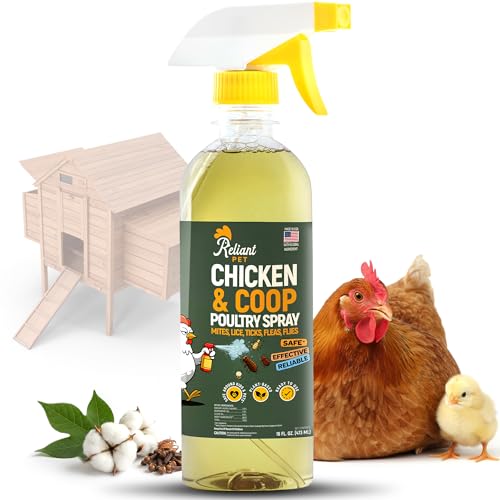
Sentry HC Ultra Cage Bird Mite and Lice Spray
Mites and lice show up as restlessness at night, feather damage and visible specks on cage bars, and they need treating on both the bird and the environment. This spray is labelled for cage bird use and for treating the cage itself. Based on specifications careful adherence to the label is essential, and a diagnosis from an avian vet is worth having first.
Pros
- Addresses both bird and cage in one product
- Readily available when an infestation appears
- Clear label directions
Cons
- Birds find spraying stressful
- Misidentified symptoms mean treating the wrong problem

Vetericyn Plus Antimicrobial Wound and Skin Care Spray
This is a non-stinging spray used to flush and clean minor scrapes and irritated skin on a range of animals including birds. It contains no alcohol or antibiotics, so it is a cleaning step rather than a treatment. Owners report it is useful for the small abrasions that happen around cages and perches, with anything more serious going straight to a vet.
Pros
- Non-stinging and safe if the bird preens the area
- Useful across other household pets too
- Long shelf life sealed
Cons
- Cleans rather than treats infection
- Deep or persistent wounds need veterinary care
How they stack up
| # | Model | Form | Best for | Score | Price |
|---|---|---|---|---|---|
| 1 | Nekton-S Multi-Vitamin Supplement for Birds | Fine powder | Best overall | 9.4 | Check price |
| 2 | Zoo Med AvianSun 5.0 UVB Compact Fluorescent Lamp | Compact fluorescent, 5.0 UVB | Best for indoor lighting | 9.2 | Check price |
| 3 | Miracle Care Kwik Stop Styptic Powder | Powder with benzocaine | Best for minor bleeding | 9.0 | Check price |
| 4 | Nekton-Bio Feather Growth Supplement | Fine powder | Best during moult | 8.8 | Check price |
| 5 | Lafeber Avi-Era Powdered Bird Vitamins | Powdered vitamin blend | Best value multivitamin | 8.6 | Check price |
| 6 | Sentry HC Ultra Cage Bird Mite and Lice Spray | Pump spray | Best for external parasites | 8.3 | Check price |
| 7 | Vetericyn Plus Antimicrobial Wound and Skin Care Spray | Liquid spray | Best for minor wound cleaning | 8.0 | Check price |
What matters most
Start with diet and light, not supplements Most avoidable health problems in pet birds trace back to two things: an all-seed diet and inadequate lighting. A bird eating a formulated pellet diet with fresh vegetables generally does not need a general multivitamin, and adding one anyway risks oversupplying fat soluble vitamins. Supplements make the most sense for birds on seed based diets, during moult, or where an avian vet has identified a specific gap. Full spectrum lighting addresses a separate issue, since window glass blocks the UVB wavelengths birds use to make vitamin D3.
What belongs in a home bird first aid kit The kit that actually gets used is small. Styptic powder for a nail clipped too short, a pair of proper bird nail clippers, blunt-tipped scissors, gauze, a small towel for safe restraint, a travel carrier ready to go, and a heat source such as a covered heat pad for supporting a sick bird on the way to the vet. Add a digital kitchen scale, since weighing a bird weekly is the single most reliable way to catch illness early. Keep your avian vet’s number and the nearest emergency clinic on the kit itself.
Reading the warning signs early Birds instinctively mask illness, so by the time symptoms are obvious the problem is often advanced. Watch for sitting fluffed on the cage floor, tail bobbing with each breath, changes in droppings, reduced vocalisation, loss of appetite, or a drop in weight. Any of these warrant a call to an avian vet the same day. Small birds have very little reserve and can decline within hours, which is why waiting to see if it improves is riskier for birds than for larger pets.
Using products safely around birds Birds have extremely sensitive respiratory systems, which changes how you use any spray or aerosol near them. Follow label directions exactly, ventilate the room, and never use a product on a bird unless it is specifically labelled for avian use. The same sensitivity applies to household items: overheated non-stick cookware, scented candles, aerosol cleaners and tobacco smoke are all known hazards. When in doubt about whether a product is safe near your bird, ask an avian vet before using it rather than after.
Questions worth asking
Does my bird need a vitamin supplement?
It depends on the diet. Birds eating a complete formulated pellet diet with fresh vegetables usually do not, and extra supplementation can cause its own problems. Birds on a mostly seed diet are the ones most likely to benefit. Ask an avian vet before starting anything long term.
Why does an indoor bird need a UVB lamp?
Birds use UVB wavelengths to synthesise vitamin D3, which they need to use calcium properly. Ordinary window glass filters out most UVB, so a bird in a sunny room still may not get any. A bird specific full spectrum lamp at the correct distance addresses that gap.
How often should a UVB bulb be replaced?
Every six to twelve months depending on the product, because UVB output falls well before the bulb stops producing visible light. Mark the installation date on the bulb or a calendar, since there is no visual cue that it has stopped being useful.
What do I do if I clip a nail too short?
Stay calm, restrain the bird gently in a towel and apply styptic powder to the nail with firm pressure. Bleeding should stop quickly. If it continues for more than a couple of minutes, or the bird seems weak, contact an avian vet straight away, since small birds have very little blood to lose.
How do I know if my bird has mites?
Common signs are restlessness at night, excessive scratching, feather damage and small moving specks on cage bars or in bedding. Many of these overlap with other conditions, so getting a diagnosis from an avian vet before treating is worthwhile rather than spraying on suspicion.
Can I put vitamins in my bird’s drinking water?
Many products allow it, but treated water spoils faster and some birds drink less when the taste changes. If you do use water dosing, change it at least daily and clean the container thoroughly. Dusting a supplement on soft food generally gives more reliable intake.
What household items are dangerous to birds?
Overheated non-stick cookware, aerosol sprays, scented candles, air fresheners, tobacco smoke and many houseplants. Avocado, chocolate, caffeine and alcohol are toxic if eaten. Birds have highly efficient respiratory systems that concentrate airborne toxins, so ventilation alone is not always enough.
When should I take my bird to the vet?
Promptly, for any change in behaviour, posture, droppings, appetite or weight. Birds conceal illness until it is well advanced, so early signs deserve the same urgency you would give obvious symptoms in another pet. Find an avian vet before you need one, as not all practices see birds.
The bottom line
Nekton-S is the most broadly useful item here for birds on seed based diets, and the Zoo Med AvianSun 5.0 UVB lamp addresses a lighting gap that affects almost every indoor bird. Miracle Care Kwik Stop styptic powder costs very little and is the one thing you will be glad to already own. Treat all of it as support for good husbandry rather than a substitute for an avian vet.