Bluetooth Receivers That Bring an Old Stereo Back to Life
1Mii’s B03PRO tops the list thanks to aptX HD decoding and dual RCA plus optical outputs. Budget buyers should look at the Aluratek ABR03F for a no frills adapter. Pairing a TV without lip sync drift favors the Avantree Oasis Plus and its low latency mode.
Stereo gear built before 2015 rarely includes a Bluetooth chip. Attaching the wrong adapter introduces hiss, dropped connections or a lag noticeable during TV dialogue. Real RCA jacks and aptX HD codec support put the 1Mii B03PRO ahead of typical plug in adapters.
Codec support shapes sound quality more than any spec sheet headline. Output type and transmission range decide whether a receiver reaches gear across a living room. We compared listed codecs, connector types and owner reports on dropouts and pairing reliability to rank these seven.
The shortlist, ranked

1Mii B03PRO Bluetooth 5.0 Audio Receiver
Two output pairs mean this receiver can feed an amplifier and a soundbar at the same time. aptX HD keeps more of the original detail than standard SBC streaming allows. Interior walls rarely block its rated 100 foot range, according to owner reports.
Pros
- Dual outputs cover two devices at once
- aptX HD preserves more detail than SBC
- Range holds through at least one interior wall
Cons
- Optical cable not included in the box
- Pairing button placement on the rear panel is awkward

Avantree Oasis Plus Bluetooth Transmitter Receiver
One unit switches between transmitting to a TV and receiving from a phone. aptX Low Latency keeps dialogue matched to lip movement instead of trailing behind. A digital display confirms connection status rather than leaving you to guess at a blinking light.
Pros
- Switches between transmitter and receiver roles
- Low latency mode prevents lip sync delay
- Display shows pairing status clearly
Cons
- Menu system takes some time to learn
- Priced higher than single mode receivers
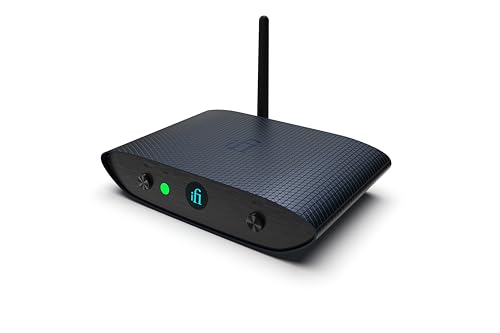
iFi Audio ZEN Blue Bluetooth DAC Receiver
A Burr Brown DAC chip sets this apart from receivers built around a single budget chipset. LDAC and aptX HD decode at higher bitrates than SBC ever reaches. Balanced and RCA outputs suit a full stereo amplifier better than a compact soundbar.
Pros
- Dedicated DAC outperforms chipset only receivers
- LDAC support suits high resolution streaming
- Multiple output types match most amplifiers
Cons
- No display or remote control included
- More capability than a basic bookshelf setup needs
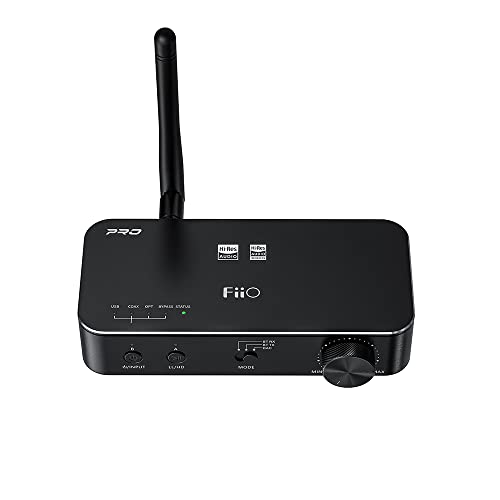
FiiO BTA30 Pro Bluetooth Transmitter Receiver
LDAC pulls noticeably more detail from a phone than aptX alone manages. XLR balanced outputs sit next to RCA and optical for flexible hookup options. Owners running dedicated stereo separates describe a quieter noise floor than cheaper adapters deliver.
Pros
- XLR outputs suit higher end amplifiers
- LDAC extracts more detail from streaming sources
- Switchable mode adds transmitter functionality
Cons
- Larger footprint than pocket sized receivers
- Pairing steps vary depending on codec used

Anker Soundsync A3352 Bluetooth Receiver
A small LED screen names the paired device, a feature most receivers this size skip entirely. Both 3.5mm and RCA outputs cover older and newer amplifiers alike. Owners describe setup as plug in once and forget about it afterward.
Pros
- Display confirms which device is paired
- Covers both 3.5mm and RCA equipment
- Reconnects automatically after a power interruption
Cons
- Lacks aptX HD or LDAC support
- USB power cable runs on the short side
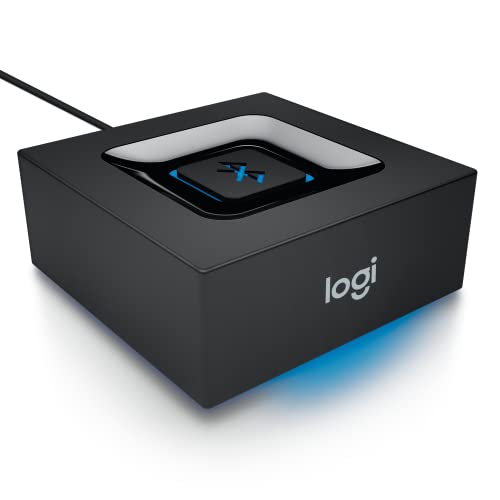
Logitech Bluetooth Audio Receiver
Single button pairing suits anyone who never wants to crack open a manual. It remembers the last paired phone and reconnects the moment power returns. A combined 3.5mm and RCA jack keeps the housing small but limits output flexibility.
Pros
- One button pairing skips the manual entirely
- Automatically reconnects to the last paired phone
- Small enough to hide behind an amplifier
Cons
- Older Bluetooth version shortens effective range
- No aptX support limits streaming quality

Aluratek ABR03F Universal Bluetooth Audio Receiver
Just one 3.5mm output keeps this receiver basic, which also keeps the price low. A single press starts pairing, followed by a short wait for connection. Most owners use it to add Bluetooth to one set of computer or bookshelf speakers.
Pros
- Low entry price for basic Bluetooth audio
- Compact enough to tuck behind speakers
- Pairing needs only one button press
Cons
- Single 3.5mm output limits amp compatibility
- Older Bluetooth version reduces effective range
Side by side
| # | Model | Bluetooth version | Best for | Score | Price |
|---|---|---|---|---|---|
| 1 | 1Mii B03PRO Bluetooth 5.0 Audio Receiver | 5.0 | Best overall | 9.4 | Check price |
| 2 | Avantree Oasis Plus Bluetooth Transmitter Receiver | 5.3 | Best for TV and low latency | 9.1 | Check price |
| 3 | iFi Audio ZEN Blue Bluetooth DAC Receiver | 5.0 | Best for audiophile sound quality | 8.9 | Check price |
| 4 | FiiO BTA30 Pro Bluetooth Transmitter Receiver | 5.3 | Best for high resolution codecs | 8.7 | Check price |
| 5 | Anker Soundsync A3352 Bluetooth Receiver | 5.0 | Best value | 8.4 | Check price |
| 6 | Logitech Bluetooth Audio Receiver | 4.1 | Best for simplicity | 8.2 | Check price |
| 7 | Aluratek ABR03F Universal Bluetooth Audio Receiver | 4.0 | Best budget | 8.0 | Check price |
How to pick the right one
What to look for in a Bluetooth receiver for a stereo Three specs shape most of the listening experience: Bluetooth version, codec support and output type. Newer Bluetooth versions hold a stable connection through walls and furniture better than older ones. Codec support determines how much detail survives the wireless transfer. Output type has to match the amplifier, whether that means RCA, optical or a simple 3.5mm jack. Getting those three right usually keeps range from becoming an issue.
Which Bluetooth codec matters most for sound quality SBC is the baseline codec every receiver supports, and it compresses audio the most. aptX builds on that with lower latency and better retained detail. aptX HD and LDAC both aim for near CD quality streaming from a compatible phone. A phone lacking aptX support falls back to SBC no matter what the receiver offers, so check both ends of the connection.
Best setup for TV and home theater listening Lip sync delay ruins TV audio faster than almost any other issue. Standard Bluetooth can lag behind the picture by a quarter second or more. Low latency codecs like aptX Low Latency close that gap to something most ears stop noticing. Optical output also avoids analog noise that a 3.5mm cable sometimes picks up near a TV power supply.
Choosing a receiver for a serious stereo or audiophile amplifier A dedicated DAC chip changes the sound more than any codec claim printed on the box. Balanced XLR outputs reject cable noise better than unbalanced RCA over longer amplifier runs. LDAC support only helps when the source phone also supports it, so confirm compatibility before paying extra for high resolution codecs.
Common questions
Can you add Bluetooth to an old stereo receiver?
Yes, a Bluetooth audio receiver connects to any RCA, optical or 3.5mm input the amp already has. It adds wireless streaming without touching the amplifier’s original circuitry. Match the receiver’s output type to an open input on the back of the gear.
Does a Bluetooth receiver reduce audio quality?
Some compression happens with every codec, even the best ones available. SBC loses the most detail, while aptX HD and LDAC stay closer to the source file. A receiver built around a dedicated DAC chip affects the final sound more than codec choice alone.
What is the difference between aptX and aptX HD?
aptX handles standard Bluetooth streaming with lower latency than SBC. aptX HD raises the bitrate for extra detail, closer to lossless audio. Both need a source device that supports the matching codec before either one actually kicks in.
Is optical or RCA better for a Bluetooth receiver?
Optical carries a digital signal and avoids electrical noise that long RCA cables sometimes pick up. RCA stays simpler and works with nearly every amplifier ever built. Optical makes more sense when the amp has that input and the cable run exceeds a few feet.
Can a Bluetooth receiver cause lag with a TV?
Standard Bluetooth can trail the picture by a noticeable amount during dialogue. Receivers built with aptX Low Latency or a similar mode close most of that gap. Skipping low latency support usually leads to disappointing TV pairing.
Do Bluetooth receivers work with any amplifier?
Almost any amp with an RCA, optical or 3.5mm input accepts a Bluetooth receiver directly. Vintage amps with only speaker level inputs need a different type of adapter. Checking the amp’s input types first avoids buying a receiver with the wrong output.
How far can a Bluetooth audio receiver transmit?
Most rated ranges sit around 100 feet in open air, which shrinks quickly indoors. A single interior wall between phone and receiver usually still works fine. Two or more walls, plus furniture, can cut that range substantially.
What is the difference between a Bluetooth receiver and a transmitter?
A receiver takes a Bluetooth signal from a phone and sends it to wired speakers or an amp. A transmitter works the other direction, sending audio from a wired source like a TV to Bluetooth headphones. Switchable units like the Avantree Oasis Plus handle both roles in one box.
Which Bluetooth receiver works best for a vintage stereo amplifier?
Receivers with RCA outputs and aptX HD support pair well with vintage amplifiers that lack digital inputs. The 1Mii B03PRO and iFi ZEN Blue both fit that setup with dedicated RCA connections. Confirm the amp has a spare line level input before buying.
The verdict
Detail focused listening on a real stereo amp points toward the 1Mii B03PRO, since aptX HD and dual outputs cover most setups. TV pairing without noticeable lag runs better through the Avantree Oasis Plus. Anyone wanting Bluetooth added cheaply should start with the Aluratek ABR03F.

