Networking Gear That Actually Keeps Up With Your Life
For most homes, the TP-Link Deco XE75 is the top pick, offering excellent Wi-Fi 6E performance and easy mesh expansion. Its main limitation is the higher price compared to Wi-Fi 6 models.
A reliable network is the backbone of modern life, whether you’re streaming, gaming, or working from home. With so many options, choosing the right gear can feel overwhelming.
This roundup breaks down the best routers, mesh systems, switches, and adapters, helping you make an informed decision based on your specific needs.
Our top picks

TP-Link Deco XE75
A tri-band mesh system that delivers fast and reliable Wi-Fi 6E coverage, ideal for large homes with many devices.
Pros
- Excellent speed and range
- Easy setup via app
- Robust parental controls
Cons
- No USB port
- Higher cost than Wi-Fi 6 systems

ASUS RT-AX88U
A high-performance dual-band router with advanced gaming features and powerful hardware, suitable for demanding networks.
Pros
- Blazing fast speeds
- Extensive customization
- Great for gaming with QoS
Cons
- Large footprint
- Setup can be complex for novices

NETGEAR Nighthawk RAXE500
A top-tier tri-band Wi-Fi 6E router that pushes boundaries with speeds up to 10.8 Gbps, ideal for heavy users.
Pros
- Superior speed and range
- Great for large households
- Future-proof with 6E band
Cons
- Very expensive
- Bulky design

TP-Link Archer AX21
An affordable dual-band Wi-Fi 6 router that offers solid performance for everyday streaming and browsing.
Pros
- Affordable price
- Reliable performance
- Easy setup
Cons
- Limited range
- No USB ports

NETGEAR 8-Port Gigabit Ethernet Unmanaged Switch (GS308)
A simple plug-and-play switch that adds eight gigabit ports, perfect for expanding wired network capacity.
Pros
- No configuration needed
- Compact and durable
- Affordable way to expand
Cons
- No management features
- No PoE support

Google Nest Wifi Pro
A tri-band Wi-Fi 6E mesh system that integrates well with Google Home and offers reliable whole-home coverage.
Pros
- Excellent app integration
- Strong parental controls
- Good performance
Cons
- No web interface
- Limited Ethernet ports
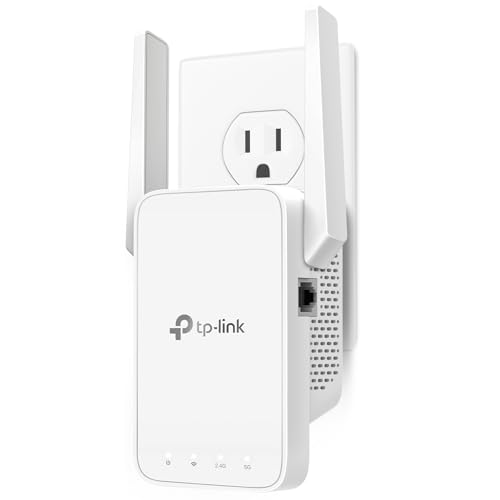
TP-Link AC1200 WiFi Extender (RE315)
A dual-band Wi-Fi extender that boosts coverage to hard-to-reach areas, easy to set up and use.
Pros
- Simple installation
- Works with any router
- Compact design
Cons
- Extenders can reduce bandwidth
- Not ideal for heavy gaming
The lineup, side by side
| # | Model | Coverage | Best for | Score | Price |
|---|---|---|---|---|---|
| 1 | TP-Link Deco XE75 | Up to 5,500 sq ft (3-pack) | Whole-home Wi-Fi 6E coverage | 9.4 | Check price |
| 2 | ASUS RT-AX88U | Wi-Fi 6 (AX6000) | Gamers and power users | 9.2 | Check price |
| 3 | NETGEAR Nighthawk RAXE500 | Wi-Fi 6E (AXE11000) | Ultra-fast speeds and future-proofing | 9.0 | Check price |
| 4 | TP-Link Archer AX21 | Wi-Fi 6 (AX1800) | Budget-friendly Wi-Fi 6 | 8.8 | Check price |
| 5 | NETGEAR 8-Port Gigabit Ethernet Unmanaged Switch (GS308) | 8 Gigabit Ethernet | Wired connections for multiple devices | 8.5 | Check price |
| 6 | Google Nest Wifi Pro | Wi-Fi 6E (AXE4200) | Seamless mesh for smart homes | 8.7 | Check price |
| 7 | TP-Link AC1200 WiFi Extender (RE315) | Wi-Fi 5 (AC1200) | Eliminating Wi-Fi dead zones | 8.2 | Check price |
What to look for
Common questions
What is Wi-Fi 6E and do I need it?
Wi-Fi 6E extends Wi-Fi 6 into the 6 GHz band, offering more bandwidth, lower latency, and less interference. It is beneficial if you have many devices or use high-bandwidth applications. However, it requires compatible devices to take full advantage.
How many devices can a router handle?
Modern routers can handle dozens of devices, but performance may degrade. Look for routers with MU-MIMO and OFDMA technologies to manage multiple devices efficiently.
What is the difference between a router and a mesh system?
A router is a single device that broadcasts Wi-Fi. A mesh system uses multiple nodes to create a unified network, providing better coverage and eliminating dead zones. Mesh is ideal for larger homes.
Do I need a separate router and modem?
Some internet providers offer a combined device. If you have a separate modem, you can connect a router. If you have a standalone router, you need a modem to connect to the internet. Many modern routers can work with a modem provided by your ISP.
What is a network switch and when would I use one?
A switch adds more Ethernet ports to your network. It is useful when you run out of ports on your router, allowing you to connect more wired devices like computers, smart TVs, or gaming consoles.
How do I improve my Wi-Fi signal?
Place your router centrally, elevate it, and avoid obstructions. You can also update firmware, change channels, or use a Wi-Fi extender. For persistent issues, consider a mesh system.
What is QoS and why is it important?
Quality of Service (QoS) lets you prioritize certain types of traffic, like gaming or video calls, ensuring they get bandwidth when the network is busy. It helps reduce lag and buffering.
Are expensive routers worth the money?
Expensive routers often offer better performance, range, and features. If you have a large home, many devices, or high-speed internet, they may be worth the investment. For basic needs, a budget router might suffice.
How often should I upgrade my router?
Typically every 3-5 years, or when you notice performance issues or new standards emerge. Upgrading can improve speed, range, and security.
Can I use an extender with a mesh system?
It’s not recommended because mesh systems are designed to work as a single network. Adding an extender can cause connectivity issues. Instead, add more mesh nodes if needed.
The bottom line
For most households, the TP-Link Deco XE75 offers the best combination of performance, coverage, and ease of use, making it a smart investment for reliable whole-home Wi-Fi. If you’re on a budget, the TP-Link Archer AX21 provides solid Wi-Fi 6 at an affordable price. Assess your space and needs to choose the right solution.