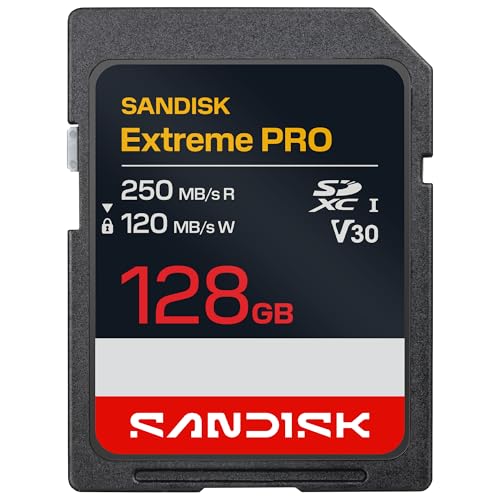
The MicroSD Cards With Real Speed for Cameras and Drones
For raw speed the SanDisk Extreme Pro leads with fast sustained writes, while the Samsung Pro Plus offers nearly the same performance for less. The Lexar Professional 1066x is the pick when you shoot long 4K clips or high frame rate action footage.
The quickest cards here are the SanDisk Extreme Pro, the Samsung Pro Plus, and the Lexar Professional 1066x. All three hold up during 4K recording and rapid photo bursts without dropping frames or stalling.
MicroSD speed is confusing because the biggest number on the label is the peak read speed, not the write speed that matters when recording. We looked at sustained write ratings, the U and V class marks, and how each card behaves under continuous load rather than one quick benchmark.
What we recommend

SanDisk Extreme Pro microSDXC UHS-I
This card pairs very high read speeds with strong sustained writes, which is what keeps 4K footage smooth. It carries the A2 mark for app performance and the V30 rating for steady video recording.
Pros
- Excellent sustained write performance
- Reliable during long 4K clips
- Includes an SD adapter
Cons
- Priced above budget cards
- Peak read speeds need a fast reader
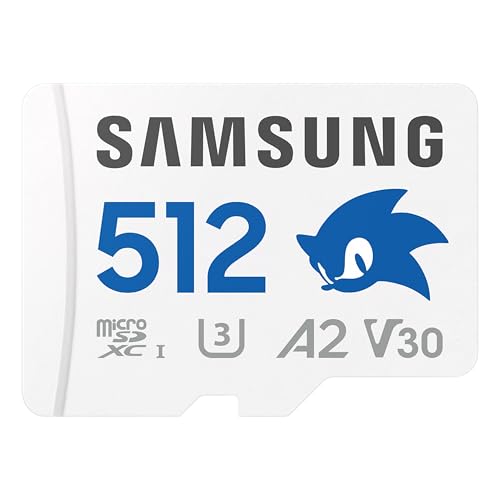
Samsung Pro Plus microSDXC
The Pro Plus delivers speeds close to premium cards while costing noticeably less. It handles 4K video and continuous shooting well and is rated for water, temperature, and drop resistance.
Pros
- Near flagship speed for less money
- Tough environmental protection
- Consistent write performance
Cons
- Slightly slower than the Extreme Pro
- Bundled adapter feels basic
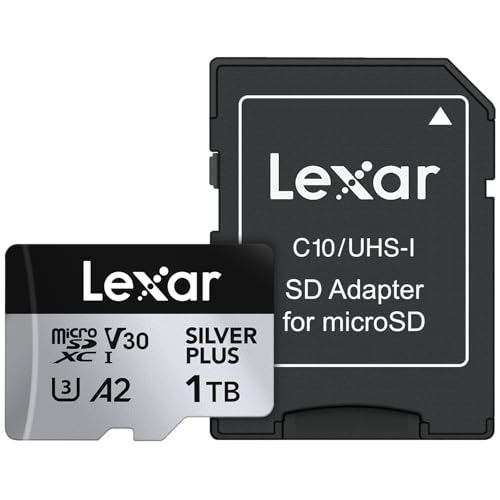
Lexar Professional 1066x microSDXC
Built for action cameras and drones, this card keeps a steady write stream during long high frame rate captures. The V30 rating means it can sustain the data flow that 4K and slow motion need.
Pros
- Stable writes for long recordings
- Good match for GoPro and drones
- Available in large capacities
Cons
- Read speed trails the top cards
- Fewer retail bundles

Samsung Pro Ultimate microSDXC
The Pro Ultimate leans on durability and consistent speed, making it a safe choice for footage you cannot reshoot. It reads quickly and holds a solid write pace across long sessions.
Pros
- Strong protection against the elements
- High read speed
- Dependable in tough conditions
Cons
- Costs more than the Pro Plus
- Overkill for casual phone use

Kingston Canvas Go Plus microSDXC
Kingston aims this card at drones and action cameras, and it handles 4K capture without dropping the stream. The A2 rating also helps when the card is used inside a tablet or handheld.
Pros
- Reliable for drone footage
- Good read speed
- Wide capacity range
Cons
- Lower rated write ceiling
- Not the fastest for burst photos
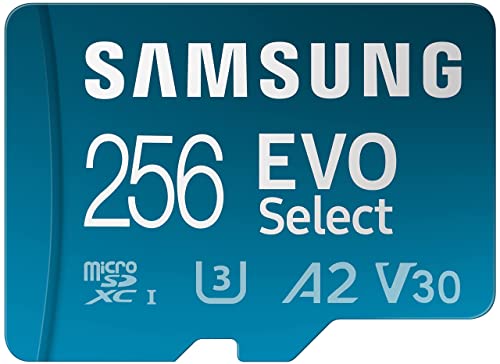
Samsung EVO Select microSDXC
The EVO Select is the everyday card that covers phones, tablets, and casual 4K recording without a big outlay. It is not the quickest here, but it clears the V30 bar for smooth video.
Pros
- Very affordable
- Handles most 4K recording
- Trusted everyday reliability
Cons
- Write speed not published clearly
- Not suited to heavy pro use

SanDisk Extreme microSDXC UHS-I
A step below the Extreme Pro, this card still holds a steady write pace for 4K and rapid shooting at a friendlier price. The A2 mark keeps apps responsive when it lives in a device.
Pros
- Solid 4K performance for the price
- High read speed
- Widely available
Cons
- Lower write ceiling than the Pro
- Sustained writes trail flagships
Before you buy
Why write speed matters most The large number printed on a microSD card is almost always the peak read speed, which affects how fast you copy files off the card. When recording video or shooting bursts, the write speed is what counts, and a card with a fast read speed can still stall if its sustained write pace is low.
Reading the class marks Look for the U3 mark and the V30 mark, which guarantee a minimum sustained write of thirty megabytes per second, enough for 4K. The A2 mark helps only when the card runs apps inside a phone or tablet and does not affect camera recording.
Matching the card to your device A fast card is limited by the device it sits in. A phone or older action camera may not reach a card’s full speed, so pairing a flagship card with basic hardware wastes money. Check what speed class your camera or drone actually supports before buying.
Capacity and longevity Larger cards let you record longer without swapping, but they also mean more footage at risk if a single card fails. For important shoots, several mid size cards can be safer than one very large card, and any card slows as it nears full.
How they stack up
| # | Model | Read speed | Best for | Score | Price |
|---|---|---|---|---|---|
| 1 | SanDisk Extreme Pro microSDXC UHS-I | Up to 200 MB per second | Best overall | 9.4 | Check price |
| 2 | Samsung Pro Plus microSDXC | Up to 180 MB per second | Best value | 9.2 | Check price |
| 3 | Lexar Professional 1066x microSDXC | Up to 160 MB per second | Best for action cameras | 9.0 | Check price |
| 4 | Samsung Pro Ultimate microSDXC | Up to 200 MB per second | Best for reliability | 8.9 | Check price |
| 5 | Kingston Canvas Go Plus microSDXC | Up to 170 MB per second | Best for drones | 8.6 | Check price |
| 6 | Samsung EVO Select microSDXC | Up to 160 MB per second | Best budget | 8.3 | Check price |
| 7 | SanDisk Extreme microSDXC UHS-I | Up to 190 MB per second | Best for 4K video | 8.1 | Check price |
Common questions
What speed do I need for 4K video?
A card rated V30 sustains at least thirty megabytes per second of writing, which covers most 4K recording. For high bitrate or high frame rate 4K, a V30 card with strong real write speed like the Extreme Pro is the safer choice.
Does a higher read speed mean faster recording?
No. Read speed affects copying files to a computer. Recording depends on sustained write speed, so two cards with the same read rating can perform very differently while filming.
What is the difference between U3 and V30?
Both promise a minimum sustained write of thirty megabytes per second. U3 is the older UHS mark and V30 is the video speed mark, and most quality cards carry both.
Will these cards work in my phone?
Yes, any microSD slot accepts these cards, but your phone may cap the top speed. The A2 rating on these cards also helps apps run more smoothly from the card.
Are bigger capacity cards slower?
Capacity does not set speed on its own, but any card slows as it fills up. Buying a size that leaves headroom keeps performance steady during long sessions.
Do I need the SD adapter?
The adapter lets a microSD card fit a full size SD slot in many cameras and readers. Most of these cards include one, so check before assuming your camera takes microSD directly.
How long do microSD cards last?
Quality cards are rated for years of normal use and often carry long warranties. Heavy continuous recording wears them faster, so keep backups of anything important.
Can I use these in a security camera?
You can, but continuous recording cameras benefit from cards designed for endurance. These speed focused cards work, though a high endurance card lasts longer under constant writing.
The verdict
For most people the SanDisk Extreme Pro is the safest fast card, with sustained writes that keep 4K and burst shooting smooth. If you want nearly the same speed for less, the Samsung Pro Plus is the smarter buy, and the Lexar Professional 1066x earns its place for long action and drone footage.