Budget Horse Health Supplies Worth Keeping Stocked
Absorbine Veterinary Liniment Gel is the most useful low cost item in any tack room, followed by Corona Multi-Purpose Ointment for skin and hoof care. Horse Health Red Cell rounds out the trio as an affordable vitamin and iron supplement for horses in regular work.
If you are stocking a barn kit on a budget, start with Absorbine Veterinary Liniment Gel, Corona Multi-Purpose Ointment and Horse Health Red Cell. Those three cover sore muscles, minor skin and hoof issues, and general vitamin support without draining the feed budget.
Horse health shopping gets expensive fast because every listing promises something and container sizes are rarely comparable. We compared label ingredients, container volumes, published directions and what owners report reaching for most often, then focused on long standing products that stay affordable per use. None of this replaces your veterinarian, and anything beyond routine care should go through them first.
Before you buy
Buy size, not shelf price The cheapest bottle on the shelf is rarely the cheapest product to use. Liniments, fly sprays and liquid supplements almost always drop sharply in cost per ounce when you step up to the gallon or refill size. The exception is anything with a short shelf life or a product you are trying for the first time, where a small container avoids waste. Check the expiry date before committing to a big container, especially with supplements that sit through a quiet winter.
What belongs in a basic barn kit A workable low cost kit covers four categories: something for muscle and leg care, something for minor skin and wound issues, insect control in season, and a general nutritional supplement if the diet needs it. Add a thermometer, clean bandage material and a hoof pick, none of which cost much. Beyond that, resist stocking specialised products until a specific need appears, because most of them expire before the second use.
When to stop shopping and call the vet Budget supplies are for routine maintenance and minor issues only. Deep wounds, anything near a joint or eye, persistent lameness, colic signs, fever, or a wound that is not improving all need professional attention rather than another product from the shelf. Owners consistently report that delaying a call to save money ends up costing more. Keep your vet’s number on the tack room wall and know the nearest emergency clinic.
Reading labels and directions properly Follow the label rate rather than estimating. Supplements are dosed by body weight, and a horse’s actual weight is often different from the guess, so a weight tape is a cheap accuracy upgrade. Check whether a product is intended for intact skin only, since many liniments and sprays explicitly warn against use on open wounds. Storage matters too, as heat in an uninsulated tack room degrades some products well before the printed expiry date.
The shortlist, ranked
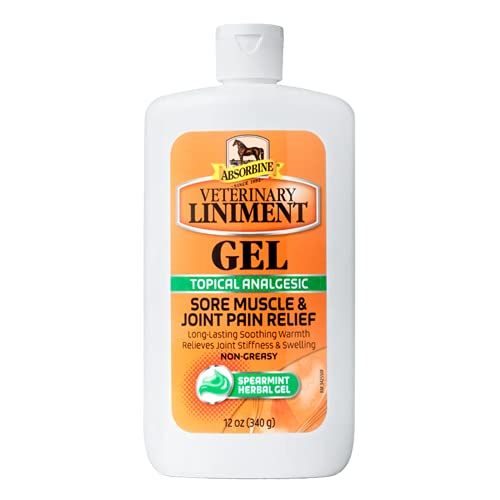
Absorbine Veterinary Liniment Gel
Absorbine has been in tack rooms for well over a century, and the gel version stays where you put it instead of running down the leg like the liquid. Owners use it for routine leg bracing after work and for general muscle soreness. A single bottle lasts a long time because you only need a thin layer.
Pros
- Stays in place better than liquid liniment
- Long history and consistent formula
- Low cost per application
Cons
- Strong menthol scent lingers
- Not for use on broken skin

Corona Multi-Purpose Ointment
This lanolin based ointment covers a wide range of routine skin and hoof jobs, from dry heels to chapped areas under tack. Because it is thick and water repellent, it stays put through turnout better than thin creams. The large tub size is what makes it genuinely economical compared with small tubes sold for the same purpose.
Pros
- One product covers several routine jobs
- Large tub keeps cost per use very low
- Water repellent through turnout
Cons
- Greasy and attracts dust and shavings
- Thick texture is awkward in cold weather

Horse Health Red Cell
Red Cell is a long running vitamin, iron and mineral supplement fed to horses in work or those needing general condition support. The gallon size brings the daily cost down to very little compared with buckets of powdered supplements. Talk to your vet before adding iron to a diet, since not every horse needs supplementation.
Pros
- Very low cost per daily serving in gallon size
- Palatable for most horses over feed
- Long established formula
Cons
- Iron supplementation is not right for every horse
- Stains hands, buckets and clothing

Farnam Wonder Dust Wound Care Powder
Wonder Dust is the powder most barns keep for minor scrapes and to help dry superficial surface wounds. It is inexpensive, and one shaker container lasts through many small incidents. Anything deep, bleeding heavily or near a joint needs a veterinarian rather than a powder.
Pros
- Very inexpensive per use
- Compact shaker suits a travel kit
- Long shelf life when kept dry
Cons
- Only appropriate for superficial wounds
- Powder blows about in wind

Farnam Endure Sweat-Resistant Fly Spray
Fly control is a health issue as much as a comfort one, and Endure is formulated to keep working after a horse sweats. Owners report needing fewer reapplications than with cheaper water based sprays, which is what makes it economical despite a higher shelf price. Always follow label directions on application rate and avoid the eyes.
Pros
- Fewer reapplications through hot weather
- Gallon refill lowers cost per season
- Covers a broad range of biting insects
Cons
- Higher upfront cost than basic sprays
- Strong odour some horses dislike

Manna Pro Sho-Hoof Supplement
Sho-Hoof is a pelleted biotin and amino acid supplement aimed at horses with brittle or crumbling hoof walls. Hoof supplements work slowly because they only affect new growth, so plan on months rather than weeks before judging results. The pellet form is easier to feed than powders that sift to the bottom of the bucket.
Pros
- Pellets mix into feed without sifting
- Reasonable cost per day
- Targets the nutrients tied to hoof growth
Cons
- Results take several months to appear
- Not a substitute for regular farrier work

Durvet Ivermectin Paste 1.87%
Ivermectin paste is one of the cheapest routine health items in the barn, and Durvet’s tube is dosed by body weight with a marked plunger. Modern parasite advice favours faecal egg count testing rather than blanket calendar deworming, so ask your vet what schedule suits your pasture and your horse. Buying single tubes as needed avoids waste from expiry.
Pros
- Very low cost per treatment
- Clear weight markings on the plunger
- Widely available and easy to store
Cons
- Should follow vet guided testing, not a calendar
- Some horses resist paste dosing
Side by side
| # | Model | Form | Best for | Score | Price |
|---|---|---|---|---|---|
| 1 | Absorbine Veterinary Liniment Gel | Gel | Best overall | 9.4 | Check price |
| 2 | Corona Multi-Purpose Ointment | Lanolin rich ointment | Best value | 9.2 | Check price |
| 3 | Horse Health Red Cell | Liquid, top dressed on feed | Best budget supplement | 9.0 | Check price |
| 4 | Farnam Wonder Dust Wound Care Powder | Shaker powder | Best for minor wound care | 8.8 | Check price |
| 5 | Farnam Endure Sweat-Resistant Fly Spray | Ready to use spray | Best for fly season | 8.6 | Check price |
| 6 | Manna Pro Sho-Hoof Supplement | Pellets | Best for hoof quality | 8.3 | Check price |
| 7 | Durvet Ivermectin Paste 1.87% | Ivermectin 1.87 percent | Best for routine deworming | 8.0 | Check price |
Questions worth asking
What are the essentials for a first barn kit?
A liniment for muscles and legs, an all purpose ointment for skin and heels, a wound powder for superficial scrapes, fly spray in season, a digital thermometer and clean bandaging material. That covers most day to day needs without a large outlay.
Are cheaper supplements as effective as premium ones?
Sometimes. Compare the guaranteed analysis on the label rather than the marketing, because a low priced product with the same active levels does the same job. What premium brands often buy you is better palatability and more consistent pelleting rather than different nutrients.
How long do horse health products stay usable?
Most have a printed expiry, typically one to three years from manufacture. Heat shortens that considerably, so a tack room that bakes in summer will degrade products early. Buy the size you will realistically finish within the season.
Do hoof supplements actually work?
They only affect new hoof growth, so any change appears at the coronet band and grows down over many months. Owners report the clearest results in horses whose diets were genuinely short on biotin or protein. They do not replace regular farrier visits or fix an existing crack.
Should I deworm on a fixed schedule?
Current guidance leans toward testing rather than blanket calendar dosing, because routine treatment of every horse encourages resistance. A faecal egg count tells you which horses actually need treating. Ask your veterinarian to build a plan for your pasture and stocking density.
Can I use human products on a horse?
Some are chemically similar, but dosing, concentration and skin sensitivity differ enough that it is not worth guessing. Products labelled for equine use carry directions calculated for a horse’s body weight. Ask your vet before substituting anything.
How do I stop fly spray from washing off?
Choose a formula that states sweat resistance, apply to a clean dry coat, and use a cloth for the face rather than spraying near the eyes. Reapplying a light coat after heavy rain or a bath is normal, and stabling during peak insect hours reduces how much you need.
Is it cheaper to buy in bulk?
Usually, provided you will finish the container before it expires and can store it out of heat and direct sun. Gallon sizes of liniment, fly spray and liquid supplements typically cut the per use cost substantially compared with quart bottles.
Our pick
A capable barn kit built around Absorbine Veterinary Liniment Gel, Corona Multi-Purpose Ointment and Horse Health Red Cell covers the everyday jobs for very little money. Add Wonder Dust and a sweat resistant fly spray in season, and buy the larger container sizes wherever you will realistically use them before expiry. For anything beyond routine care, call your veterinarian rather than adding another jar to the shelf.


