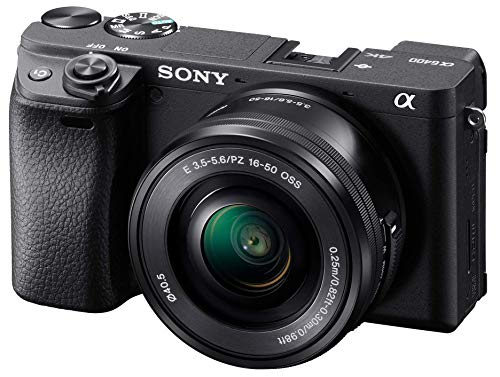
Locking Focus on Fast Play at the Soccer Pitch
The Sony Alpha 9 III leads for soccer with its global shutter, 120 frame per second burst and tenacious tracking. The Canon EOS R6 Mark II is the value pick at 40 frames per second, and the Sony Alpha a6700 delivers sports tracking on a crop sensor budget.
For freezing the action on a soccer pitch, the Sony Alpha 9 III is the standout, with the Canon EOS R6 Mark II offering the best value at high speed and the Sony Alpha a6700 bringing serious sports tracking to a crop sensor budget.
Soccer is one of the hardest subjects because players sprint, change direction and cluster together, all while you are often shooting from a distance and sometimes under dim floodlights. Burst speed to catch the decisive contact with the ball, and tracking autofocus that stays locked on your chosen player, matter more than anything else. We compared burst rates, buffer depth, tracking behaviour and low light ability to rank these seven for the game.
What we recommend

Sony Alpha 9 III
The a9 III is built for exactly this, using a global shutter that reads the whole frame at once so a struck ball or a sprinting player shows no rolling shutter distortion. It sustains 120 frames per second with full tracking, so the exact instant of contact is always among your frames. Subject tracking holds a chosen player through crowded midfield scrambles, making it the most complete sports body here.
Pros
- No rolling shutter distortion on fast motion
- Extreme burst captures the decisive moment
- Tenacious tracking in crowded play
Cons
- Very high price
- Huge burst volumes need fast storage

Canon EOS R6 Mark II
The R6 Mark II delivers most of what a sports shooter needs at a far more reachable price, with 40 frames per second electronic bursts and excellent human tracking. Its 24 megapixel sensor keeps files manageable and performs strongly under floodlights, where low light matters for evening fixtures. It is the sensible choice for a keen amateur photographing weekend soccer without a professional budget.
Pros
- Fast burst at a fair price
- Strong low light for evening games
- Reliable player tracking
Cons
- Lower resolution limits heavy cropping
- Buffer fills on very long bursts
Sony Alpha a6700
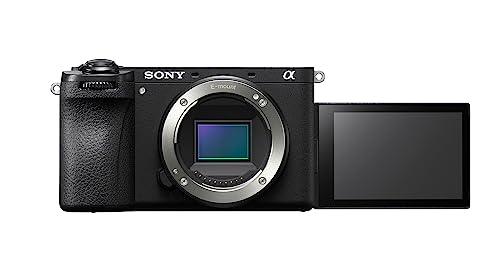
The a6700 brings Sony’s AI tracking to an affordable crop body, and its APS-C sensor multiplies your reach along the touchline so a moderate telephoto fills the frame from the sideline. Human recognition holds a running player well, and the compact size makes it easy to carry to a match. It cannot match the full frame bodies under floodlights, but for daytime soccer on a budget it is excellent.
Pros
- Crop sensor adds reach from the touchline
- Capable AI player tracking
- Compact and affordable
Cons
- Slower burst than the full frame bodies
- Weaker low light for night matches

Nikon Z8
The Z8 blends a 45 megapixel stacked sensor with fast readout and a deep buffer, so you get both sports speed and the resolution to crop tightly into a distant goalmouth. Subject detection tracks players reliably, and pre capture buffering records frames before you fully press the shutter, rescuing the moment a shot is struck. It is heavier and pricier but doubles as a serious all round camera.
Pros
- High resolution allows tight cropping
- Pre capture buffer catches the strike
- Deep buffer for sustained action
Cons
- Large files demand fast storage
- Heavier than the value bodies

Canon EOS R7
The R7 gives budget minded soccer shooters both speed and reach, with 30 frames per second and an APS-C sensor that stretches the effective range of an affordable telephoto. Human tracking keeps a running player in focus, and the compact body is easy to handle for a full match. Low light under floodlights is the main compromise against the full frame options, but daytime reach per dollar is strong.
Pros
- Crop sensor stretches telephoto reach
- Fast burst for the price
- Compact for a full match
Cons
- Weaker low light than full frame
- Buffer fills faster on long runs

Nikon Z9
The Z9 is the integrated grip flagship for photographers shooting full tournament days, with outstanding battery life and a rugged sealed body that keeps going through weather and long fixtures. Its 45 megapixel stacked sensor and deep buffer hold pace with relentless action, and subject detection tracks players tenaciously. The size and weight are the trade for endurance and dependability across a long day at the pitch.
Pros
- Exceptional battery life for long days
- Very rugged sealed construction
- Deep buffer for sustained bursts
Cons
- Large and heavy with the integrated grip
- Expensive for casual use
Fujifilm X-H2S
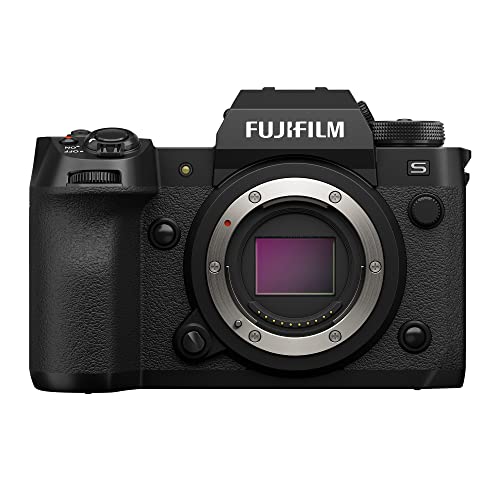
The X-H2S puts a stacked APS-C sensor in a substantial sports oriented body, delivering 40 frames per second with low rolling shutter and a deep buffer. Subject detection tracks players well, and the crop sensor adds reach from the sideline. A robust grip and good weather sealing suit demanding conditions, making it a strong crop alternative to the full frame speed bodies at a lower price.
Pros
- Fast burst with low rolling shutter
- Crop sensor adds touchline reach
- Robust grip and weather sealing
Cons
- Weaker low light than full frame
- Battery drains quickly at high frame rates
How they compare
| # | Model | Sensor | Best for | Score | Price |
|---|---|---|---|---|---|
| 1 | Sony Alpha 9 III | 24 megapixel global shutter full frame | Best overall | 9.5 | Check price |
| 2 | Canon EOS R6 Mark II | 24 megapixel full frame | Best value | 9.2 | Check price |
| 3 | Sony Alpha a6700 | 26 megapixel APS-C | Best value crop sensor | 8.9 | Check price |
| 4 | Nikon Z8 | 45 megapixel stacked full frame | Best for resolution and speed | 9.3 | Check price |
| 5 | Canon EOS R7 | 33 megapixel APS-C | Best budget reach | 8.7 | Check price |
| 6 | Nikon Z9 | 45 megapixel stacked full frame | Best professional workhorse | 9.1 | Check price |
| 7 | Fujifilm X-H2S | 26 megapixel stacked APS-C | Best crop sensor for burst | 8.8 | Check price |
How to pick the right one
Burst speed catches the decisive contact The moment a foot meets the ball or a header connects lasts a fraction of a second, so faster burst rates give you more frames to find the one that tells the story. Rates from 20 frames per second upward make a real difference in soccer. Pair a high frame rate with a deep buffer so the camera does not stall during a long passage of play.
Tracking autofocus must hold a running player Players sprint, cut and cluster together, so autofocus that recognises a person and stays locked on your chosen player through a crowded box is what separates sharp frames from missed ones. Human detection modes have made this far more reliable. Weigh how tenaciously a camera holds a moving subject above almost every other specification.
Reach and low light for the real conditions From the touchline you are often far from the action, so reach matters. Crop sensor bodies multiply the range of an affordable telephoto, while full frame needs longer glass to fill the frame from the same spot. Evening and floodlit matches also demand good high ISO performance, where full frame sensors pull ahead of crop bodies.
Rolling shutter and stacked sensors Conventional sensors can bend fast motion, skewing a struck ball or a quick pan. Stacked and global shutter sensors read out far faster, keeping shapes true even at high frame rates and removing viewfinder blackout during bursts. For fast, unpredictable sport this is a genuine advantage that helps you stay with the play.
Common questions
How much burst speed do I need for soccer?
Around 20 frames per second and up gives a strong chance of catching the exact contact with the ball. Higher rates help further but fill cards quickly, so balance speed against buffer depth and storage.
Is a crop sensor good for soccer?
Yes, especially on a budget, because it stretches the reach of an affordable telephoto so you can fill the frame from the touchline. The trade is weaker performance under floodlights compared with full frame.
What lens should I use for soccer?
A telephoto zoom around 70 to 200mm suits smaller pitches, while a 100 to 400mm reaches across a full sized field. On a crop body a shorter lens already behaves like something considerably longer.
Can these cameras handle night matches?
Full frame bodies like the R6 Mark II and a9 III excel under floodlights thanks to cleaner high ISO. Crop bodies still work but benefit from a fast lens to keep shutter speeds high in dimmer light.
How important is tracking autofocus?
It is critical. A camera that recognises and holds a running player automatically produces far more sharp frames than one where you chase focus manually across a fast moving pitch.
Does rolling shutter matter for sports?
It can bend a struck ball or skew a fast pan on conventional sensors. Stacked and global shutter bodies remove this, which is why they are favoured for the fastest action.
Do I need pre capture buffering?
It is a valuable feature for sport, recording frames from just before you fully press the shutter so you rarely miss the strike. It complements good tracking rather than replacing it.
Which camera is best value for weekend soccer?
The Canon EOS R6 Mark II offers fast burst and strong low light at a fair price, while the Sony Alpha a6700 and Canon EOS R7 bring sports tracking and reach on a tighter crop sensor budget.
Our take
The Sony Alpha 9 III is the most capable soccer camera here, combining a global shutter that renders fast motion without distortion, a 120 frame per second burst and tracking that holds a player through crowded play. The Canon EOS R6 Mark II is the value pick with fast bursts and strong floodlight performance, while the Sony Alpha a6700 and Canon EOS R7 bring sports tracking and extra touchline reach to a crop sensor budget. Photographers who need both speed and cropping room should look at the high resolution Nikon Z8.