Street Cameras That Stay Quiet and Focus Fast
The Ricoh GR III is our top street camera overall thanks to its pocket size, snap focus and large APS-C sensor. The Fujifilm X100VI leads for image quality and viewfinder shooting, while the Sony a6400 is the better value for fast tracking autofocus in a small body.
For candid street work the Ricoh GR III is the safest pick because it disappears into a pocket and shoots from the hip with snap focus, with the Fujifilm X100VI close behind for anyone who wants a viewfinder and the Sony a6400 leading on value. Each of the seven cameras below trades size, speed or reach in a different way.
Street photography is tricky because the best camera is the one small enough that you actually carry it and quiet enough that nobody notices. We compared sensor size, published autofocus systems, shutter sound, viewfinder options and body weight, then weighed what owners report about handling and battery life to rank the list.
How to choose
Size decides whether you actually carry it The best street camera is the one small enough to live in your pocket or hang unnoticed on your shoulder. A body you leave at home because it is heavy loses every time to the phone in your pocket. Weigh the camera with a lens attached, since a small body with a large zoom defeats the purpose.
Autofocus and snap focus both work for candids There are two winning approaches on the street. Fast tracking autofocus, as on the Sony a6400, lets you lock a moving subject the moment you raise the camera. Snap focus, as on the Ricoh GR III, presets a distance so the camera fires instantly with no hunting. Pick the workflow that suits how you shoot.
Quiet operation keeps you invisible A loud shutter is the fastest way to break a candid moment. Leaf shutter cameras like the Fujifilm X100VI and electronic shutter modes on the mirrorless bodies here let you work close to people without a giveaway clack. If you shoot strangers up close, treat shutter noise as a real specification.
A fast prime beats a slow zoom after dark Street scenes often happen in shade, doorways and evening light. A prime lens at f2 or wider gathers far more light than a kit zoom, which keeps your ISO down and your shutter fast enough to freeze a passing stride. Most cameras here reach their potential only when paired with a bright prime.
What we recommend

Ricoh GR III
The GR III fits an APS-C sensor behind a fixed 28mm equivalent lens in a body that genuinely vanishes into a front pocket. The snap focus system lets you preset a distance and shoot instantly without the camera hunting, which is exactly what candid street work needs. Owners report it is the camera they carry every single day because it never feels like a burden.
Pros
- Largest sensor in a genuine pocket body
- Snap focus is superb for candid shots
- Silent operation draws no attention
Cons
- No built in viewfinder
- Short battery life and known sensor dust complaints

Fujifilm X100VI
The X100VI pairs a 40MP APS-C sensor with a fixed 35mm equivalent lens and a hybrid optical and electronic viewfinder that street shooters love. Its leaf shutter is almost silent, so you can work close to people without a loud clack giving you away. Film simulations mean many owners share images straight from the card with no editing.
Pros
- Outstanding detail and film simulation colour
- Near silent leaf shutter for close work
- Hybrid viewfinder is unique at this size
Cons
- Larger than a true pocket camera
- Stock is frequently hard to find
Sony a6400
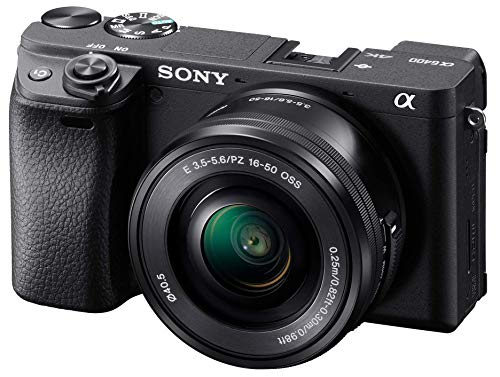
The a6400 brings Sony’s real time tracking and eye autofocus to a compact APS-C body that pairs well with a small pancake lens for street use. It reacts fast enough to catch fleeting moments that slower cameras miss, and the tilting screen helps with low or waist level framing. Owners report it is the value pick when you want speed without full frame bulk.
Pros
- Class leading subject tracking for the price
- Small enough with a pancake lens
- Tilting screen for discreet framing
Cons
- Menus are dense for newcomers
- No in body stabilisation

Fujifilm X-E4
The X-E4 puts a 26MP APS-C sensor in a flat rangefinder style body that sits flush against a bag or coat. With a slim pancake lens it is one of the least intimidating interchangeable lens cameras for shooting strangers up close. Owners report the minimalist controls keep you focused on the scene rather than the menus.
Pros
- Flat rangefinder shape is very discreet
- Excellent Fujifilm colour and film simulations
- Corner viewfinder keeps you out of the scene
Cons
- No in body stabilisation
- Minimal grip needs a thumb rest for security

Sony RX100 VII
The RX100 VII hides a 200mm equivalent zoom, a pop up viewfinder and Sony’s tracking autofocus in a body the size of a deck of cards. The reach lets you grab candid frames from across a street without stepping into someone’s space. The trade off is a slower lens at the long end that prefers daylight.
Pros
- Long zoom in a genuinely pocket body
- Pop up viewfinder for bright sun
- Fast, reliable subject tracking
Cons
- Smaller sensor than the APS-C rivals
- Slow lens beyond the mid zoom

Nikon Z fc
The Z fc wraps a 20.9MP APS-C sensor in a retro body with dedicated dials that many street shooters find faster than menu diving. The classic look is unassuming enough that people rarely read it as a serious camera. Owners report the fully articulating screen is handy for low angle candid frames.
Pros
- Tactile dials speed up exposure changes
- Retro styling is disarming on the street
- Fully articulating screen for odd angles
Cons
- No in body stabilisation
- Small native prime selection
Panasonic Lumix GX9
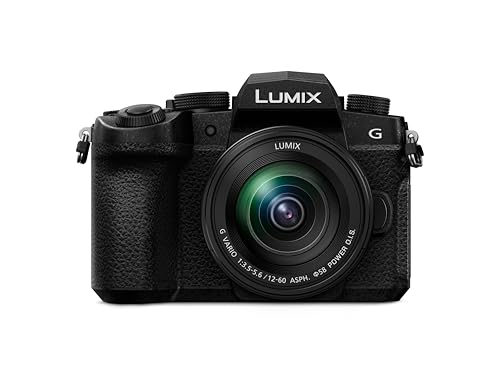
The GX9 is a Micro Four Thirds body with a tilting corner viewfinder and in body stabilisation that keeps costs down without giving up handling. The smaller sensor means it is happiest in decent light, but the huge choice of tiny primes makes it an easy carry. Owners report it is a sensible starter for street shooters on a budget.
Pros
- In body stabilisation at a low price
- Corner viewfinder plus tilting rear screen
- Access to many small, cheap primes
Cons
- Smaller sensor limits low light reach
- Older autofocus trails the Sony bodies
How they compare
| # | Model | Sensor | Best for | Score | Price |
|---|---|---|---|---|---|
| 1 | Ricoh GR III | APS-C CMOS, 24.2MP | Best overall | 9.4 | Check price |
| 2 | Fujifilm X100VI | APS-C X-Trans, 40.2MP | Best for image quality | 9.2 | Check price |
| 3 | Sony a6400 | APS-C CMOS, 24.2MP | Best value | 9.0 | Check price |
| 4 | Fujifilm X-E4 | APS-C X-Trans, 26.1MP | Best for discreet rangefinder style | 8.8 | Check price |
| 5 | Sony RX100 VII | 1 inch stacked CMOS, 20.1MP | Best compact zoom | 8.5 | Check price |
| 6 | Nikon Z fc | APS-C CMOS, 20.9MP | Best for retro handling | 8.2 | Check price |
| 7 | Panasonic Lumix GX9 | Micro Four Thirds, 20.3MP | Best budget option | 8.0 | Check price |
Common questions
What focal length is best for street photography?
A 28mm to 35mm equivalent is the classic street range because it captures the subject and enough surroundings to tell a story. The Ricoh GR III at 28mm and the Fujifilm X100VI at 35mm both sit in this sweet spot.
Do I need a full frame camera for street work?
No. APS-C bodies like the Ricoh GR III and Sony a6400 are smaller, cheaper and quieter, which matters more on the street than the last stop of low light performance a full frame sensor would add.
How important is a silent shutter?
Very, if you shoot close to people. A leaf shutter or an electronic shutter mode lets you fire without the clack that ends a candid moment. The Fujifilm X100VI is the standout here for near silent operation.
Which of these is easiest to carry all day?
The Ricoh GR III is the lightest and truly pocketable at around 257g. The Sony RX100 VII is the next most portable while adding a long zoom and a viewfinder.
Is snap focus better than autofocus for candids?
It depends on your style. Snap focus preset distance means zero focus lag, which suits shooting from the hip. Fast tracking autofocus suits raising the camera to your eye for moving subjects. Both are valid on the street.
Do these cameras shoot RAW?
Yes, all seven capture RAW files, which gives you room to recover shadows and adjust white balance later. That matters on the street where light changes quickly between sun and shade.
Can I use these for travel as well as street?
Absolutely. The same discreet size that helps on the street makes these easy travel companions. The Sony RX100 VII and Panasonic Lumix GX9 add zoom flexibility for sightseeing.
Do I need a viewfinder for street photography?
It helps in bright sun where rear screens wash out, and it steadies the camera against your face. The Fujifilm X100VI, Sony RX100 VII, Nikon Z fc and Panasonic GX9 all include one, while the Ricoh GR III relies on the rear screen.
The verdict
The Ricoh GR III is the street camera we would hand most people because its pocket size, snap focus and large sensor remove every excuse not to shoot. Choose the Fujifilm X100VI if you want a near silent shutter and a proper viewfinder, or the Sony a6400 if fast tracking autofocus in a small body matters most. For daytime reach on a budget, the Panasonic Lumix GX9 still earns its place.


