Which Camp Mug Keeps Coffee Hottest at the Campsite?
Stanley’s Classic Vacuum Mug holds heat longest for slow camp mornings, thanks to its double wall vacuum build. GSI Outdoors’ Glacier Stainless Camp Cup packs lightest for backpacking trips. YETI’s Rambler 14oz Mug suits car camping, where durability matters more than pack weight.
Stanley’s Classic Vacuum Mug leads this lineup for camp mornings where coffee needs to stay hot for hours. Its double wall vacuum insulation beats every single wall cup here on heat retention. Backpackers counting ounces should look instead at the GSI Outdoors Glacier Stainless Camp Cup, which trades insulation for minimal weight.
Camp mugs split into two real categories: vacuum insulated mugs built to hold heat, and single wall or collapsible cups built to save weight. Picking the wrong category for a trip ruins the experience, whether that means lukewarm coffee or a mug that never fits in a pack. We compared insulation claims against owner reports of real retention time, matched packed dimensions to common cook kits, and weighed lid designs for spill resistance on the move.
The best picks, ranked

Stanley Classic Vacuum Mug 16oz
Double wall vacuum insulation keeps coffee hot for several hours around a slow camp fire. Stainless steel construction and a welded base resist denting after drops onto rock. Owners report the screw on lid seals tight enough to pack without leaking onto other gear.
Pros
- Retains heat for hours, not minutes
- Rugged build survives repeated drops
- Screw on lid resists leaks in a pack
Cons
- Heavier than uninsulated camp cups
- Bulkier profile takes more pack space

GSI Outdoors Glacier Stainless Camp Cup
Single wall stainless construction keeps this cup light for backpackers counting every ounce. Folding wire handles let it nest inside a cook pot to save space. Unlike vacuum mugs, it can go straight onto a camp stove for reheating.
Pros
- Very light for multi day backpacking
- Nests inside cook pots to save pack space
- Handles direct stove heat for reheating
Cons
- No insulation, so drinks cool quickly
- Wire handles get hot over an open flame

YETI Rambler 14oz Mug
Thicker stainless walls and a powder coat finish hold up to years of tailgate and car camping abuse. A MagSlider lid keeps the opening covered while driving between campsites. Many owners keep it as their everyday mug at home, not just for trips.
Pros
- Durable powder coat finish resists wear
- Sliding lid limits spills while driving
- Doubles easily as an everyday home mug
Cons
- Heavier and bulkier than backpacking cups
- Costs more than a basic camp mug

Sea to Summit X-Mug Collapsible Mug
Food grade silicone walls fold flat to a fraction of the mug’s full height. A hard plastic base keeps it stable on uneven picnic tables. Minimalist packers favor how little room it takes once collapsed.
Pros
- Collapses flat for compact storage
- Stable base sits well on uneven ground
- Lightweight relative to its capacity
Cons
- No heat retention like vacuum insulated mugs
- Silicone can pick up odors over time
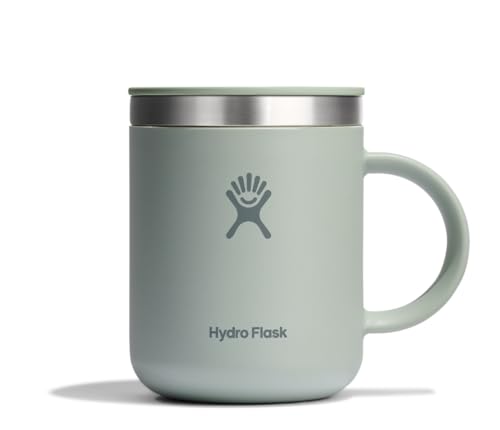
Hydro Flask Coffee Mug 12oz
Vacuum insulation keeps drinks hot through hiking breaks, and a press in lid seals tighter than open top camp mugs. A narrow base fits standard vehicle cup holders for the drive to the trailhead. Some owners use it as a hybrid between a car mug and a trail companion.
Pros
- Sealed lid resists spills better than open mugs
- Fits standard vehicle cup holders
- Strong heat retention for its size
Cons
- Smaller capacity than dedicated camp mugs
- Lid gasket needs occasional cleaning

Snow Peak Titanium Single Cup
Titanium construction shaves weight below comparable stainless cups, a priority for thru hikers minimizing every ounce. It sits directly over a stove flame without warping. Most owners accept the higher price as a tradeoff for the lowest weight here.
Pros
- Extremely lightweight titanium build
- Handles direct stove heat without warping
- Compact size fits easily in a pack
Cons
- Premium price for the material
- No insulation, so contents cool fast

Coleman Enamel Camp Mug
Enamel coated steel keeps a retro camp look while staying cheap enough to replace if lost or dented. It handles direct stove contact for reheating coffee at the fire. Group campers like the nostalgic look for a mug that might get borrowed or misplaced.
Pros
- Low cost and easy to replace if lost
- Classic look suits group camp settings
- Handles direct stove heat for reheating
Cons
- Enamel can chip with rough handling
- No insulation for heat retention
Before you buy
What to look for in a camp mug Insulation is the first decision. Vacuum insulated mugs add weight and bulk that ultralight backpackers try to avoid, but they keep drinks hot far longer. Capacity between 12 and 16 ounces suits most coffee or soup servings without becoming unwieldy. Lid design decides whether a mug can ride inside a pack without leaking onto other gear.
Backpacking mugs vs car camping mugs Backpackers benefit most from single wall stainless or titanium cups that nest inside cookware and shed ounces wherever possible. Car campers face no real weight limit, so a heavier vacuum insulated mug that holds heat for hours makes morning coffee noticeably better. Matching mug type to trip style matters more than any single spec on the label.
Materials: stainless steel, titanium, enamel and silicone Stainless steel balances durability and cost well for most campers. Titanium cuts weight further at a higher price, appealing mainly to ounce counting thru hikers. Enamel coated steel keeps a classic look but chips with rough use. Collapsible silicone mugs trade insulation and stove compatibility for the smallest packed size.
Can you put a camp mug directly on a stove? Single wall stainless and titanium cups generally handle direct flame contact for reheating coffee or water. Double wall vacuum mugs should stay off the stove, since direct heat can damage the insulation seal between the walls. Check the mug’s instructions before relying on stove compatibility for your routine.
The lineup, side by side
| # | Model | Material | Best for | Score | Price |
|---|---|---|---|---|---|
| 1 | Stanley Classic Vacuum Mug 16oz | 18/8 stainless steel | Best overall | 9.3 | Check price |
| 2 | GSI Outdoors Glacier Stainless Camp Cup | Stainless steel, single wall | Best for backpacking | 9.0 | Check price |
| 3 | YETI Rambler 14oz Mug | 18/8 stainless steel | Best for car camping | 8.9 | Check price |
| 4 | Sea to Summit X-Mug Collapsible Mug | Food grade silicone with plastic base | Best space saving design | 8.6 | Check price |
| 5 | Hydro Flask Coffee Mug 12oz | 18/8 stainless steel | Best for hot drink retention on the move | 8.4 | Check price |
| 6 | Snow Peak Titanium Single Cup | Titanium | Best for ultralight minimalists | 8.2 | Check price |
| 7 | Coleman Enamel Camp Mug | Enamel coated steel | Best budget | 8.0 | Check price |
Questions worth asking
What is the best camp mug for keeping coffee hot?
Double wall vacuum insulated mugs like the Stanley Classic or YETI Rambler hold heat for hours. Single wall stainless or titanium cups cool much faster by comparison.
Is it safe to heat a camp mug over a stove?
Single wall stainless and titanium cups handle direct stove flame fine. Vacuum insulated mugs should avoid direct heat, since it can damage the seal between the walls.
Which is better for camping, titanium or stainless steel?
Titanium is lighter and handles direct heat well, which suits ultralight backpackers, but it costs more. Stainless steel weighs more yet stays affordable and just as durable for most trips.
What size mug is best for camping?
Most campers do well with 12 to 16 fl oz, enough for a full coffee or soup serving without adding excess bulk to a pack.
Do collapsible mugs work for hot drinks?
Collapsible silicone mugs hold hot drinks fine but add no insulation. Contents cool at the same rate as any uninsulated cup.
How do you clean an enamel mug without chipping it?
Skip scouring pads and sudden temperature changes, since both stress the enamel coating. Hand washing with a soft sponge extends its life.
Camp mug vs travel mug: what is the difference?
Camp mugs prioritize stackability, stove compatibility or ultralight weight for outdoor use. Travel mugs focus on car cup holder fit and daily commuting durability instead.
Which camp mug works best for backpacking versus car camping?
Backpackers should prioritize lightweight single wall stainless or titanium cups like the GSI Glacier or Snow Peak Titanium. Car campers benefit more from a durable insulated mug like the YETI Rambler.
Our pick
Choose the Stanley Classic Vacuum Mug for camp mornings that need hot coffee to stay hot for hours. Backpackers shaving pack weight should reach for the GSI Outdoors Glacier Stainless Camp Cup instead. Car campers wanting a mug built for years of regular use are better served by the YETI Rambler 14oz.