6 Camping Hammocks Built for Comfortable Sleep
ENO DoubleNest suits the widest range of uses from backyard lounging to weekend camp trips, Kammok Roo Double trims fabric weight and packed size for backpacking, and Hennessy Hammock Expedition Asym Zip bundles netting and a rainfly for anyone sleeping outdoors overnight.
ENO DoubleNest covers the widest range of uses for most campers, from an afternoon in the yard to a weekend at camp. Kammok Roo Double trims weight and bulk for anyone carrying gear on foot. Hennessy Hammock Expedition Asym Zip is built for people who plan to actually sleep outdoors overnight.
Hammock shopping gets tricky fast, since a hammock without matching straps is unusable and a flat lie depends on hang angle rather than price. Suspension is sometimes bundled and sometimes sold separately, which changes the real cost of getting started. We compared packed weight, fabric denier, included hardware, bug and weather protection and rated capacity, then checked what owners report about comfort across a full night rather than an afternoon.
The top picks, ranked

ENO DoubleNest Hammock
Wide enough for a comfortable diagonal lie, this hammock is durable enough for years of casual and camp use combined. It packs into an attached stuff sack in seconds. Straps are sold separately on most versions, which is worth budgeting for at checkout.
Pros
- Wide body allows a comfortable diagonal lie
- Proven durability across years of use
- Packs down fast into its own sack
Cons
- Straps usually sold separately
- No integrated bug netting

Kammok Roo Double
Lighter, more packable fabric than standard nylon taffeta shows up directly in pack weight on a multi day trip. A wide cut still allows a proper diagonal lie. Owners report the fabric feels noticeably softer against skin than heavier alternatives.
Pros
- Lighter and smaller packed than typical doubles
- Soft fabric that breathes well
- Wide enough for a flat diagonal lie
Cons
- Lighter fabric needs care around branches
- Straps are an additional purchase
Hennessy Hammock Expedition Asym Zip
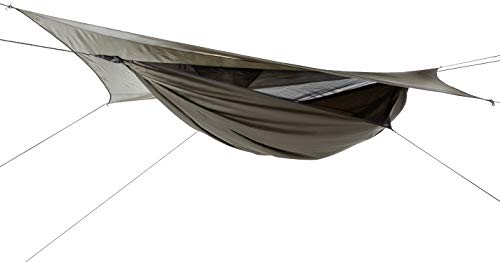
This is a full shelter system rather than a lounging hammock, arriving with integrated bug netting, a rainfly and suspension in one package. Its asymmetric cut positions the body diagonally by design, producing a flatter lie than a symmetric hammock. Setup takes more steps, which is the tradeoff for a complete system.
Pros
- Bug net and rainfly included
- Asymmetric cut gives a flatter lie
- Everything needed in one purchase
Cons
- Bottom entry takes practice
- Heavier than a bare hammock

Wise Owl Outfitters DoubleOwl Hammock
Tree straps and carabiners come bundled here, so it works straight out of the packaging without a second order. Parachute nylon runs on the heavier side but tolerates rough handling well. Owners report it as a sensible first hammock before investing in lighter gear.
Pros
- Straps and hardware included
- Tough fabric for casual use
- Solid value as a complete package
Cons
- Heavier than backpacking specific hammocks
- No bug protection

Grand Trunk Double Parachute Nylon Hammock
A generously sized hammock suits a garden, a campsite or a festival with equal ease. Parachute nylon breathes well through warm weather. At heart this is a lounging hammock, so plan on adding a bug net and underquilt for sleeping outdoors.
Pros
- Roomy and comfortable for lounging
- Breathable in warm conditions
- Simple, proven design
Cons
- Straps typically purchased separately
- No integrated insect protection
Bear Butt Double Hammock
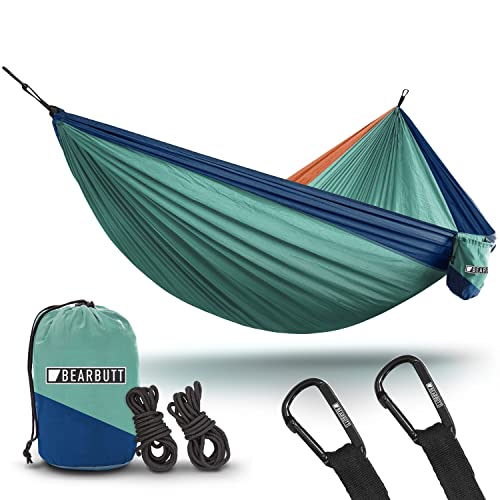
Straps and carabiners come included while keeping the price low, making this a common first hammock for people unsure how often they will use one. Fabric runs heavier than premium options and correspondingly forgiving of rough handling. Backyard and car camping suit it better than long hikes.
Pros
- Low cost complete setup
- Durable fabric for casual use
- Generous width for the price
Cons
- Heavy for backpacking
- Basic hardware compared with premium brands

Sea to Summit Pro Hammock Double
Hikers counting grams get very light fabric here, reaching a packed size that disappears into a pack. That lightness demands care around rough bark and sharp branches. Overnight comfort still requires adding suspension, netting and insulation separately.
Pros
- Extremely light and packable
- Barely noticeable added pack weight
- Quality construction and stitching
Cons
- Thin fabric requires careful handling
- Suspension not included
Side by side
| # | Model | Capacity | Best for | Score | Price |
|---|---|---|---|---|---|
| 1 | ENO DoubleNest Hammock | Two person rated | Best overall | 9.4 | Check price |
| 2 | Kammok Roo Double | Two person rated | Best for backpacking | 9.2 | Check price |
| 3 | Hennessy Hammock Expedition Asym Zip | Single occupant | Best complete system | 9.0 | Check price |
| 4 | Wise Owl Outfitters DoubleOwl Hammock | Two person rated | Best value | 8.7 | Check price |
| 5 | Grand Trunk Double Parachute Nylon Hammock | Two person rated | Best for everyday lounging | 8.5 | Check price |
| 6 | Bear Butt Double Hammock | Two person rated | Best budget | 8.2 | Check price |
| 7 | Sea to Summit Pro Hammock Double | Two person rated | Best for weight savings | 8.0 | Check price |
Before you buy
Why do hammock straps matter as much as the hammock? Tree friendly webbing straps at least a couple of inches wide spread load and avoid damaging bark, and many parks require them. Rope and thin cord cut into trees and are widely discouraged. Several hammocks here ship without suspension, so check what is included before comparing prices between models.
What hang angle makes a hammock comfortable? A hammock hung too tight creates a taut, uncomfortable ridge along the spine. Roughly a thirty degree angle from horizontal at each end produces the deep curve that allows a diagonal lie. Lying across the hammock rather than along it flattens the body considerably, and most complaints about hammock back pain trace to hang technique rather than the hammock itself.
How do you stay warm sleeping in a hammock overnight? A hammock leaves the back exposed to moving air, which strips heat far faster than sleeping on the ground. A sleeping bag compresses underneath the body, so insulation there does little good. An underquilt hung outside the hammock or a sleeping pad placed inside solves the problem, and most new hammock campers learn this on their first cold night.
Lounging hammock or full shelter system, which do you need? A bare double hammock suits lounging, day hikes and car camping, since it stays simple and light. Overnight trips during bug season need netting and a rainfly, and an integrated system like Hennessy Hammock Expedition Asym Zip usually ends up lighter than assembling one from parts. Decide which trip this is before choosing between a bare hammock and a full shelter.
Frequently asked questions
Are hammocks comfortable to sleep in all night?
Many people find them more comfortable than a ground pad once hang angle is right and they lie diagonally. Side sleepers generally do better in wider hammocks with a proper diagonal lie, and comfort tends to improve after a few nights of adjusting the setup.
How far apart should trees be for a camping hammock?
Roughly a few feet wider than the hammock length works for most setups, commonly around twelve to fifteen feet. Straps with multiple attachment points add flexibility when spacing is not ideal, which describes most real forests.
Do you need a bug net for a camping hammock?
In summer and most wooded areas, yes. Insects find the underside of a hammock easily and can bite through fabric pressed against skin. Integrated systems include netting, and add on nets exist for bare hammocks.
How do you stay warm in a hammock overnight?
Insulate underneath with an underquilt hung outside the hammock or a sleeping pad placed inside it. A sleeping bag alone will not work, since body weight compresses the insulation exactly where warmth is needed most.
Can two people sleep in a double hammock?
Capacity ratings allow it for sitting or lounging, but two people sleeping in one hammock roll toward the middle and neither sleeps well. Most couples who hammock camp use two single or double hammocks instead of sharing one.
Will a hammock damage trees?
Wide webbing straps distribute pressure and cause no meaningful harm to healthy mature trees. Thin rope, cord or wire cuts into bark and can kill a tree over time, which is why many parks mandate wide straps.
What weight capacity do you need from a hammock?
Account for body weight plus gear, and add margin for movement, since shock loading from sitting down heavily exceeds static weight. Most doubles here rate well above typical single occupant use, so capacity rarely becomes the limiting factor.
Can a hammock be used where there are no trees?
Only with a hammock stand, which is impractical to carry. In open terrain, a hammock that pitches as a bivy or tarp shelter helps, but most campers bring a tent when trees are not guaranteed.
ENO DoubleNest vs Kammok Roo Double, which is better for backpacking?
Kammok Roo Double uses lighter fabric and packs smaller, which matters over multiple days on foot. ENO DoubleNest is heavier but slightly more durable for mixed backyard and camp use.
The bottom line
ENO DoubleNest remains the hammock that suits the widest range of people, comfortable for a long afternoon and durable enough to last years, provided straps get budgeted in alongside it. Backpackers watching pack weight will prefer Kammok Roo Double, and anyone planning to genuinely sleep outdoors should start with Hennessy Hammock Expedition Asym Zip and its integrated netting and fly.