Car Window Tint Kits: Precut vs Roll Film Compared
The MotoShield Pro Precut Ceramic Window Tint Kit leads on heat rejection without blocking phone signal. The LEXEN 2 Ply Premium Carbon Window Tint Roll is the value pick and fits any vehicle. The Gila Basic Window Tint Kit is the budget entry for a first attempt.
The MotoShield Pro Precut Ceramic Window Tint Kit gives the best heat rejection without the signal problems metallic films cause, the LEXEN 2 Ply Premium Carbon Window Tint Roll offers most of that performance in a roll you cut yourself, and the Gila Basic Window Tint Kit is the cheapest way to find out whether you can do this at all.
Tint kits are hard to compare because darkness and heat rejection are unrelated, and a very dark dyed film can block less heat than a light ceramic one. We compared stated infrared rejection, film construction from dyed through carbon to ceramic, adhesive type and how long the film stays workable during application, whether the film interferes with phone and radio signal, and how much trimming each kit demands.
Our top picks

MotoShield Pro Precut Ceramic Window Tint Kit
Ceramic film blocks a high share of infrared heat while remaining non-metallic, so phone signal, radio and tyre pressure sensors carry on working normally. Ordering precut for your specific vehicle removes the hardest part of the job, which is trimming curved glass. The adhesive stays workable long enough to reposition, which matters enormously on a first attempt.
Pros
- High infrared rejection without metallic layers
- Precut panels remove the trimming step entirely
- Adhesive allows repositioning during install
Cons
- Only available for supported vehicle models
- Most expensive option in this group

LEXEN 2 Ply Premium Carbon Window Tint Roll
Carbon film sits between dyed and ceramic on heat rejection and, crucially, does not fade to purple the way cheap dyed films do. Buying it as a roll means it fits any vehicle and you have material left for mistakes, which you will make. The two ply construction is more forgiving of handling than single ply films.
Pros
- Roll format fits any vehicle and allows retries
- Carbon film does not fade purple over time
- Two ply handles more forgivingly than single ply
Cons
- You must cut and heat shrink every panel yourself
- Less heat rejection than ceramic film

Gila Basic Window Tint Kit
Includes the film plus the application solution and squeegee, which is the right way to sell tint to someone who has never done it. The dyed film is the least capable here on heat and will fade over several years of strong sun. As a way to learn the technique before committing to expensive film, it is well judged.
Pros
- Includes the tools a first-timer needs
- Lowest outlay for a complete kit
- Good practice material before using premium film
Cons
- Dyed film offers the least heat rejection
- Colour fades over several years of strong sun

Gila Heat Shield Ceramic Window Tint
Gila’s ceramic film delivers a real drop in cabin heat without needing a very dark shade, which is useful where tint laws are strict. Because it is non-metallic there are no signal issues. It is sold as a roll, so you take on all the cutting and shrinking work yourself.
Pros
- Strong heat rejection even in lighter shades
- No interference with electronics or signal
- Useful where dark tint is not legal
Cons
- Requires full cutting and heat shrinking
- Priced well above dyed and carbon rolls

TRUE LINE Automotive Precut Window Tint Kit
Panels cut by computer to your exact vehicle, which turns the job from a fabrication exercise into an application exercise. That single change is what makes a first tint job look professional rather than obviously homemade. Film performance is mid-range, so you are paying for the cutting rather than the material.
Pros
- Removes cutting and trimming from the job
- Edges follow the glass line cleanly
- Full vehicle sets available in one order
Cons
- Film performance is mid-range rather than premium
- No spare material if a panel is ruined
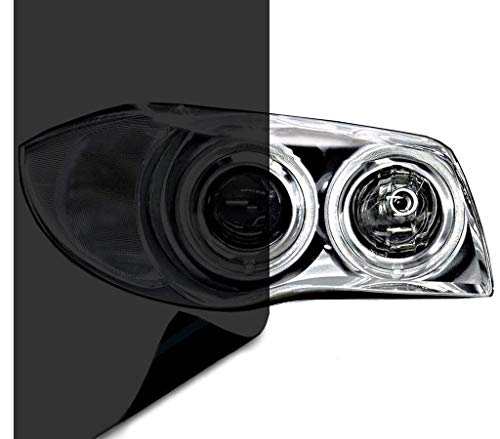
VViViD Air-Tint Window Tint Film
The air release channels in the adhesive let trapped bubbles escape as you squeegee, which forgives the technique errors that ruin a first attempt with conventional film. It is more of a decorative and privacy film than a heat rejection product. Treat it as the low-risk way to learn application.
Pros
- Air channels release bubbles as you work
- Can be lifted and repositioned during install
- Very forgiving for a first-time installer
Cons
- Limited heat rejection compared with ceramic
- Better suited to appearance than performance

Protint Windows 5% Shade Limo Black Window Tint
At five percent visible light transmission this is the darkest option here and is intended for rear windows, cargo areas and vehicles where privacy is the whole point. It is illegal on front side windows in most jurisdictions, so check your local law before ordering. Night visibility through it is genuinely poor.
Pros
- Maximum privacy for rear and cargo glass
- Blocks a very high share of visible light
- Inexpensive per square foot
Cons
- Illegal on front side windows in most jurisdictions
- Night visibility through it is poor
The lineup, side by side
| # | Model | Film type | Best for | Score | Price |
|---|---|---|---|---|---|
| 1 | MotoShield Pro Precut Ceramic Window Tint Kit | Ceramic, non-metallic | Best overall | 9.4 | Check price |
| 2 | LEXEN 2 Ply Premium Carbon Window Tint Roll | Two ply carbon | Best value | 9.2 | Check price |
| 3 | Gila Basic Window Tint Kit | Dyed | Best budget | 9.0 | Check price |
| 4 | Gila Heat Shield Ceramic Window Tint | Ceramic | Best for heat rejection | 8.8 | Check price |
| 5 | TRUE LINE Automotive Precut Window Tint Kit | Carbon or dyed by option | Best precut | 8.6 | Check price |
| 6 | VViViD Air-Tint Window Tint Film | Air release adhesive | Best for beginners | 8.3 | Check price |
| 7 | Protint Windows 5% Shade Limo Black Window Tint | 5 percent, limo black | Best for privacy | 8.0 | Check price |
Before you buy
Dyed, carbon, metallic and ceramic Dyed film is the cheapest, works mainly by absorbing light, and fades towards purple over years of sun. Carbon film resists fading and rejects more heat. Metallic film performs well on heat but reflects radio frequencies, which can degrade phone signal, radio reception and tyre pressure sensors. Ceramic is the current best answer, rejecting a high share of infrared without any metal in the construction, and it costs accordingly.
Darkness and heat rejection are different things Visible light transmission, quoted as a percentage, tells you how much light passes through, so a five percent film is very dark. It says nothing about heat. A light ceramic film at seventy percent VLT can reject more infrared than a very dark dyed film, which is why buying purely on darkness is a mistake. If your goal is a cooler cabin rather than privacy, compare infrared rejection figures instead.
Precut versus roll film Precut kits arrive shaped for your specific vehicle, which removes the hardest and most error-prone step. The catch is that you get exactly the panels you need with no spare material, so a ruined panel means reordering. Roll film costs less per window, fits any vehicle, and leaves you material for second attempts, but you take on the cutting and, on curved rear glass, the heat shrinking that goes with it.
Legal limits and the practical install Tint laws vary widely by state and country, generally allowing darker film on rear windows than on the front sides, with the windshield most restricted of all. Check your local limits before ordering, since removing illegally dark film is far more work than applying it. On the install itself, work in a clean, still, warm space, clean the glass far more thoroughly than feels necessary, and expect small haze pockets to clear over a few days as the adhesive cures.
Good to know
How dark can I legally tint my car windows?
It varies by jurisdiction and by window position, with rear glass usually allowed darker than front side windows. Check your state or national regulations before ordering, as limits are enforced with a meter and removal is costly.
Is ceramic tint worth the extra cost?
If cabin heat is your main concern, yes. Ceramic rejects far more infrared than dyed film at the same darkness and contains no metal, so it does not interfere with phone signal, radio or sensors. For pure privacy, cheaper film performs the same visually.
Will window tint interfere with my phone signal?
Only metallic films do. Dyed, carbon and ceramic films are all non-metallic and have no effect on phone reception, radio, GPS or tyre pressure monitoring systems.
How long does it take to tint a car yourself?
A precut kit typically takes two to four hours for a full car on a first attempt. Roll film adds substantially to that because of the cutting and heat shrinking, and a first-timer should expect a full day.
Why does my new tint look hazy or bubbly?
Some water haze is normal for the first few days while the adhesive cures, and it usually clears on its own. Bubbles that remain after a week generally mean trapped contamination or air from the install, and those will not disappear.
Can I tint over existing tint?
You should not. Layering film gives poor adhesion, unpredictable darkness and a visibly poor finish. Remove the old film completely and clean off all adhesive residue before applying new film.
How long should window tint last?
Quality carbon and ceramic films commonly last many years without fading or bubbling. Dyed film is the shortest lived, typically starting to fade and shift colour after a few years of strong sun exposure.
Do I need to heat shrink the film?
On flat glass, no. On curved rear windows, yes, and this is the step that separates a professional finish from a wrinkled one. Precut kits still require shrinking on rear glass, which is why some installers precut only the side windows.
The verdict
The MotoShield Pro Precut Ceramic Window Tint Kit is the pick if your vehicle is supported, since ceramic performance and precut panels remove both the heat problem and the hardest part of the install. The LEXEN 2 Ply Premium Carbon Window Tint Roll is the sensible middle ground, fitting any car and leaving spare material for the panel you ruin. Start with the Gila Basic Window Tint Kit if you have never applied film before.


