Climbing Ropes for Sport, Trad and Gym: How to Choose
Sterling’s Evolution Velocity 9.8 remains the most versatile single rope, balancing sheath durability with manageable weight. Sport climbers get smoother feeding and clipping from the Petzl Contact 9.8. For gym sessions and constant top roping, the Sterling Marathon Pro 10.1 outlasts everything else here.
Across styles, three ropes stand out: the Sterling Evolution Velocity 9.8 as the all round workhorse, the Petzl Contact 9.8 as the smooth handling sport rope, and the Sterling Marathon Pro 10.1 as the one built to survive relentless top rope abuse.
Rope labels describe safety margins rather than everyday feel, which is what makes the choice confusing. We compared diameter, UIAA fall rating, impact force and dry treatment options, then weighed long term owner reports on sheath wear, since a rope that fuzzes out in a season is poor value however it is marketed.
How to pick the right one
What diameter climbing rope do you need? Modern all round singles run 9.4 to 9.8 millimetres. Thinner ropes save weight and feed faster, but they wear quicker and demand more attention from the belayer. Around 10 millimetres, ropes like the Marathon Pro survive far longer under top rope friction and feel more secure to newer climbers. Buy for how you climb most weeks, not for a trip you might take one day.
What do UIAA fall rating and impact force actually mean? A UIAA fall rating counts severe standardised test falls the rope withstood, not falls you are allotted. Impact force measures how hard the rope loads your protection, where lower is gentler on gear and body. Dynamic elongation describes stretch distance. Every certified single rope is safe when used correctly, so read these numbers as character, not as a safety ranking.
Is a dry treated rope worth it? Dry treatment repels water and slows grit working into the sheath. Indoor climbers and dry weather cragging can skip it. Anywhere near ice, alpine terrain or wet rock it earns its cost, because a soaked rope is heavier, weaker and can freeze stiff. Options range from sheath only coatings to the double treatment offered on the BlueWater Lightning Pro.
When should you retire a climbing rope? Run the full length through your hands, feeling for flat spots, soft core sections and heavy sheath fuzzing. Retire immediately after a severe fall factor event or any chemical contact. Manufacturer age limits apply even to unused ropes, since nylon degrades in storage, so a decade old rope from a garage sale is no bargain.
Our top picks
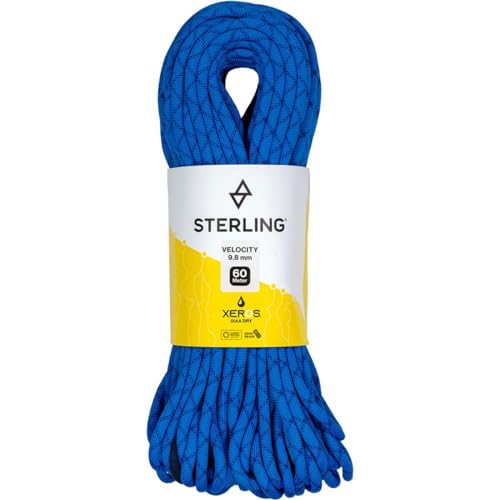
Sterling Evolution Velocity 9.8mm Climbing Rope
Years of default recommendations rest on the Velocity sitting at the useful middle of every trade off. Its 9.8mm diameter runs thin enough for long routes yet thick enough to survive weekly use. Owners report the sheath holds up well against granite edges, and a dry treated version covers wet conditions.
Pros
- Balanced diameter suits nearly every style
- Durable sheath for regular outdoor use
- Feeds smoothly through belay devices
Cons
- Heavier than dedicated thin sport ropes
- Dry treated version raises the outlay noticeably

Petzl Contact 9.8mm Climbing Rope
Supple, low memory construction lets the Contact pay out fast when a leader needs slack in a hurry. It clips cleanly and stays flexible in the cold, which suits climbers running laps on bolted routes. Kinks rarely develop even after repeated lowering.
Pros
- Very smooth to pay out and clip
- Stays flexible in cold conditions
- Resists developing kinks
Cons
- Softer sheath fuzzes under heavy top roping
- Untreated version absorbs water quickly

Sterling Marathon Pro 10.1mm Climbing Rope
A thicker, denser sheath gives the Marathon Pro its purpose: surviving the repeated running abuse of top rope anchors and gym sessions. Carrying 10.1mm costs weight and clipping speed. In exchange it outlasts thinner ropes by a wide margin in heavy rotation, which suits instruction and group use.
Pros
- Excellent resistance to sheath wear
- Confidence inspiring thickness for beginners
- Long service life in heavy rotation
Cons
- Heavy for long multi pitch days
- Stiffer feel through some belay devices

Mammut Crag Classic 9.5mm Climbing Rope
Cutting to 9.5mm trims meaningful weight from a pack without entering specialist skinny rope territory. Mammut’s sheath construction keeps handling predictable, which matters when managing rope on a hanging belay. Owners accept slightly faster wear as the price of the lighter carry.
Pros
- Noticeably lighter on long approaches
- Consistent handling through devices
- Good balance of weight and durability
Cons
- Wears faster than thicker ropes
- Needs an attentive belayer on thin device settings
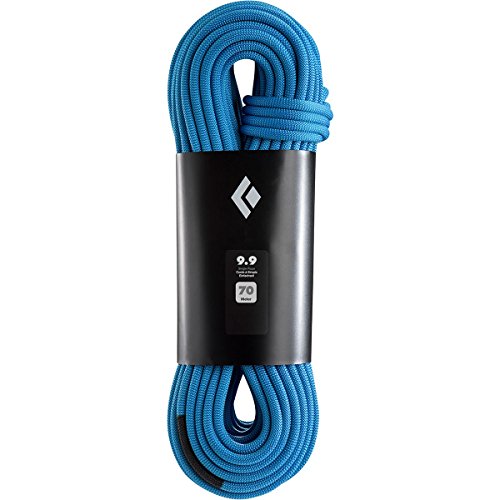
Black Diamond 9.9 Climbing Rope
Climbers building a first rack are the target for Black Diamond’s 9.9. Its diameter feels reassuring in the hand and works with almost any belay device, which forgives an inexperienced belayer. Straightforward construction avoids specialist compromises at either end of the range.
Pros
- Forgiving diameter for new belayers
- Broad belay device compatibility
- Solid general purpose durability
Cons
- Not the lightest for long days
- Fewer length and treatment options

Edelrid Boa 9.8mm Climbing Rope
Edelrid positions the Boa below the premium names while matching their core specifications, including a Thermo Shield treatment that stabilises the fibres. Owners report it stiffens slightly with age yet keeps sheath integrity through regular outdoor seasons. Several lengths widen the fit for different crags.
Pros
- Strong value for a full specification rope
- Holds up well outdoors
- Available in several lengths
Cons
- Handling stiffens over time
- Less supple than the Petzl Contact when new

BlueWater Ropes Lightning Pro 9.7mm Climbing Rope
Low impact force defines the Lightning Pro, reducing the load a fall transmits to marginal gear placements. Trad climbers benefit most, since their protection is only as good as the rock it sits in. A double dry treatment option prepares it for wet and alpine use.
Pros
- Low impact force protects marginal gear
- Reliable dry treatment option
- Good middle diameter for mixed use
Cons
- Less widely stocked than major brands
- Softer catch means longer falls
Side by side
| # | Model | Diameter | Best for | Score | Price |
|---|---|---|---|---|---|
| 1 | Sterling Evolution Velocity 9.8mm Climbing Rope | 9.8 millimetres | Best overall | 9.4 | Check price |
| 2 | Petzl Contact 9.8mm Climbing Rope | 9.8 millimetres | Best for sport climbing | 9.2 | Check price |
| 3 | Sterling Marathon Pro 10.1mm Climbing Rope | 10.1 millimetres | Best for gym and top rope | 9.0 | Check price |
| 4 | Mammut Crag Classic 9.5mm Climbing Rope | 9.5 millimetres | Best for long routes | 8.7 | Check price |
| 5 | Black Diamond 9.9 Climbing Rope | 9.9 millimetres | Best for beginners | 8.5 | Check price |
| 6 | Edelrid Boa 9.8mm Climbing Rope | 9.8 millimetres | Best for value durability | 8.3 | Check price |
| 7 | BlueWater Ropes Lightning Pro 9.7mm Climbing Rope | 9.7 millimetres | Best for trad climbing | 8.0 | Check price |
Questions worth asking
What diameter rope should a beginner buy?
Between 9.8 and 10 millimetres is the sensible start. That range grips easily in a belay device and survives the heavy top rope use most new climbers put in.
How long should a climbing rope be?
Sixty metres covers most sport crags, while seventy metres is becoming standard for longer modern routes. Check local guidebooks first, since coming up short of a lowering point is dangerous.
How often should a climbing rope be replaced?
Manufacturers state a maximum life of around ten years from manufacture regardless of use. Regular climbing shortens that sharply, and heavy weekly use often means replacement within a year or two.
Is a single rope different from a half rope?
Yes. Single ropes carry a 1 in a circle on the end label and are used alone. Half and twin ropes work only in pairs, suiting wandering trad lines and alpine routes.
Do I need dry treatment for indoor climbing?
No. A dry gym gives the treatment nothing to do, so the extra outlay is wasted. Save it for alpine, ice or wet weather objectives.
Why does my new rope kink so much?
Fresh ropes need correct uncoiling and a few sessions to relax. Flaking the rope end to end instead of coiling it in loops removes most of the twist.
Does a thicker rope mean a safer rope?
Not by certification, since every single rope passes the same standard. Thickness buys abrasion resistance and easier grip in a device, which is longevity and handling rather than safety margin.
Can I wash a climbing rope?
Yes, in cool water with a rope specific cleaner or mild soap, then dried out of direct sunlight. Never use bleach or solvents, and never machine dry it.
Which rope lasts longest for top roping?
A dense sheathed 10 millimetre class rope like the Sterling Marathon Pro 10.1. Repeated running over anchors chews thin sheaths quickly, so durability focused construction pays off fastest in this role.
Final word
Most climbers should own the Sterling Evolution Velocity 9.8, because it does everything competently and lasts. Choose the Petzl Contact 9.8 when smooth clipping on sport routes is the priority. Pick the Sterling Marathon Pro 10.1 if your rope spends its life running over top rope anchors.
You might also need
Choosing a Climbing Harness for Gym, Sport and Trad
