Cordless Drills That Handle Every Home Project With Ease
The DeWalt DCD777C2 is the best cordless drill for most homes, blending brushless power with a compact, easy to handle body. The Makita XFD131 is a superb value alternative, while the Black and Decker LDX120C keeps things simple and affordable for lighter DIY tasks.
For everyday home use the DeWalt DCD777C2 is the drill most people should buy, with the Makita XFD131 close behind on value and the affordable Black and Decker LDX120C ideal for lighter jobs. Each one covers the drilling and driving tasks a typical household throws at them.
Picking a cordless drill is trickier than it looks because torque figures, battery platforms, and weight all affect how comfortable a tool feels over a long afternoon. Rather than rely on marketing numbers alone, we compared published specifications, motor types, and what long term owners report about durability and battery life.
What we recommend

DeWalt DCD777C2 20V Max
The DCD777C2 uses a brushless motor that runs cooler and squeezes more life from each charge, and its compact head reaches into tight spots owners struggle with on bulkier drills. It ships with two batteries, so one is always ready while the other charges.
Pros
- Efficient brushless motor
- Compact and lightweight body
- Two batteries in the box
Cons
- No built in work light on the base kit
- Belt clip sold separately

Makita XFD131 18V LXT
The XFD131 pairs a brushless motor with Makita’s well liked LXT battery platform, which many owners already own for other tools. It delivers strong torque for its size and includes a bright LED and a fast charger, making it a dependable all rounder for home projects.
Pros
- Great torque for its size
- Shares batteries with many Makita tools
- Bright built in LED
Cons
- Only one battery in some kits
- Slightly pricier than budget rivals

Milwaukee M18 2801-21P
For heavier home projects the M18 brings extra grunt from its brushless motor and rugged build that owners trust for demanding jobs. It taps into the huge M18 ecosystem, so it grows with you if you add more Milwaukee tools down the line.
Pros
- Plenty of power for tough tasks
- Durable, jobsite grade build
- Large tool ecosystem
Cons
- Heavier than compact drills
- Premium price for casual users
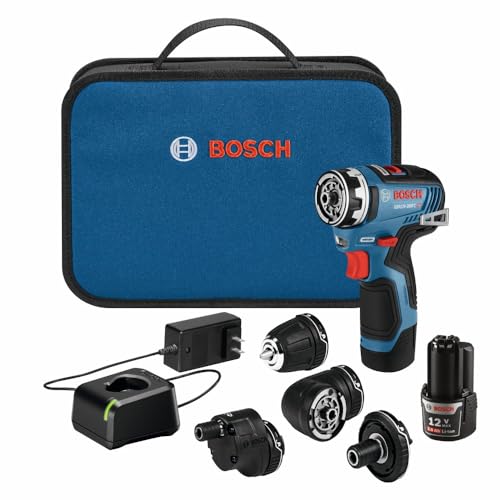
Bosch GSR12V-300 12V
This 12V drill is remarkably short and light, letting owners work in cabinets and other cramped spaces where full size tools will not fit. Despite the smaller battery it drives plenty of screws per charge, making it a favorite for light assembly and around the house fixes.
Pros
- Exceptionally compact and light
- Comfortable for overhead work
- Efficient brushless motor
Cons
- Less torque than 18V or 20V drills
- Smaller chuck limits large bits
Ryobi P1813 ONE Plus HP
The ONE Plus HP brings brushless performance to Ryobi’s massive and affordable battery platform, so a single set of batteries can power dozens of tools. Owners building out a home workshop love that flexibility, and this drill handles routine drilling and driving with ease.
Pros
- Huge affordable tool ecosystem
- Brushless power at a fair price
- Comfortable grip
Cons
- Batteries larger than some rivals
- Charger can be slow

Black and Decker LDX120C 20V Max
The LDX120C is the affordable, no fuss choice for hanging shelves, assembling furniture, and light repairs. Owners appreciate how light and simple it is for occasional use, and the lithium battery holds a charge well between projects.
Pros
- Very affordable
- Light and easy to use
- Fine for everyday home tasks
Cons
- Brushed motor is less efficient
- Underpowered for heavy drilling

Craftsman V20 CMCD700C1
The V20 is a friendly starter drill with straightforward controls and a comfortable grip that new DIYers find approachable. It taps into the affordable V20 platform, and owners report it handles the bulk of common household jobs without any drama.
Pros
- Approachable for first time users
- Comfortable, balanced grip
- Affordable V20 platform
Cons
- Brushed motor less efficient
- Not built for constant heavy use
What to look for
Brushless versus brushed motors Brushless motors, found on the DeWalt, Makita, Milwaukee, and Bosch picks, run cooler, last longer, and get more work from each charge. Brushed drills like the Black and Decker and Craftsman cost less and are perfectly capable for occasional light tasks, which is often all a household needs.
How much voltage do you really need Higher voltage generally means more torque, but it also adds weight. For most home jobs an 18V or 20V drill hits the sweet spot, while a compact 12V model like the Bosch is plenty for assembly and light repairs and far easier to handle overhead.
Battery platforms and building a toolkit If you plan to add more cordless tools later, picking a drill on a large platform such as Ryobi ONE Plus, Milwaukee M18, or Makita LXT lets you share batteries across everything. That can save real money over time compared with buying separate battery systems.
Weight, balance, and comfort A drill that feels great in the store can grow tiring during a long project, so weight and grip matter. Compact brushless models like the DeWalt and Bosch reduce fatigue, which owners especially value when working above shoulder height or in awkward positions.
How they compare
| # | Model | Motor | Best for | Score | Price |
|---|---|---|---|---|---|
| 1 | DeWalt DCD777C2 20V Max | Brushless | Best overall | 9.3 | Check price |
| 2 | Makita XFD131 18V LXT | Brushless | Best value | 9.1 | Check price |
| 3 | Milwaukee M18 2801-21P | Brushless | Best for power | 9.0 | Check price |
| 4 | Bosch GSR12V-300 12V | Brushless | Best compact | 8.8 | Check price |
| 5 | Ryobi P1813 ONE Plus HP | Brushless | Best for DIY systems | 8.6 | Check price |
| 6 | Black and Decker LDX120C 20V Max | Brushed | Best budget | 8.3 | Check price |
| 7 | Craftsman V20 CMCD700C1 | Brushed | Best for beginners | 8.1 | Check price |
Frequently asked questions
How much torque do I need for home use?
For typical household jobs such as furniture assembly, hanging shelves, and light woodworking, any of these drills has ample torque. You only need the highest torque models if you regularly drill large holes or drive long fasteners into hardwood.
Is a brushless drill worth the extra cost?
For frequent use, yes, because brushless motors run longer per charge and tend to last longer overall. For occasional light tasks a budget brushed drill like the Black and Decker LDX120C is perfectly adequate and saves money upfront.
What is the difference between a drill and an impact driver?
A drill handles drilling holes and driving screws with a clutch for control, while an impact driver delivers rotational bursts for driving long fasteners quickly. For general home use a drill is the more versatile single tool to start with.
How long do the batteries last on a charge?
Runtime depends on the task, but owners report these drills handle dozens of screws or many holes per charge. Buying a kit with two batteries, like the DeWalt DCD777C2, means you can keep working while one recharges.
Do I need a half inch or three eighths inch chuck?
A half inch chuck accepts larger bits and is more versatile for demanding work, while a three eighths inch chuck keeps the tool smaller and lighter. For most home tasks either size works, so let overall handling guide your choice.
Can these drills handle masonry or concrete?
Standard drills can manage occasional light masonry with the right bit, but for regular concrete work a dedicated hammer drill is a better fit. None of these picks is designed as a primary masonry tool.
Which drill is best for a beginner?
The Craftsman V20 and Black and Decker LDX120C are the most approachable, with simple controls and light bodies. Both handle the everyday jobs a new DIYer is most likely to tackle without feeling overwhelming.
Should I buy into a battery ecosystem?
If you expect to add tools like a saw or sander later, choosing a large platform such as Ryobi ONE Plus, Makita LXT, or Milwaukee M18 lets you reuse batteries and chargers, which saves money and clutter over time.
The verdict
The DeWalt DCD777C2 is the smart default for most homes, combining brushless efficiency, a compact body, and two batteries in one kit. Value seekers should weigh the Makita XFD131, while anyone who only needs occasional light drilling will be well served by the affordable Black and Decker LDX120C.