Choosing the Right Cordless Drill for DIY Jobs
The DeWalt DCD777C2 is our top overall cordless drill for its strong brushless motor, compact size and complete kit. The Makita XFD10R leads on lightweight everyday handling, while the Milwaukee M18 Fuel offers the most torque for demanding jobsite and pro-grade work.
If you want one drill that handles home repairs and weekend builds, the DeWalt DCD777C2 is the safest pick for most users, with the Makita XFD10R for light everyday handling and the Milwaukee M18 Fuel for the toughest jobsite tasks.
Cordless drills are tricky to shop for because torque ratings, battery platforms and kit contents vary widely, and the headline number rarely tells you how a drill performs across real materials. We compared published specifications, motor and battery designs, and the patterns across long-run owner reports to rank drills on the traits that matter most: usable power, how comfortable they feel over a long task, and how far the battery system stretches.
The top picks, ranked

DeWalt DCD777C2 Brushless Cordless Drill
The DeWalt DCD777C2 is the drill most homeowners settle on because its brushless motor delivers strong power in a compact, well-balanced body. Owners report it drives long screws and bores through wood with ease, and the two-battery kit covers most weekend projects. The single-sleeve chuck can be trickier to tighten one-handed than some rivals.
Pros
- Strong brushless motor for the size
- Compact, well-balanced body
- Complete two-battery kit
Cons
- Single-sleeve chuck harder to tighten
- No belt hook included

Makita XFD10R Cordless Drill
The Makita XFD10R wins over owners with its light weight and comfortable grip that reduces fatigue on long tasks. The compact head reaches into tight spaces well and the built-in LED lights the work area. It uses compact batteries rather than high-capacity packs, so heavy continuous drilling drains them faster than larger kits.
Pros
- Lightweight and comfortable to hold
- Compact head reaches tight spots
- Bright built-in work light
Cons
- Compact batteries drain sooner
- Brushed motor less efficient than brushless

Milwaukee M18 Fuel Cordless Drill
The Milwaukee M18 Fuel is the pick owners reach for when torque matters, powering through large bits and dense material that stall lesser drills. The brushless motor and metal chuck feel built for daily jobsite abuse. It is heavier and pricier than home-focused drills, and the extra power is more than casual users need.
Pros
- Class-leading torque for tough jobs
- Durable metal chuck and housing
- Handles large bits without stalling
Cons
- Heavier than home-focused drills
- More power than casual users need
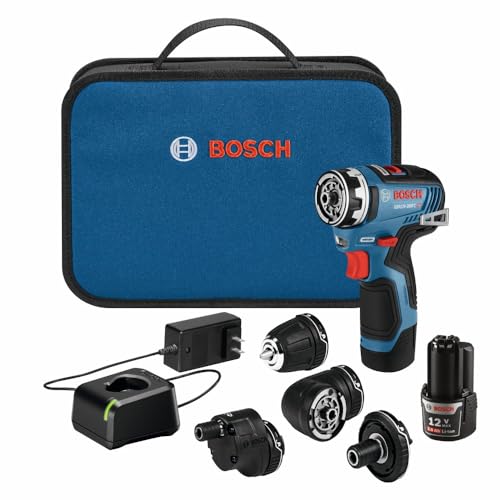
Bosch GSR12V Cordless Drill
The Bosch GSR12V is prized for its short, light body that owners say fits into cabinets and cramped corners other drills cannot reach. Despite the 12V platform it handles most household drilling and driving with ease. The lower voltage means it lacks the punch for large holes or dense hardwood, making it a precision tool rather than a heavy hitter.
Pros
- Very short and lightweight
- Reaches tight, awkward spaces
- Efficient brushless motor
Cons
- Less power for large holes
- Smaller 3/8 inch chuck limits big bits

Ryobi ONE+ HP Cordless Drill
The Ryobi ONE+ HP gives DIY owners a brushless upgrade on a battery platform that fits a huge range of affordable tools. Reviewers say it handles typical home projects with power to spare and good runtime. The plastic-heavy build feels less rugged than pro brands and the drill is slightly bulkier than compact rivals.
Pros
- Brushless power at a fair price
- Fits a large, affordable tool lineup
- Good runtime for home projects
Cons
- Plastic-heavy build feels less rugged
- Bulkier than compact competitors

Craftsman V20 Cordless Drill
The Craftsman V20 pairs a familiar name with a low-cost kit that owners say covers everyday drilling and driving without fuss. The battery platform supports a broad set of budget-friendly tools. Its brushed motor is less efficient than brushless rivals and the drill runs a little heavier for the power it produces, but the value is strong.
Pros
- Affordable, complete starter kit
- Fits a wide V20 tool range
- Adequate power for home tasks
Cons
- Brushed motor less efficient
- Heavier for the power delivered

Black+Decker LDX120C Cordless Drill
The Black+Decker LDX120C is a common first drill for light household use thanks to its very low cost and simple, lightweight design. Owners like how easy it is to grab for hanging shelves or assembling furniture. The 20V max motor is modest and the single included battery limits longer sessions, so it suits occasional jobs rather than heavy work.
Pros
- Very affordable and lightweight
- Easy for light household tasks
- Simple to grab and use
Cons
- Modest power and single speed
- One battery limits longer sessions
How they stack up
| # | Model | Chuck size | Best for | Score | Price |
|---|---|---|---|---|---|
| 1 | DeWalt DCD777C2 Brushless Cordless Drill | 1/2 inch | Best overall | 9.4 | Check price |
| 2 | Makita XFD10R Cordless Drill | 1/2 inch | Best for everyday use | 9.2 | Check price |
| 3 | Milwaukee M18 Fuel Cordless Drill | 1/2 inch | Best for heavy duty | 9.1 | Check price |
| 4 | Bosch GSR12V Cordless Drill | 3/8 inch | Best compact | 8.9 | Check price |
| 5 | Ryobi ONE+ HP Cordless Drill | 1/2 inch | Best for DIY | 8.6 | Check price |
| 6 | Craftsman V20 Cordless Drill | 1/2 inch | Best value | 8.4 | Check price |
| 7 | Black+Decker LDX120C Cordless Drill | 3/8 inch | Best budget | 8.1 | Check price |
How to pick the right one
How we chose these drills We built this ranking by comparing published specifications, motor and battery designs, and the patterns that show up across long-term owner reports rather than any single project. We weighted usable power and torque, chuck size, battery platform, weight and value, since those traits decide whether a drill becomes the tool you reach for or the one that disappoints on the first tough screw.
Power, voltage and brushless motors Voltage gives a rough sense of power, but the motor type matters just as much. Brushless drills like the DeWalt DCD777C2 and Milwaukee M18 Fuel run more efficiently and deliver more torque per charge than brushed models. A 12V drill such as the Bosch GSR12V is plenty for household tasks, while dense hardwood, masonry and large bits call for an 18V or 20V brushless tool.
Chuck size and versatility Most full-size drills here use a 1/2 inch chuck, which accepts larger bits and heavier accessories than a 3/8 inch chuck. If you plan to bore big holes or use hole saws, choose a 1/2 inch model. Compact drills like the Bosch and Black+Decker use a 3/8 inch chuck to stay small, which is fine for typical screws and smaller bits.
Battery platforms and kits Buying into a battery platform matters more than the single drill, since the same packs power dozens of other tools. DeWalt, Makita, Milwaukee, Ryobi and Craftsman all offer wide lineups, so pick the ecosystem you are likely to grow into. Check whether a kit includes two batteries and a charger, since a second pack keeps you working while one recharges.
Questions worth asking
Which cordless drill is best overall?
The DeWalt DCD777C2 is our top overall pick because its brushless motor delivers strong power in a compact body backed by a complete two-battery kit. For the heaviest tasks, the Milwaukee M18 Fuel offers more torque at a higher price.
What is the difference between a brushed and brushless drill?
Brushless motors run more efficiently, generate less heat and typically deliver more torque and runtime per charge, which is why models like the DeWalt and Milwaukee score well. Brushed drills such as the Craftsman V20 cost less and remain fine for lighter, occasional use.
How much voltage do I need in a cordless drill?
For most household drilling and driving, a 12V drill like the Bosch GSR12V is enough. Step up to 18V or 20V models when you regularly bore large holes, work with dense hardwood or masonry, or want longer runtime under load.
Does chuck size matter on a drill?
Yes. A 1/2 inch chuck accepts larger bits, hole saws and heavier accessories, making it the more versatile choice for bigger projects. A 3/8 inch chuck, as on the Bosch and Black+Decker, keeps the drill compact and handles typical screws and smaller bits well.
Should I buy a drill kit with two batteries?
A two-battery kit is worth it if you work for long stretches, since you can charge one pack while using the other. Several picks here, including the DeWalt DCD777C2, ship with two batteries and a charger for uninterrupted work.
Is a cordless drill also a screwdriver?
Yes. Every drill in this guide includes an adjustable clutch that controls torque for driving screws without stripping them or overdriving. Set a lower clutch number for delicate work and switch to drill mode for boring holes.
Which drill is best for a beginner or light DIY?
The Ryobi ONE+ HP and Craftsman V20 are excellent starting points, offering solid power on affordable, widely supported battery platforms. For only occasional light tasks, the low-cost Black+Decker LDX120C is an easy, lightweight option.
Are 12V drills powerful enough?
For most household jobs like assembling furniture, hanging shelves and driving standard screws, a 12V drill such as the Bosch GSR12V has ample power. Reserve 18V and 20V drills for large-diameter holes, hardwood and heavier construction work.
Can these drills work with masonry or concrete?
Standard drills can manage small holes in soft masonry with a masonry bit, but for regular concrete work a hammer drill is the better tool. The higher-torque Milwaukee M18 Fuel handles occasional tougher material better than the lighter models here.
How long do cordless drill batteries last?
Runtime depends on the task, battery capacity and motor type, so a brushless drill with a larger pack lasts noticeably longer per charge. Compact batteries, like those on the Makita XFD10R kit, keep the tool light but need recharging sooner during heavy use.
Our take
For most users the DeWalt DCD777C2 remains the smartest all-round cordless drill, balancing brushless power, a compact body and a complete kit. Those who value light everyday handling should look to the Makita XFD10R, while the Milwaukee M18 Fuel is the clear choice for demanding, high-torque jobsite work.