Which Daypack Fits Trail Days and Daily Commutes?
Osprey Talon 22 Backpack is the most versatile daypack here, with a ventilated back panel and adjustable hipbelt that carry hiking loads well. Osprey Daylite Plus Daypack covers everyday commuting and light trail use for less. Gregory Nano 22 Daypack is the lightest, cheapest option for casual day hikes.
One daypack for trail and town exists, and it’s the Osprey Talon 22 Backpack, thanks to its adjustable, ventilated fit. Osprey Daylite Plus Daypack covers everyday carry for less, while Gregory Nano 22 Daypack keeps casual hikes light and affordable.
Daypacks look interchangeable on a store wall, yet suspension, back panel breathability and pocket layout separate a pack you forget about from one you fight all day. We compared published capacities, back panel designs and owner reports on comfort to narrow seven packs worth carrying.
What we recommend

Osprey Talon 22 Backpack
A ventilated AirScape back panel and padded hipbelt make the Talon 22 comfortable through a full day of hiking. External stretch pockets and trekking pole loops add trail utility without adding bulk. It works equally well as a light travel bag between hikes.
Pros
- Ventilated back panel stays cool on long days
- Padded hipbelt transfers weight off the shoulders
- Stretch and hipbelt pockets keep gear handy
Cons
- Costs more than basic daypacks
- Sized fit means checking dimensions first

Osprey Daylite Plus Daypack
Commutes, travel days and light hikes all suit this 20 liter pack equally well. A padded internal sleeve protects a laptop or tablet, and the back panel stays comfortable under a moderate load. It also clips onto larger Osprey packs as an add-on.
Pros
- Works for commute, travel and light trail use
- Padded sleeve fits a tablet or laptop
- Clips onto larger Osprey packs
Cons
- Hipbelt is light for heavier loads
- Less structure than a dedicated hiking pack

Deuter Speed Lite 21 Backpack
Trail runners and fast hikers get a close, stable carry from the Speed Lite 21 without extra bulk. Side compression straps keep a partial load from shifting. It trims weight aggressively, so padding stays thin compared to bigger hiking packs.
Pros
- Very light for active, fast-paced days
- Compression straps keep loads stable
- Close-to-body carry avoids swinging weight
Cons
- Thin padding for heavier loads
- Fewer pockets than organization-focused packs

The North Face Borealis Backpack
A padded 15 inch laptop sleeve and structured FlexVent shoulder straps make the Borealis a practical daily carry for school or work. Its 28 liter capacity handles a full day’s gear with room to spare. A large front stash pocket swallows a jacket without digging through the main compartment.
Pros
- Padded sleeve protects a 15 inch laptop
- FlexVent straps stay comfortable under load
- Large front pocket for quick-grab items
Cons
- Leans urban rather than trail-focused
- Heavier empty than trail-first packs

Gregory Nano 22 Daypack
Casual day hikers get water, snacks and a layer covered without paying for extra features. A breathable back panel and hydration sleeve cover the basics that matter most on a warm trail. Its light weight keeps the whole pack easy to forget you’re wearing.
Pros
- Affordable entry into a real hiking daypack
- Breathable back panel for warm trails
- Hydration reservoir sleeve included
Cons
- Minimal hipbelt support for heavier loads
- Fewer organization pockets than pricier packs
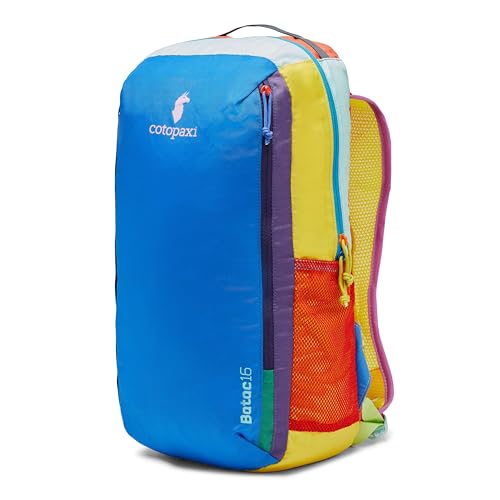
Cotopaxi Batac 24L Backpack
Sightseeing days and carry-on overflow suit this packable 24 liter bag well. It compresses down small for stowing when not in use, then expands back out for a day’s gear. A simple main compartment plus front pocket keeps the layout easy to grab and go.
Pros
- Packs down small for travel and storage
- Durable build handles daily travel wear
- Simple layout suits quick grab-and-go days
Cons
- Basic suspension for heavier loads
- Limited internal organization pockets

Patagonia Refugio Day Pack 26L
Work weeks and weekend outings both fit this 26 liter pack’s balance of a padded laptop sleeve and organized front pockets. A comfortable back panel carries a laptop and lunch without strain. It suits anyone who wants one bag instead of switching between a work bag and a hiking pack.
Pros
- One bag covers both office and weekend trips
- Padded sleeve protects a laptop
- Durable, comfortable back panel
Cons
- Less trail-specific than dedicated hiking packs
- Middle-of-the-road ventilation
Side by side
| # | Model | Capacity | Best for | Score | Price |
|---|---|---|---|---|---|
| 1 | Osprey Talon 22 Backpack | 22 liters | Best overall | 9.4 | Check price |
| 2 | Osprey Daylite Plus Daypack | 20 liters | Best value | 9.2 | Check price |
| 3 | Deuter Speed Lite 21 Backpack | 21 liters | Best ultralight | 9.0 | Check price |
| 4 | The North Face Borealis Backpack | 28 liters | Best for commuting | 8.8 | Check price |
| 5 | Gregory Nano 22 Daypack | 22 liters | Best budget | 8.5 | Check price |
| 6 | Cotopaxi Batac 24L Backpack | 24 liters | Best for travel | 8.3 | Check price |
| 7 | Patagonia Refugio Day Pack 26L | 26 liters | Best for work and weekend carry | 8.0 | Check price |
Before you buy
What size daypack do I actually need? Daypacks generally run from 18 to 28 liters, and the right size depends on the day ahead. Around 20 to 22 liters covers water, snacks and a layer for most hikes. Commuters carrying a laptop and lunch do better with 26 to 28 liters. A bigger pack tempts you to overpack it, so size for the trip, not the worst case.
How much does fit and suspension matter on a daypack? Carry comfort matters more than any spec sheet. Padded, ventilated shoulder straps and a back panel sized to your torso keep a loaded pack comfortable for hours. A hipbelt shifts weight off the shoulders on the trail. Everyday urban packs can skip a heavy hipbelt, but hiking loads benefit from one.
Do I need a ventilated back panel? A back panel that lets air move keeps your back cooler on warm days and steep climbs. Mesh-covered foam and suspended panel designs help sweat evaporate, worth prioritizing for hot-weather hikes. Cool-weather commuters can rank padding and organization above ventilation instead.
What organization features are worth paying for? Think about what you actually carry daily. External stretch pockets grab a water bottle without stopping. A padded sleeve protects a laptop or tablet on commutes. Hipbelt pockets keep snacks and a phone within reach on trail, while hydration sleeves and trekking pole loops add trail-specific utility.
Frequently asked questions
What size daypack should I get?
20 to 22 liters covers water, food and a layer for most day hikes. Add a laptop or class materials into the mix, and 26 to 28 liters gives the extra room needed.
Do I need a hipbelt on a daypack?
Loaded day hikes benefit from one, since it transfers weight off the shoulders. Light urban carry usually just needs a sternum strap, making a bulky hipbelt optional.
Can one daypack handle both hiking and commuting?
Yes, versatile packs like the Talon or Daylite Plus cover trail and town equally well. Dedicated commuter packs still protect a laptop better, so pick based on which use comes up more often.
Are ventilated back panels worth it?
Warm-weather hikers notice the difference immediately, since ventilation cuts a sweaty back noticeably. Cool-weather commuters can weigh it against padding and organization instead.
Can I add a hydration reservoir to these packs?
Most hiking daypacks include a sleeve and hose port, though the reservoir itself usually sells separately. Check the listing to confirm a hydration sleeve is actually present.
How much does an empty daypack weigh?
Lighter suits hiking better, and many 20 liter packs weigh around a pound or two empty. Feature-rich commuter packs weigh more due to padding and laptop protection.
Will a laptop fit inside these packs?
Several here, especially the commuter-focused models, include padded sleeves sized for laptops. Confirm sleeve dimensions against your laptop before buying, since trail-first packs may only fit a tablet.
Are daypacks waterproof?
Most stay water resistant rather than fully waterproof, shrugging off light rain without trouble. Steady rain calls for a rain cover or a dry bag around electronics.
The bottom line
Osprey Talon 22 Backpack gives most people the best return, carrying comfortably from trailhead to travel with a ventilated, adjustable fit. Osprey Daylite Plus Daypack is hard to beat for everyday value, while Gregory Nano 22 Daypack keeps casual day hikes light and affordable.