GPS Trackers That Actually Hold a Signal Off Leash
Tractive GPS Dog LTE offers the best all-round balance of live cellular tracking and low monthly cost. Fi Series 3 Smart Dog Collar lasts far longer between charges for daily wear. Garmin Alpha 200i keeps working where there is no phone signal at all.
Tractive GPS Dog LTE suits most owners first, since cellular coverage gives it effectively unlimited range and frequent enough updates to follow a moving dog on a map. Fi Series 3 Smart Dog Collar wins on battery life, lasting weeks instead of days. Garmin Alpha 200i remains the only sensible choice for hunting or hiking where mobile coverage disappears.
Three different technologies solve three different problems, which is what makes this category confusing. Cellular trackers work anywhere with signal but require a subscription. Handheld radio systems work off grid but cost far more upfront. Bluetooth tags only find a dog that stays nearby or crosses paths with another phone. We compared update frequency, battery life, subscription terms, collar compatibility, and water resistance against what owners report during an actual escape rather than a demo in the yard.
Our top picks

Tractive GPS Dog LTE Tracker
A cellular connection shows a dog moving across a map in near real time, which explains why this stays the most recommended tracker. It clips onto almost any existing collar and survives rain or a swim. Live mode drains the battery fastest, so daily charging becomes part of the routine.
Pros
- True live tracking with frequent location updates
- Clips onto any collar the dog already wears
- Lower subscription cost than most rivals
Cons
- Requires an ongoing monthly subscription
- Live mode drains the battery quickly
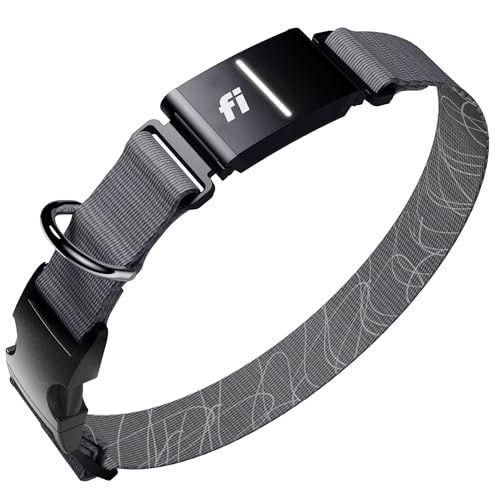
Fi Series 3 Smart Dog Collar
A home base station lets this collar sleep while a dog stays in the yard, waking its cellular radio only once it leaves. That approach stretches battery life to weeks instead of days. Chew-resistant construction and swim-rated sealing suit the active dogs that need tracking most.
Pros
- Outstanding battery life for a cellular tracker
- Rugged, chew-resistant collar for active dogs
- Sends alerts when a dog leaves its home zone
Cons
- Locks owners into the Fi collar itself
- Still requires a subscription for tracking

Whistle Go Explore 2.0 GPS Pet Tracker
Behavior tracking sets this tracker apart, logging licking, scratching, sleep, and activity to flag changes early. Owners report that insight as the reason they keep paying for it. Waterproof construction and a built-in night light add practical extras for evening walks.
Pros
- Detailed activity and behavior reporting over time
- Strong battery life for a clip-on unit
- Built-in night light helps after dark
Cons
- Subscription costs more than Tractive’s plan
- Bulky fit on smaller breeds

Garmin Alpha 200i Handheld with TT 15 Dog Device
A handheld radio unit replaces the phone app entirely, which is exactly why hunters and backcountry hikers choose it. Tracking keeps working across miles of terrain with zero mobile coverage. InReach satellite messaging on the handheld adds a real safety net for the owner, not just the dog.
Pros
- Works completely without mobile coverage
- Very long tracking range in open terrain
- No monthly fee for basic dog tracking
Cons
- Far higher upfront cost than app-based trackers
- Handheld unit is another device to carry and charge

Jiobit Smart Tag Tracker
A noticeably smaller, lighter build suits a terrier or any dog under about ten kilograms that a bulkier unit would unbalance. Combined cellular, GPS, and Bluetooth technology holds a location fix in more situations. Since Jiobit began as a tracker for children, some app language still reads that way.
Pros
- Small enough for toy and small breeds
- Multiple location technologies improve fix reliability
- Strong encryption and privacy protections
Cons
- App language leans toward tracking people
- Subscription required like other cellular trackers

SpotOn GPS Fence Collar
A satellite-based virtual fence you walk out and save replaces buried wire entirely, which suits large or unfenced acreage. Boundaries can be created anywhere, including a campsite away from home. Weight, cost, and battery drain climb fast once fence mode runs continuously.
Pros
- Creates a boundary anywhere without buried wire
- Combines containment and tracking in one collar
- Useful away from home, such as camping
Cons
- Heavy collar unsuited to small dogs
- Battery life drops sharply when fencing is active
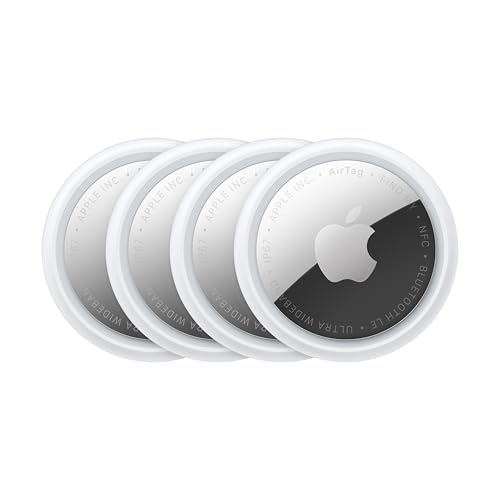
Apple AirTag
This is a Bluetooth tag, not a GPS tracker, so it cannot show a dog moving in real time. In a town it performs surprisingly well, since any nearby iPhone relays its location automatically. Open countryside with few people around leaves it silent for hours at a stretch.
Pros
- No subscription and about a year of battery life
- Performs well in built-up, populated areas
- Precise close-range finding on recent iPhones
Cons
- No live tracking and little use in open countryside
- Requires an iPhone and a separate collar holder
How to choose
Cellular, radio, or Bluetooth: which tracking technology fits your dog? Cellular trackers such as Tractive, Fi, and Whistle send location over the mobile network, working at any distance with coverage but needing a subscription. Handheld radio systems like the Garmin Alpha talk directly to the collar and work in wilderness with no signal, at a much higher upfront cost. Bluetooth tags depend on other phones passing nearby and cannot track a dog in motion. Match the technology to where a dog is likely to end up, not to price alone.
Why does update frequency matter most during an actual escape? A tracker reporting every few minutes works fine for confirming a dog stayed in the yard. That same interval becomes close to useless for following one running down a road. Live modes updating every few seconds exist on most cellular trackers but drain batteries fast, which is why manufacturers do not run them constantly. Check normal and live update intervals separately, since the marketed figure is usually the live one.
How much does battery life depend on how the collar is worn? A tracker sitting on a charger is not tracking a dog, and that is exactly when escapes happen. Devices that sleep while a dog stays inside a home zone, like Fi, stretch a single charge into weeks. Clip-on units that track continuously often need charging every few days instead. Collar width and weight compatibility matter too, since a unit sized for a Labrador will unbalance a small dog.
Is the subscription part of the real cost? Every cellular tracker needs an ongoing data plan, and that recurring cost exceeds the hardware price within a few years. Annual plans usually cost less per month, though some stay tied to a specific device. Radio systems and Bluetooth tags avoid the fee entirely, which remains their strongest argument despite real limitations.
Side by side
| # | Model | Technology | Best for | Score | Price |
|---|---|---|---|---|---|
| 1 | Tractive GPS Dog LTE Tracker | LTE cellular with GPS | Best overall | 9.4 | Check price |
| 2 | Fi Series 3 Smart Dog Collar | LTE cellular with GPS | Best for daily wear | 9.2 | Check price |
| 3 | Whistle Go Explore 2.0 GPS Pet Tracker | Cellular with GPS | Best for health monitoring | 9.0 | Check price |
| 4 | Garmin Alpha 200i Handheld with TT 15 Dog Device | Handheld radio, no cellular needed | Best for off grid tracking | 8.8 | Check price |
| 5 | Jiobit Smart Tag Tracker | Cellular, GPS and Bluetooth | Best for small dogs | 8.6 | Check price |
| 6 | SpotOn GPS Fence Collar | GPS with cellular tracking | Best for boundary training | 8.3 | Check price |
| 7 | Apple AirTag | Bluetooth via the Find My network | Best budget option | 8.0 | Check price |
Questions worth asking
Do dog GPS trackers need a monthly subscription?
Cellular trackers do, since they rely on mobile data to transmit location. Handheld radio systems such as the Garmin Alpha need no fee for basic dog tracking, and Bluetooth tags like the AirTag charge nothing at all. Factor that recurring plan into the true cost before buying.
Is an AirTag good enough for tracking a dog?
Only as a backup option. It carries no GPS chip and no live tracking, updating only when a nearby iPhone passes it. That works surprisingly well in a busy neighborhood but can report nothing for hours in rural areas. A dog that genuinely runs needs a cellular tracker instead.
How accurate are dog GPS trackers?
Most report accuracy within a few meters under open sky, degrading under heavy tree cover, in urban canyons, or indoors. Owners report the map usually narrows things down to the right property or field. Close-range Bluetooth or a light-and-sound feature finishes the search from there.
Will a GPS tracker survive a dog that swims?
The models here carry ratings for rain and immersion, though those ratings vary and none are built for diving. Salt water and long swims stress seals harder than a wet walk does. Rinsing and drying a unit after beach trips protects its charging contacts.
Can a GPS tracker replace a microchip?
No. A microchip provides permanent identification that a vet or shelter can scan regardless of battery status. A tracker can fall off or run out of charge entirely. Most owners of escape-prone dogs use both, plus a visible ID tag.
Which dog GPS tracker suits a small breed?
Weight and bulk decide the answer here. Jiobit stays the lightest cellular option in this lineup and suits dogs a Fi collar or SpotOn unit would weigh down. As a rule, a tracker should stay a small fraction of a dog’s body weight.
Do dog GPS trackers work outside mobile coverage?
Cellular trackers store or lose position once out of coverage, then report only after signal returns, which arrives too late during a chase. Anyone walking regularly in low-signal areas needs the Garmin Alpha handheld system instead, since it keeps working without mobile bars.
How long do dog tracker batteries actually last?
Clip-on cellular units typically run a few days to a week between charges. Fi stretches to weeks by sleeping while a dog stays home. Live tracking mode cuts any of them down to hours, and an AirTag runs about a year since it does far less work overall.
GPS tracker vs Bluetooth tag, what’s the real difference?
A GPS tracker calculates its own position using satellites and reports it over cellular or radio, working anywhere with coverage. A Bluetooth tag has no GPS chip and relies entirely on other nearby devices to relay its location. That difference decides whether a tool tracks a moving dog or just marks its last known spot.
The verdict
Tractive GPS Dog LTE remains the right buy for most households, delivering live tracking anywhere with mobile coverage for a modest ongoing fee. Fi Series 3 Smart Dog Collar solves the charging problem for owners who cannot manage it every few days. Anyone working dogs off grid should skip app-based trackers entirely and choose Garmin Alpha 200i.


