Fitness Smartwatches Compared on Battery and Tracking
Garmin’s Forerunner 265 leads on training depth, multi band GPS and a battery that lasts most of a week. The Apple Watch Series 10 suits iPhone owners who want fitness plus everything else. COROS PACE 3 delivers serious running features at a lower price.
Garmin’s Forerunner 265 combines multi band GPS, a bright AMOLED display and training analysis that goes well beyond step counting, all while lasting the better part of a week between charges. The Apple Watch Series 10 answers best for iPhone owners who want fitness alongside a full smartwatch. COROS PACE 3 offers most of the serious running features for considerably less.
Fitness watch marketing tends to emphasise features almost nobody uses, while battery life, GPS accuracy under trees, and whether training data actually says anything useful get buried. Platform matters too, since some watches lose capability paired with the wrong phone. We compared GPS chipsets and multi band support, optical heart rate and extra sensors, real battery life in daily and GPS modes, training load and recovery depth, and Android versus iPhone behaviour. Owners report that battery anxiety and inconsistent GPS are the two things that make people abandon a watch.
Before you buy
Which phone do you own, and does the watch even work with it? Platform compatibility eliminates options before anything else does. The Apple Watch works only with an iPhone, full stop. Samsung’s watches work with any Android phone but reserve some features for Samsung handsets. Garmin, COROS, Amazfit and Fitbit work with both platforms, though notification handling and reply options tend to be richer on Android. A platform neutral brand saves replacing the watch too if a phone switch is likely.
Why does multi band GPS matter for accuracy? Single band GPS works fine in open country and turns unreliable among tall buildings or under dense tree cover, where reflected signals produce a wandering track that makes a run look longer or shorter than it was. Multi band or dual frequency receivers use two signals from each satellite and reject those reflections, a genuine step change rather than a marketing claim. Anyone training in a city or on wooded trails should prioritise this spec.
How should I read battery life claims? Quoted figures usually describe smartwatch mode with the display and features dialled back, not how most people actually use a watch. Look instead at GPS runtime, which determines whether a watch survives a long event, and realistic daily use with the always on display active, often half the headline figure. A watch that needs nightly charging is fine if charged in the shower, but it will not capture sleep data on the nights that get forgotten.
Which training metrics are worth paying attention to? Beyond step counts, useful watches estimate training load, recovery status and readiness by combining workout intensity, heart rate variability and sleep. Used consistently, these estimates can genuinely help prevent overtraining, though they should inform decisions rather than dictate them. Optical wrist heart rate stays reliable for steady effort and less so for intervals, where a chest strap performs considerably better. Most sports watches pair with a strap over Bluetooth, worth doing for anyone training by heart rate zones.
The shortlist, ranked

Garmin Forerunner 265
Serious training without daily charging is the balance this watch strikes. Multi band GPS holds a track through city streets and tree cover where single band watches wander, and training readiness and load metrics give genuinely actionable guidance. An AMOLED screen finally brings display quality up to par without the expected battery penalty.
Pros
- GPS accuracy holds up under trees and buildings
- Training analysis is genuinely useful
- Week long battery in daily use
Cons
- Smartwatch features trail Apple and Samsung
- No offline maps at this level

Apple Watch Series 10
iPhone owners who want fitness tracking without giving up notifications, payments and apps land here first. The sensor suite is broad, ECG and irregular rhythm notification are well implemented, and the display beats everything else on this list. Battery is the compromise, realistically meaning a charge every day or close to it.
Pros
- Best in class smartwatch experience
- Broad and well implemented health sensors
- Excellent display and build
Cons
- Needs charging daily
- Does not work with Android at all

COROS PACE 3
COROS built its reputation on battery life, and this watch runs for weeks in daily use and a very long time with GPS active. It stays light enough to forget on the wrist, supports dual frequency GPS, and covers the training metrics most runners actually check. Software polish and ecosystem size trail Garmin, which is the trade for the lower price.
Pros
- Outstanding battery life
- Light enough for sleep tracking comfort
- Dual frequency GPS at this price
Cons
- Smaller app and ecosystem
- Interface is less refined than rivals

Samsung Galaxy Watch7
Android users, particularly on a Samsung phone, get the closest equivalent to the Apple Watch experience here, with a strong display, full smartwatch functions and a comprehensive sensor package including body composition estimation. Fitness tracking stays competent rather than specialist, suiting general training more than structured endurance work. Battery lands around a day and a half.
Pros
- Full smartwatch experience on Android
- Broad health sensor suite
- Excellent display quality
Cons
- Some features limited to Samsung phones
- Battery is short for endurance events

Google Pixel Watch 3
Google’s smartwatch software pairs with Fitbit’s health tracking here, a strong combination for sleep analysis and daily readiness. Design stays more subtle than most sports watches, which suits wearing it constantly. Serious endurance athletes are not the target, and some deeper Fitbit analysis sits behind a subscription.
Pros
- Strong sleep and readiness analysis
- Discreet design for all day wear
- Clean Wear OS software
Cons
- Some analysis requires a subscription
- Battery needs daily charging

Amazfit Balance
Amazfit undercuts the big names substantially while still offering dual band GPS, a bright AMOLED display and battery measured in weeks rather than days. Sports tracking spans a wide range of activities, and readiness scoring stays reasonable. Software polish and long term ecosystem support trail the established brands, which is a fair trade to weigh.
Pros
- Very long battery life for the price
- Dual band GPS included
- Works with both phone platforms
Cons
- App polish trails Garmin and Apple
- Long term software support less certain
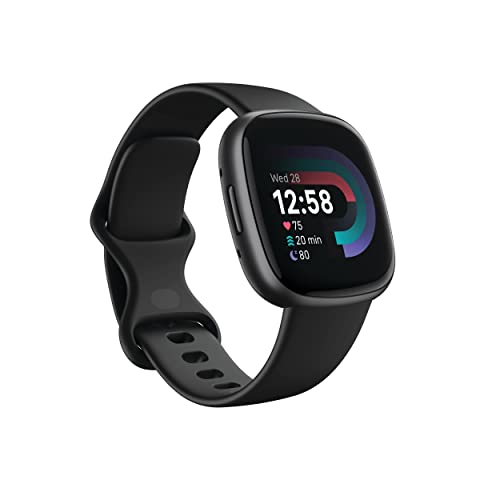
Fitbit Versa 4
General fitness rather than structured training is the goal here, and clear activity summaries, solid sleep tracking and a simple interface deliver on it. Battery runs several days, more forgiving than the flagship smartwatches. GPS comes built in but trails multi band units on accuracy, and deeper insights need a subscription.
Pros
- Very approachable for non athletes
- Good sleep tracking presentation
- Multi day battery
Cons
- GPS accuracy trails dedicated sports watches
- Best insights require a subscription
Compared at a glance
| # | Model | GPS | Best for | Score | Price |
|---|---|---|---|---|---|
| 1 | Garmin Forerunner 265 | Multi band with satellite mix | Best overall | 9.4 | Check price |
| 2 | Apple Watch Series 10 | iPhone only | Best for iPhone owners | 9.2 | Check price |
| 3 | COROS PACE 3 | Dual frequency | Best value for runners | 9.0 | Check price |
| 4 | Samsung Galaxy Watch7 | Android, best with Samsung phones | Best for Android | 8.8 | Check price |
| 5 | Google Pixel Watch 3 | Android | Best health tracking on Android | 8.6 | Check price |
| 6 | Amazfit Balance | Dual band | Best battery for the money | 8.3 | Check price |
| 7 | Fitbit Versa 4 | General fitness and wellness | Best for everyday fitness | 8.0 | Check price |
Frequently asked questions
Which fitness smartwatch has the best battery life?
COROS PACE 3 and Amazfit Balance lead by a wide margin among these seven, running for weeks rather than days. Garmin sits in the middle at around a week. The Apple Watch and Pixel Watch need charging roughly daily, the trade for full smartwatch capabilities.
Do I need multi band GPS for running?
Only if training happens where signal reflects, meaning cities with tall buildings or dense tree cover. Single band GPS is accurate enough in open country. Routes that regularly cut corners or show running through buildings point to a multi band upgrade.
Are wrist heart rate sensors accurate?
They perform well for steady state effort and resting measurements, and noticeably worse during intervals, weight training or anything with sharp changes in intensity or wrist movement. A chest strap stays considerably more accurate for interval work, and fit matters too, since a loose watch produces poor readings.
Can I use an Apple Watch with an Android phone?
No, the Apple Watch requires an iPhone for setup and ongoing use, with no Android support at all. Android users should look at Samsung, Google, Garmin, COROS, Amazfit or Fitbit instead.
Do fitness smartwatches need a monthly subscription?
Garmin, COROS and Amazfit provide full analysis at no ongoing cost. Fitbit and the Pixel Watch place some deeper insights behind a subscription, and Apple’s fitness service stays optional but adds guided workouts.
Are these fitness watches waterproof for swimming?
All seven models handle swimming, with water resistance ratings suited to pool and open water use. Check the specific rating before diving or using one in a hot tub, where heat and chemicals affect seals, and rinse in fresh water after sea swimming.
How accurate is sleep tracking on a fitness watch?
It performs reasonably well on total sleep time and quite roughly on sleep stage breakdown, which gets estimated from movement and heart rate rather than measured directly. Treat the trends as more meaningful than any single night. A light, comfortable watch with multi day battery matters most here, since overnight wear is required.
Running watch vs smartwatch: which is better for training?
For structured endurance training, a dedicated running watch wins on GPS accuracy, battery length and training analysis depth. For general fitness alongside daily smartwatch use, an Apple Watch or Galaxy Watch is more versatile. The right pick depends on whether the watch is primarily a training tool or a wrist computer.
What is the best fitness smartwatch for beginners?
The Fitbit Versa 4 suits beginners best, since its clear activity summaries and simple interface do not require any training background to read. Multi day battery also forgives inconsistent charging habits common early on.
Our pick
Garmin’s Forerunner 265 stands out as the best all round fitness smartwatch here because it pairs accurate multi band GPS and genuinely useful training analysis with battery that lasts most of a week. iPhone owners who want one device for everything should take the Apple Watch Series 10 and accept nightly charging. COROS PACE 3 delivers dual frequency GPS and enormous battery life for far less when value matters most and running is the focus.