How to Choose a Foam Roller for Sore Muscles and Tight Spots
The TriggerPoint GRID leads for its durable hollow core and balanced firmness that suits most bodies. Choose the RumbleRoller when you want aggressive deep tissue pressure, or the OPTP PRO-Roller for clinic grade durability and a full length smooth surface.
Most people do well with the TriggerPoint GRID, since its hollow core resists flattening and its texture works for everyday recovery. Athletes chasing deeper pressure should look at the RumbleRoller, while clinics and therapists tend to reach for the OPTP PRO-Roller.
Firmness that feels great to an experienced athlete can be genuinely painful for someone new to rolling. A roller built from soft foam also loses its shape within months of regular use. To separate the durable performers from the ones that flatten, we compared density, surface texture, core construction and size, then weighed those specs against what owners report after months of recovery sessions.
The top picks, ranked

TriggerPoint GRID Foam Roller
A hollow rigid core sits inside a multi density surface that mimics a real massage without turning painful. Owners report it holds its shape for years, long after cheaper foam has flattened. Moderate firmness makes it versatile for daily recovery and pre workout warm ups.
Pros
- Hollow core resists flattening over years of use
- Moderate firmness suits most bodies and routines
- Multi density surface targets tight tissue well
Cons
- Firmer than some sensitive beginners prefer
- Shorter than full length smooth rollers

RumbleRoller Deep Tissue Foam Roller
Firm flexible bumps dig into muscle far more aggressively than a smooth surface, closer to a therapist’s fingertips than a plain cylinder. Experienced users value the intense release it delivers on tight backs and legs. Newcomers often find it overwhelming at first and start with the medium firm version instead.
Pros
- Firm bumps reach deep into stubborn muscle knots
- Full 22 inch length covers back and legs
- Holds its firmness through years of regular use
Cons
- Too intense for many first time users
- Not suited to light, gentle recovery sessions

OPTP PRO-Roller Soft Density Foam Roller
Physical therapy clinics favor this smooth roller for its consistent density and long service life. Owners report it resists deforming even under daily clinic use. A softer build makes it approachable for rehab and balance work, though the smooth surface offers less targeted texture than a grid roller.
Pros
- Consistent density holds up under daily clinic use
- Full 36 inch length supports spine alignment
- Softer feel suits rehab and balance training
Cons
- Smooth surface targets tissue less than textured rollers
- Long size takes up more storage room

321 STRONG Foam Roller
A triple grid texture at a friendly price makes this an approachable entry point for anyone new to rolling. Owners find the medium firmness comfortable on tight muscles without feeling harsh. Its solid core flexes a little more than premium hollow core rollers under heavier users.
Pros
- Medium firmness is approachable for new users
- Triple grid texture at a modest price
- Comfortable enough for daily first time rolling
Cons
- Solid core is less rigid under heavy users
- Texture is milder than aggressive rollers
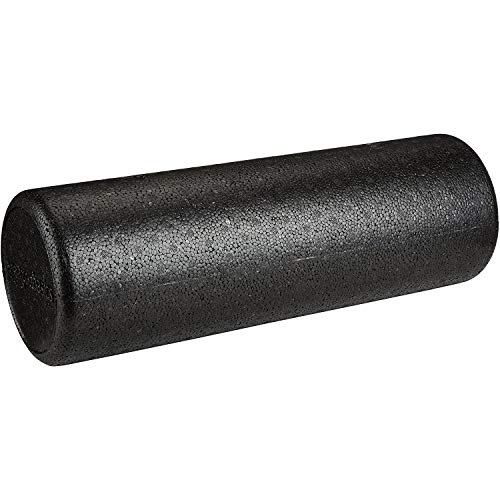
LuxFit Premium High Density Foam Roller
Molded polypropylene foam gives this smooth roller a firm, high density feel that covers the basics of stretching and recovery. Owners appreciate that it keeps its shape far better than soft foam blocks. That firmness can feel intense for someone rolling for the first time.
Pros
- High density foam holds its shape well
- Affordable and stocked at most retailers
- Smooth surface wipes clean easily
Cons
- Very firm feel is intense for beginners
- No texture for targeting trigger points

Gaiam Restore Total Body Foam Roller
A lightly textured surface at moderate firmness suits yoga, stretching and gentle recovery more than deep tissue work. Guided rolling exercises come bundled in for newcomers still learning technique. Softer construction means less pressure than a firm grid or bumped roller delivers.
Pros
- Gentle firmness suits yoga and stretching routines
- Light texture eases newcomers into rolling
- Includes access to guided rolling exercises
Cons
- Softer feel limits deep tissue pressure
- Less rugged construction than rigid core rollers
Amazon Basics High-Density Foam Roller
This no frills smooth cylinder covers the essentials of stretching and recovery at a low price. Owners find it a solid starter or travel roller that keeps its shape reasonably well. Its plain firm surface skips the texture and long term durability of premium options.
Pros
- Low price for basic recovery rolling
- Available in multiple length options
- Firm foam holds shape reasonably well
Cons
- Plain surface offers no targeted texture
- Less durable over time than premium rollers
How to choose
Smooth, textured or grid: which surface fits you? Smooth rollers spread pressure evenly, making them the gentlest entry point for beginners and rehab work. Grid and textured surfaces add ridges that concentrate pressure on tight spots. Aggressively bumped rollers dig deepest into stubborn knots, a texture that can overwhelm someone new to rolling.
How firm should your foam roller be? Higher density foam delivers more intense pressure and holds its shape longer, which is why premium rollers lean on rigid cores. Softer foam forgives sensitive areas and rehab work but flattens faster under heavier users. Most beginners do best starting medium, then moving firmer as tissue adapts.
What makes a foam roller core last? Hollow rigid cores and molded closed cell foam resist deforming far better than cheap soft foam. Inexpensive soft rollers commonly lose their shape within months, according to owner reports. A durable core is worth prioritizing over a lower price if rolling becomes a regular habit.
What size foam roller do you actually need? A 36 inch roller supports the whole spine and works well for stretches and balance drills. Shorter 12 to 18 inch rollers travel easily and target smaller muscle groups. Diameter matters too, since a larger one gives broader, gentler contact and a smaller one concentrates pressure.
The lineup, side by side
| # | Model | Type | Best for | Score | Price |
|---|---|---|---|---|---|
| 1 | TriggerPoint GRID Foam Roller | Grid textured | Best overall | 9.4 | Check price |
| 2 | RumbleRoller Deep Tissue Foam Roller | Aggressive textured | Best for deep tissue | 9.1 | Check price |
| 3 | OPTP PRO-Roller Soft Density Foam Roller | Smooth | Best for professionals | 9.0 | Check price |
| 4 | 321 STRONG Foam Roller | Grid textured | Best for beginners | 8.7 | Check price |
| 5 | LuxFit Premium High Density Foam Roller | Smooth | Best value | 8.5 | Check price |
| 6 | Gaiam Restore Total Body Foam Roller | Lightly textured | Best for yoga and stretching | 8.3 | Check price |
| 7 | Amazon Basics High-Density Foam Roller | Smooth | Best budget | 8.0 | Check price |
Good to know
What firmness foam roller should a beginner buy?
Medium firm smooth or lightly textured rollers suit most beginners, since very firm or heavily bumped designs can feel painful at first. Progressing to firmer foam as muscles adapt makes rolling more effective over time.
What is the difference between a smooth and a textured foam roller?
Smooth rollers apply even, gentle pressure suited to beginners and rehab. Textured or grid rollers add ridges that concentrate pressure for a deeper release, though that intensity can feel like too much for sensitive users.
How long should you foam roll each muscle?
Most guidance points to 30 to 60 seconds per muscle group, pausing on tender spots without pushing through sharp pain. Rolling slowly while breathing steadily lets the muscle actually relax.
Are firmer foam rollers better than soft ones?
Firmer rollers reach deeper and tend to last longer, which experienced users often prefer, but firmness is not automatically better. Beginners and sensitive muscles usually do better starting soft, so comfort should guide the choice.
What size foam roller should you buy?
A 36 inch roller supports the whole spine and suits stretching and balance work. A 12 to 18 inch roller stores and travels more easily while still targeting specific muscles.
Can foam rolling actually help with muscle soreness?
Many people use foam rolling to ease tightness and improve range of motion around exercise, and owners commonly report feeling looser afterward. It works as self massage rather than a cure, so pairing it with rest still matters.
How often should you use a foam roller?
Short daily sessions are fine, and many people roll before workouts to warm up and after to aid recovery. Rolling the same tender spot too aggressively or too often can increase soreness instead of relieving it.
Do foam rollers lose their firmness over time?
Cheaper soft foam rollers can flatten within months of regular use. Rollers built around a hollow rigid core or dense molded foam, like the TriggerPoint GRID, hold their shape far longer.
Is a textured foam roller worth it for deep tissue work?
Textured and aggressively bumped rollers concentrate pressure to reach deeper knots, which experienced users find effective for stubborn tightness. Easing in with a medium texture before going aggressive is the safer approach for newcomers.
Final word
The TriggerPoint GRID is the roller most people should buy first, pairing a durable hollow core with balanced texture for everyday recovery. Reach for the RumbleRoller when you need deeper release, and choose the OPTP PRO-Roller when clinic grade durability and a full length smooth surface matter most.