Top Gaming Phones for Every Budget and Play Style
The Asus ROG Phone 8 Pro is our top pick for serious gamers, offering the most powerful cooling system and dedicated gaming features. Its main limitation is the high price, but for those who prioritize performance above all, it is the ultimate choice.
Mobile gaming has evolved from casual pastime to competitive arena. The right phone can be the difference between victory and defeat, offering smooth graphics, responsive controls, and endurance for marathon sessions.
We’ve analyzed the current market to bring you seven gaming phones that excel in different ways. From budget-friendly options to premium flagships, each has its strengths. Our recommendations are based on specifications and user reports, so you can choose with confidence.
The shortlist, ranked

Asus ROG Phone 8 Pro
The ROG Phone 8 Pro is a beast built for gaming. It features a 6.78-inch AMOLED display with a 165Hz refresh rate, Snapdragon 8 Gen 3 processor, and a massive 5500mAh battery. Its unique cooling system includes an AeroActive Cooler X, and the AirTrigger ultrasonic buttons offer console-like control.
Pros
- Exceptional performance with no throttling
- AirTrigger buttons provide precise control
- Long battery life with fast charging
Cons
- Heavy and bulky design
- Premium price tag

Samsung Galaxy S24 Ultra
The Galaxy S24 Ultra combines powerful gaming with a superb camera system. It runs on Snapdragon 8 Gen 3 for Galaxy, boasts a 6.8-inch Dynamic AMOLED 2X display with 120Hz refresh rate, and a 5000mAh battery. The S Pen adds extra functionality, and the phone excels in productivity as well.
Pros
- Outstanding display quality
- Excellent camera for non-gaming use
- S Pen support for added utility
Cons
- Gaming features are not as specialized
- Charging speed is slower than rivals
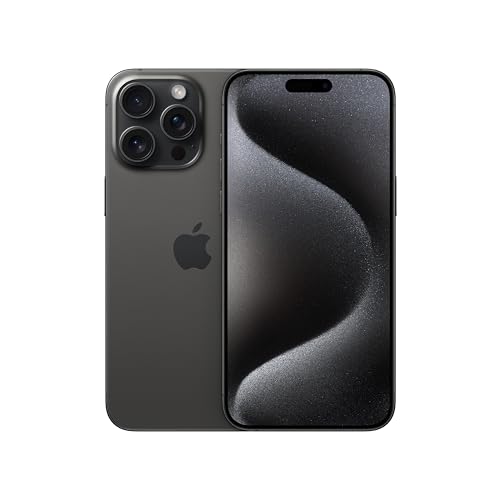
Apple iPhone 15 Pro Max
The iPhone 15 Pro Max delivers impressive gaming performance with its A17 Pro chip and ProMotion display. It has a 6.7-inch Super Retina XDR display with 120Hz refresh rate, a long-lasting battery, and the new Action button can be customized for gaming. The phone also supports console-quality games.
Pros
- Superb performance with console-level games
- Efficient battery life
- Seamless integration with other Apple devices
Cons
- No high refresh rate beyond 120Hz
- Limited cooling for extended sessions

Nubia RedMagic 9 Pro
The RedMagic 9 Pro offers flagship gaming specs at a mid-range price. It features a 6.8-inch AMOLED display with 120Hz refresh rate, Snapdragon 8 Gen 3, and a 6500mAh battery. The built-in fan and ICE 12 cooling system keep temperatures low, and shoulder triggers enhance gameplay.
Pros
- Aggressive pricing for the specs
- Huge battery capacity
- Excellent cooling system
Cons
- Software lacks polish
- Camera quality is mediocre

OnePlus 12
The OnePlus 12 is known for its stunning 6.82-inch LTPO AMOLED display with a 120Hz refresh rate and peak brightness of 4500 nits. Powered by Snapdragon 8 Gen 3, it delivers smooth gaming. The 5400mAh battery supports 100W fast charging, and the phone runs OxygenOS which is bloatware-free.
Pros
- Bright and colorful display
- Fast charging is a time-saver
- Clean and responsive software
Cons
- No expandable storage
- Camera is good but not top-tier

Xiaomi 14 Pro
The Xiaomi 14 Pro packs a Snapdragon 8 Gen 3, a 6.73-inch AMOLED display with 120Hz refresh rate, and a 4880mAh battery. Its Leica-tuned camera system is excellent for taking photos between gaming sessions. The phone also features HyperOS which is optimized for gaming.
Pros
- Compact design for easier handling
- Top-tier camera performance
- Good thermal management
Cons
- Battery is smaller than rivals
- HyperOS still has some bugs

Google Pixel 8 Pro
The Pixel 8 Pro runs on Google’s Tensor G3 chip, which is optimized for AI tasks. It has a 6.7-inch LTPO OLED display with 120Hz refresh rate and a 5050mAh battery. The phone offers a pure Android experience with guaranteed updates. While not the absolute fastest, it handles most games smoothly.
Pros
- Clean Android with fast updates
- AI features enhance gaming
- Excellent camera
Cons
- Gaming performance lags behind Snapdragon
- Charging speed is slow
Side by side
| # | Model | Processor | Best for | Score | Price |
|---|---|---|---|---|---|
| 1 | Asus ROG Phone 8 Pro | Snapdragon 8 Gen 3 | Hardcore gamers who want the ultimate performance and dedicated gaming features | 9.4 | Check price |
| 2 | Samsung Galaxy S24 Ultra | Snapdragon 8 Gen 3 for Galaxy | Gamers who want a versatile flagship with top-notch display and camera | 9.2 | Check price |
| 3 | Apple iPhone 15 Pro Max | A17 Pro | Apple users who want a powerful gaming phone with a great ecosystem | 9.0 | Check price |
| 4 | Nubia RedMagic 9 Pro | Snapdragon 8 Gen 3 | Gamers on a budget who refuse to compromise on performance | 8.8 | Check price |
| 5 | OnePlus 12 | Snapdragon 8 Gen 3 | Gamers who want a fast, clean experience with a great display | 8.7 | Check price |
| 6 | Xiaomi 14 Pro | Snapdragon 8 Gen 3 | Gamers who want a compact flagship with Leica optics | 8.5 | Check price |
| 7 | Google Pixel 8 Pro | Google Tensor G3 | Gamers who value clean Android and AI features | 8.3 | Check price |
What matters most
Good to know
What makes a phone good for gaming?
A good gaming phone needs a powerful processor, a high refresh rate display, an efficient cooling system, and a long-lasting battery. Features like shoulder triggers and gaming modes also enhance the experience.
Do I need a dedicated gaming phone?
Not necessarily. Many flagship phones like the Samsung Galaxy S24 Ultra or iPhone 15 Pro Max handle gaming very well. Dedicated gaming phones offer extra features like active cooling and shoulder buttons, but they may lack other qualities like camera performance.
Is 120Hz refresh rate enough for gaming?
Yes, 120Hz is more than sufficient. Higher refresh rates like 165Hz on the ROG Phone 8 Pro provide even smoother motion, but the difference is subtle to most users. 120Hz is the sweet spot for a balance between performance and battery life.
How important is battery capacity for gaming?
Battery capacity is very important because gaming drains the battery quickly. A 5000mAh battery is a good baseline, but if you game for long periods, consider phones with 5500mAh or more. Fast charging is also beneficial for quick top-ups.
Can I use a regular phone case with a gaming phone?
Yes, but some gaming phones have unique designs with additional buttons or cooling vents. Cases are often available that accommodate these features. Check if the case is compatible with your specific model.
Which gaming phone has the best camera?
The Samsung Galaxy S24 Ultra and Xiaomi 14 Pro have excellent cameras. The iPhone 15 Pro Max is also strong. If camera quality is a priority, you might choose one of these over a dedicated gaming phone.
Are gaming phones good for everyday use?
Yes, they are. They run Android, so you can use all apps. Some have aggressive designs that might not appeal to everyone, but they function well as daily drivers. The main trade-off is often size and weight.
How long do gaming phones last?
With proper care, a gaming phone can last 3 to 5 years. Battery degradation is the main issue. Software updates also matter, so phones like the Pixel 8 Pro with 7 years of updates offer longevity.
What is the price range for gaming phones?
Gaming phones range from around current price for budget options to over current price for flagship models. The RedMagic 9 Pro offers good value, while the ROG Phone 8 Pro is at the higher end.
Do gaming phones support 5G?
Yes, all modern gaming phones support 5G. This ensures low latency for online gaming and fast download speeds.
The verdict
If you are a serious gamer who wants the best possible performance and features, the Asus ROG Phone 8 Pro is the clear winner. For those who want a versatile device that excels in gaming and daily tasks, the Samsung Galaxy S24 Ultra is an excellent choice. If budget is a concern, the Nubia RedMagic 9 Pro offers incredible value without sacrificing performance.


