Garden Hand Tools That Survive More Than One Season
The Felco F-2 Classic Hand Pruner leads because every wearing part can be replaced instead of throwing the tool away. The Fiskars Big Grip Garden Trowel is the value pick for its one piece cast head, and the Nisaku NJP650 Hori Hori is the single most versatile digging tool here.
If you buy one good garden tool, make it the Felco F-2 Classic Hand Pruner, because sharp secateurs change how pruning feels and this one is fully rebuildable. For digging, the Fiskars Big Grip Garden Trowel and the Nisaku NJP650 Hori Hori cover almost everything between them.
Most garden hand tools fail in the same place: the joint where a stamped steel head is riveted or crimped into a hollow handle. That joint flexes, loosens and eventually snaps, usually while levering out a root. One piece cast or forged construction avoids the problem entirely. We compared head and blade materials, whether the tool is one piece or assembled, availability of replacement parts, and handle shape, then weighed those against what owners report about bending, rusting and blister formation over a full season.
What to look for
One piece construction is the difference that lasts The most common failure point in a hand tool is the joint between a stamped head and a hollow handle, held together with a rivet or a crimp. Under leverage that joint works loose and then snaps. Tools cast or forged as a single piece have nothing to separate. When a listing shows a tool with a visible collar where the handle meets the blade, look for a stated tang or a one piece construction claim before buying.
Match the metal to your soil and your habits Stainless resists rust and releases soil cleanly, which suits clay and gardeners who leave tools out. Carbon steel takes and holds a sharper edge, which matters on cutting tools, but it will rust if left wet. Cast aluminium never rusts and is light, though it cannot hold a cutting edge. There is no single best metal, only a match between what you dig and how diligent you are about drying tools.
Buy tools whose parts you can replace Pruners wear out at the blade, spring and pivot, all of which are replaceable on well supported brands. A pruner with available parts stays in service through several blade changes, while a sealed one goes in the bin when it dulls. Before buying any cutting tool, check whether replacement blades and springs are actually listed for that model. That single check separates a decade of use from two seasons.
Look after the edge and the handle Clean soil and sap off blades after use, dry carbon steel and give it a light oil, and touch up pruner edges with a fine file or a diamond stone rather than waiting for them to go blunt. Wooden handles benefit from linseed oil once or twice a year to stop them drying and splitting. Ten minutes of maintenance across a season does more for tool life than paying more at purchase.
The best picks, ranked

Felco F-2 Classic Manual Hand Pruner
A bypass pruner with hardened steel blades, a replaceable cutting blade, spring, anvil blade and adjustment nut, so a worn tool gets rebuilt rather than binned. The forged aluminium handles keep weight down without flexing. Owners routinely report keeping the same pair working for decades through parts replacement.
Pros
- Every wearing part is replaceable
- Clean bypass cut that heals well
- Forged handles resist flexing under load
Cons
- One handle size does not suit small hands
- Requires regular sharpening to stay clean cutting

Fiskars Big Grip Garden Trowel
A cast aluminium head and handle in one continuous piece, which removes the weak joint that ends most trowels. The oversized grip spreads pressure across the palm rather than concentrating it in the web of the thumb. It handles compacted soil and root work that would bend a stamped steel blade.
Pros
- No head to handle joint to fail
- Large grip reduces hand fatigue
- Aluminium head does not rust
Cons
- Wide grip is bulky for small hands
- Blade edge is blunt for cutting roots

Nisaku NJP650 Hori Hori Weeding Knife
A stainless Japanese soil knife with a straight edge on one side, a serrated edge on the other and depth graduations along the blade. It digs, cuts roots, divides perennials, opens bags and prises weeds out whole. Most people who own one stop reaching for a trowel almost entirely.
Pros
- Replaces several tools in one
- Serrated edge cuts through roots
- Depth marks help with bulb planting
Cons
- Sharp enough to need a sheath and care
- Wooden handle needs occasional oiling

Corona ClassicCUT BP 3180 Bypass Pruner
A bypass pruner with a wider handle span and a self cleaning sap groove that keeps the blades from gumming up on conifers and fruit wood. The blade is replaceable, though the parts range is narrower than Felco’s. It is a comfortable everyday pruner for people who find slimmer handles cramped.
Pros
- Comfortable for larger hands
- Sap groove keeps blades running clean
- Blade can be replaced when worn
Cons
- Fewer replacement parts than the leader
- Handle span is too wide for small hands

Radius Garden 100 Ergonomic Hand Trowel
The handle turns upward into a rounded grip that keeps the wrist neutral instead of bending it back on every push, which matters for anyone with arthritis or repetitive strain. The blade is resin coated to shed soil. It works best in prepared beds rather than heavy clay.
Pros
- Keeps the wrist in a neutral position
- Coating helps soil release from the blade
- Comfortable grip for long sessions
Cons
- Less suited to hard compacted ground
- Coating chips over time on stony soil

Fiskars Ergo Garden Cultivator
A three tine cultivator for breaking crusted soil surfaces and dragging out shallow weeds without disturbing established roots. The one piece construction matches the trowel in the same range. It is a supporting tool rather than a first purchase, but it saves a lot of kneeling and hand pulling.
Pros
- Breaks surface crust quickly
- One piece build with no joint to loosen
- Comfortable grip shape
Cons
- Only useful at shallow depth
- Tines can catch on established roots
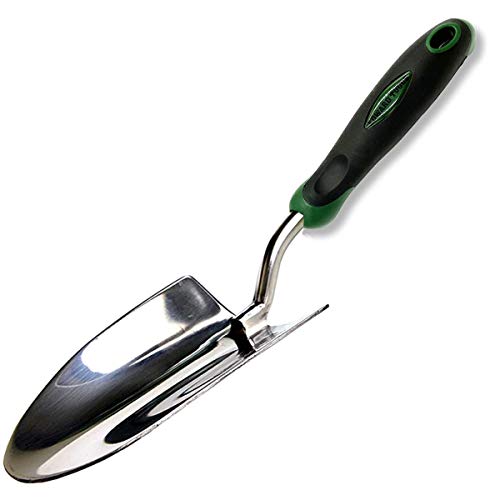
Edward Tools Bend-Proof Hand Trowel
A thick gauge carbon steel trowel with a heavier blade than typical entry level tools, aimed at people who keep bending cheaper ones. The steel needs drying after use to avoid surface rust. Based on specifications it is the heaviest blade here relative to its size.
Pros
- Thicker blade resists bending
- Simple, sturdy construction
- Hanging hole for shed storage
Cons
- Carbon steel rusts if left damp
- Heavier in the hand than aluminium tools
How they stack up
| # | Model | Type | Best for | Score | Price |
|---|---|---|---|---|---|
| 1 | Felco F-2 Classic Manual Hand Pruner | Bypass hand pruner | Best overall | 9.4 | Check price |
| 2 | Fiskars Big Grip Garden Trowel | Cast aluminium, one piece | Best value | 9.2 | Check price |
| 3 | Nisaku NJP650 Hori Hori Weeding Knife | Stainless steel, around 7 inches | Best all purpose digging tool | 9.0 | Check price |
| 4 | Corona ClassicCUT BP 3180 Bypass Pruner | Bypass hand pruner | Best for larger hands | 8.8 | Check price |
| 5 | Radius Garden 100 Ergonomic Hand Trowel | Carbon steel with resin coating | Best for wrist strain | 8.6 | Check price |
| 6 | Fiskars Ergo Garden Cultivator | Cast aluminium, one piece | Best for weeding between plants | 8.3 | Check price |
| 7 | Edward Tools Bend-Proof Hand Trowel | Heavy gauge carbon steel | Best budget | 8.0 | Check price |
Frequently asked questions
Which garden hand tools do I actually need to start?
A sturdy trowel, a pair of bypass pruners and something for weeding covers the vast majority of garden work. A hori hori knife can cover the trowel and the weeder together. Add a cultivator and a transplanting trowel once you know which jobs you repeat most.
What is the difference between bypass and anvil pruners?
Bypass pruners cut like scissors, with two blades passing each other, which leaves a clean cut on living stems. Anvil pruners crush the stem against a flat plate, which is fine for deadwood but damages green growth. For most pruning, choose bypass.
Are stainless steel tools better than carbon steel?
For digging tools, usually, because they shed soil and resist rust. For cutting tools, good carbon steel holds a sharper edge longer. The practical answer depends on whether you reliably clean and dry tools after use.
How do I stop my trowel bending?
Choose a one piece cast or forged tool rather than a stamped blade riveted into a handle, and use a fork or a hori hori for levering roots instead of the trowel. Most bending happens when a trowel is used as a pry bar rather than a scoop.
How often should I sharpen pruners?
Touch up the edge whenever cuts start tearing rather than slicing, which for regular use may be every few weeks in the growing season. A few strokes with a fine file on the bevel side is usually enough. Full resharpening is only needed if the edge has been chipped.
Do ergonomic handles really help?
For anyone with arthritis, tendon problems or long sessions, yes. Upturned handles keep the wrist neutral and wider grips spread pressure across the palm. For short bursts of light work the difference is smaller, but it costs nothing to choose the more comfortable shape.
How should I store hand tools over winter?
Clean off soil, dry thoroughly, oil carbon steel blades lightly and hang them rather than leaving them in a bucket where damp collects. Wooden handles should be dry before storage, and a coat of linseed oil before the tools go away prevents splitting.
Is a hori hori knife worth having?
For most gardeners, yes. It digs, cuts roots, plants bulbs to a measured depth, divides perennials and removes tap rooted weeds whole. It is genuinely sharp, so it needs a sheath and sensible handling around children.
The bottom line
The Felco F-2 Classic Hand Pruner is the tool most worth buying properly, because replaceable parts mean it stays in service long after other pruners are discarded. Pair it with the one piece Fiskars Big Grip Garden Trowel for planting, and add a Nisaku NJP650 Hori Hori if you want a single tool that handles digging, weeding and root cutting together.


