How to Set Up a Raised Garden Bed That Actually Drains
The Vego Garden metal bed leads for durability, pairing thick coated steel with a modular shape. The Land Guard Galvanized set offers the widest coverage for the money, and the Greenes Fence Cedar bed suits gardeners who want natural untreated wood.
The Vego Garden metal raised bed suits most gardeners best, backed by the Land Guard Galvanized set for covering a lot of ground cheaply and the Greenes Fence Cedar bed for a natural wood look.
Material choice drives how long a bed lasts, how hot the soil runs in summer, and whether it fits your yard’s look, while depth decides which crops actually thrive. We compared build materials and coatings, wall height, assembly effort, and how each bed holds up outdoors based on specifications. Owners report that galvanized steel and cedar last longest, while depth matters most for root vegetables.
How to pick the right one
What to look for in a raised garden bed Material drives cost, lifespan, and appearance more than any other factor. Galvanized and coated steel beds like the Vego Garden and Land Guard resist rust and last the longest with little upkeep. Cedar such as the Greenes Fence bed looks classic and resists rot naturally but weathers over the years. Resin planters like the Keter never rot but read as more utilitarian.
How deep should a raised bed be? Leafy greens, herbs, and many flowers grow well in 6 to 12 inches of soil. Root crops, tomatoes, and other deep feeders need 17 inches or more, which is where the taller Vego Garden and KING BIRD beds shine. Elevated standing planters trade depth for comfort, so keep them to shallow-rooted plants.
Best raised bed for small spaces vs large yards Elevated planters such as the Best Choice Products model or Keter Easy Grow fit patios, decks, and small footprints well. Large yards benefit more from wide sets like the Land Guard, which covers ground quickly. Modular metal kits like the Vego Garden adapt to odd-shaped spaces either way.
Assembly, placement, and filling with soil Most beds here bolt or screw together, while cedar options like the Greenes Fence bed use tool-free dovetail corners. Pick a spot with at least six hours of sun for most vegetables, and check that the ground sits roughly level. Larger and deeper beds need real soil volume, so estimate before buying, and fill the lower portion with coarse organic matter to save cost.
The shortlist, ranked

Vego Garden Modular Metal Raised Bed
Thick Aluzinc coated steel resists rust, and owners say it holds its shape season after season. Modular panels build several heights and footprints from one kit, which suits oddly shaped yards. The metal costs more upfront than wood or plastic beds.
Pros
- Thick coated steel resists rust and warping
- Modular panels fit many yard layouts
- Tall options give deep root room
Cons
- Higher cost than wood or plastic
- Panel edges need care during assembly
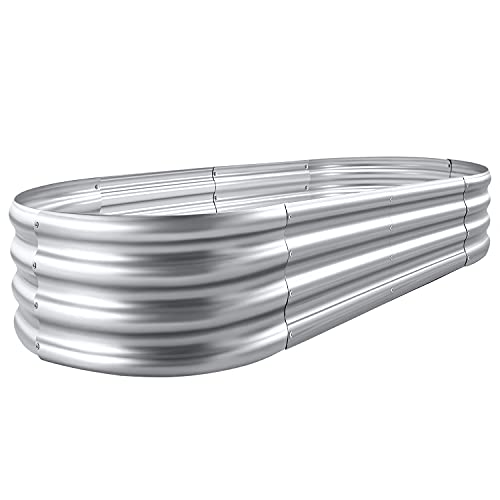
Land Guard Galvanized Raised Garden Bed
Wide planting coverage for the price makes this set a fast way to fill a garden. Galvanized metal resists corrosion, and an open bottom lets roots reach native soil. Wall height stays moderate, so very deep-rooted crops may want a taller bed instead.
Pros
- Lots of planting area for the price
- Corrosion-resistant galvanized panels
- Open bottom lets roots reach native soil
Cons
- Moderate depth for deep-rooted crops
- Metal walls warm soil in full sun

KING BIRD Galvanized Raised Garden Bed
Double-layer galvanized steel with reinforcing rods keeps the walls from bowing once filled with soil, owners report. A taller profile gives tomatoes and root vegetables plenty of room to spread. Its larger size takes more soil to fill, which is worth planning around.
Pros
- Tall walls suit deep-rooted crops
- Reinforcing rods prevent bowing
- Sturdy double-layer steel construction
Cons
- Needs a large volume of soil to fill
- Assembly takes longer than smaller beds

Greenes Fence Cedar Raised Garden Bed
Naturally rot-resistant cedar gives this bed a classic garden look without chemical treatments. Dovetail corners slot together tool-free, and the design expands as your garden grows. Untreated wood will gray and weather outdoors over the years.
Pros
- Naturally rot-resistant untreated cedar
- Tool-free dovetail corner assembly
- Expandable and stackable design
Cons
- Wood grays and weathers over time
- Shorter lifespan than galvanized metal
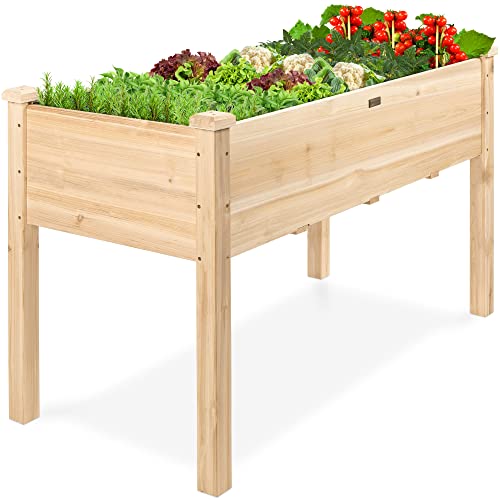
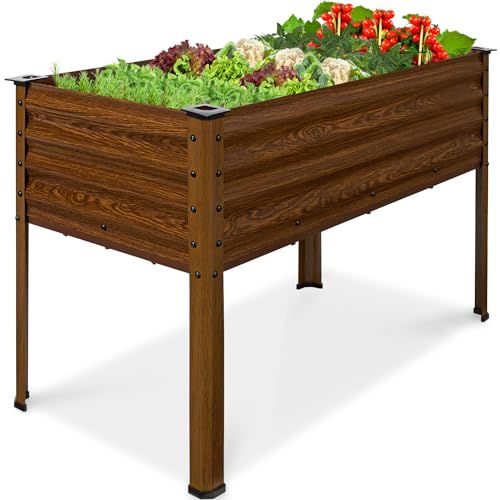
Best Choice Products Elevated Wood Planter
Waist-height planting reduces bending and kneeling, which owners appreciate most. A liner and drainage design protect the wood and help manage watering. Standing planters hold less soil than in-ground beds, so herbs, greens, and shallow crops fit best here.
Pros
- Waist height reduces bending and kneeling
- Included liner and drainage base
- Good for patios and small spaces
Cons
- Smaller soil volume than in-ground beds
- Best for shallow-rooted plants

Keter Easy Grow Elevated Planter
Weather-resistant resin will not rot, rust, or need sealing, unlike wood or untreated metal. A self-watering reservoir and built-in drainage keep upkeep simple on a patio or deck. Plastic construction looks practical rather than premium, and depth suits compact crops.
Pros
- Resin will not rot, rust or need sealing
- Self-watering reservoir eases upkeep
- Lightweight and easy to move
Cons
- Plastic look over natural materials
- Depth limits it to compact crops

Outsunny Wooden Raised Garden Bed
An affordable way into traditional framed gardening, this bed assembles with little fuss. Owners find it a simple starter for herbs and vegetables. Basic fir construction benefits from a protective finish and gentle care to extend its life.
Pros
- Affordable entry into raised-bed gardening
- Simple, quick assembly
- Traditional framed look
Cons
- Basic fir benefits from sealing
- Shorter lifespan without maintenance
How they stack up
| # | Model | Material | Best for | Score | Price |
|---|---|---|---|---|---|
| 1 | Vego Garden Modular Metal Raised Bed | Aluzinc coated steel | Best overall | 9.4 | Check price |
| 2 | Land Guard Galvanized Raised Garden Bed | Galvanized metal | Best value set | 9.1 | Check price |
| 3 | KING BIRD Galvanized Raised Garden Bed | Double-layer galvanized steel | Best for deep roots | 8.9 | Check price |
| 4 | Greenes Fence Cedar Raised Garden Bed | Untreated cedar | Best natural wood | 8.7 | Check price |
| 5 | Best Choice Products Elevated Wood Planter | Fir wood frame | Best elevated bed | 8.5 | Check price |
| 6 | Keter Easy Grow Elevated Planter | Weather-resistant resin | Best low-maintenance | 8.3 | Check price |
| 7 | Outsunny Wooden Raised Garden Bed | Fir wood | Best budget wood bed | 8.0 | Check price |
Good to know
What is the best material for a raised garden bed?
Galvanized and coated steel like the Vego Garden and Land Guard beds last longest with the least upkeep. Cedar such as the Greenes Fence bed is a strong natural-wood option, and resin planters like the Keter never rot.
How deep should a raised garden bed be?
Greens and herbs grow well in about 6 to 12 inches of soil, while root vegetables and tomatoes prefer 17 inches or more. The taller Vego Garden and KING BIRD beds fit deep-rooted crops best.
Are galvanized metal raised beds safe for growing food?
Yes, galvanized steel beds are widely used for vegetable gardens. The zinc coating stays stable in soil, and many owners have grown edibles in them for years without issue.
Do metal raised beds get too hot for plants?
Metal walls warm soil faster in direct sun, which helps in cool climates but calls for more frequent watering in hot ones. Mulching the surface helps keep soil temperature steady.
How much soil do I need to fill a raised bed?
It depends on footprint and depth, and taller beds like the KING BIRD need a large volume. Many gardeners fill lower layers with coarse organic matter and save quality soil for the top.
Which raised bed is best for a small patio?
Elevated standing planters such as the Best Choice Products wood planter or the Keter Easy Grow suit patios and decks well. Both raise the garden to a comfortable height for compact crops and herbs.
Do I need to line my raised garden bed?
Lining is optional. A liner slows moisture loss and protects wood, and elevated planters like the Best Choice Products model include one. Open-bottom in-ground beds usually skip liners so roots reach native soil.
How long do cedar raised beds last compared to metal?
Cedar lasts several years outdoors but grays and weathers over time, while galvanized steel resists corrosion for much longer with minimal maintenance. Keeping cedar off constantly wet ground extends its life.
Can I put a raised bed on grass or concrete?
Yes. On grass, open-bottom beds like the Land Guard set let roots reach soil below, and laying cardboard first helps smother weeds. On concrete, choose deeper beds or elevated planters with good drainage.
Are elevated raised beds good for vegetables?
Elevated beds work well for herbs, salad greens, and shallow-rooted vegetables, and they save your back from bending. Their smaller soil volume makes them less suited to deep-rooted crops.
Our pick
For most gardens the Vego Garden modular metal bed is the best overall pick, combining long-lasting coated steel with flexible shapes and depths. Choose the Land Guard Galvanized set for the most planting area per dollar, or the Greenes Fence Cedar bed for natural untreated wood. Decide on material and depth first, and the right bed for your yard becomes clear.