Shift Knobs Compared: Weighted vs Lightweight
The Mishimoto Weighted Shift Knob is the most broadly useful upgrade, adding mass that smooths gear changes on almost any manual. The Hurst 1630020 is the classic low cost swap with wide thread support, and the Raceseng Ashiko is the pick for drivers who want a precise machined feel.
A weighted knob such as the Mishimoto Weighted Shift Knob makes the biggest difference to how a manual gearbox feels, the Hurst 1630020 is the cheapest way to get a proper handful of shifter, and the Raceseng Ashiko is the machined option for drivers chasing precision. Fitment, not looks, decides which one will actually work in your car.
Shift knob shopping goes wrong for two reasons: thread pitch varies widely between manufacturers, and many cars use a reverse lockout collar or a locking button that a universal knob simply cannot operate. Weight changes the feel more than material does, and metal knobs get uncomfortable in extreme weather. We compared mass, supplied adapters, materials and shape against what owners report about fitment problems, then ranked knobs by how likely they are to fit and feel right.
The top picks, ranked

Mishimoto Weighted Shift Knob
The extra mass carries the lever across the gate, which reduces the notchiness many stock shifters have and makes fast changes feel more deliberate. It ships with multiple thread adapters, so it fits a broad range of manual cars without hunting for a separate insert.
Pros
- Noticeably smoother gear changes
- Adapters cover most manuals
- Well finished anodising
Cons
- Metal gets hot in summer sun
- Will not work with lockout collars

Hurst 1630020 Universal Shift Knob
The white ball knob that has been fitted to muscle cars for decades, supplied with several thread inserts so it lands on a wide range of shifters. The moulded material stays comfortable in heat and cold, which is a genuine advantage over aluminium in an open car.
Pros
- Comfortable in any temperature
- Wide thread coverage
- Low outlay for a real upgrade
Cons
- Too light to smooth a notchy box
- Plain look is not for everyone

Raceseng Ashiko Shift Knob
Machined from solid stock with a tapered profile that suits drivers who prefer to grip the sides rather than palm the top. Raceseng offers vehicle specific adapters, which is the reliable way to solve thread pitch and reverse lockout questions instead of hoping a universal insert works.
Pros
- Excellent machining quality
- Adapters solve awkward fitments
- Distinct tapered grip
Cons
- Adapter often a separate purchase
- Temperature swings are noticeable
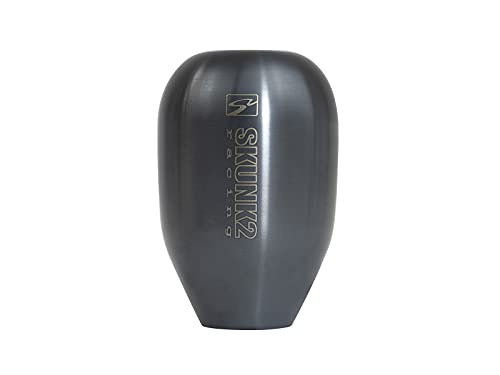
Skunk2 627-99-0060 Weighted Shift Knob
A weighted cylindrical knob long associated with Honda and Acura builds, where the added mass pairs well with short throw kits. The straight sided profile gives the hand a consistent grip whether you push forward or pull back, which suits quick changes.
Pros
- Weight suits short throw shifters
- Consistent grip surface
- Durable finish
Cons
- Single thread size
- Cylindrical shape divides opinion
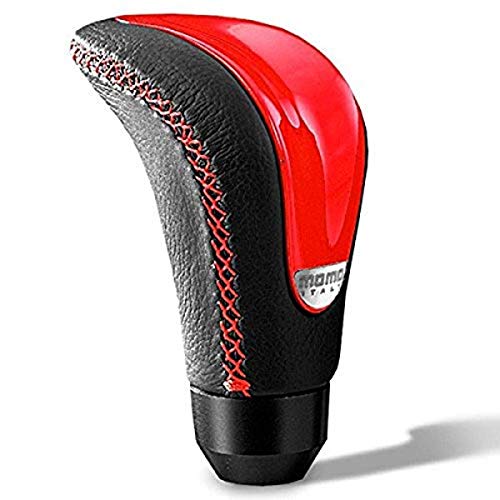
MOMO SK107 Combat Evo Shift Knob
Leather over an alloy core keeps the surface usable in hot weather while still adding some mass to the lever. MOMO includes an adapter kit that covers a good spread of European and Japanese threads, and the shape suits drivers who wrap a full hand over the top.
Pros
- Leather stays comfortable in sun
- Broad adapter coverage
- Recognised motorsport brand
Cons
- Leather wears at the thumb
- Less weight than solid metal knobs

NRG Innovations SK-300BK Shift Knob
A heavy aluminium knob at a modest outlay, which makes it a common first modification on project cars. Owners report that it delivers most of the weighted feel of pricier options, with a plainer finish and a slightly rougher thread than the premium machined knobs.
Pros
- Weighted feel at low cost
- Simple, clean look
- Adapters included
Cons
- Finish scratches more easily
- Threads can need cleaning up

American Shifter Old Skool Shift Knob
A retro styled knob aimed at hot rods, trucks and restoration projects where the look has to match a period interior. It comes with a range of thread inserts, including sizes common on older American transmissions that modern universal knobs often skip.
Pros
- Suits classic interiors
- Covers older imperial threads
- Comfortable in temperature extremes
Cons
- No meaningful added mass
- Resin can scuff over time
Compared at a glance
| # | Model | Weight | Best for | Score | Price |
|---|---|---|---|---|---|
| 1 | Mishimoto Weighted Shift Knob | Around 480 g | Best overall | 9.4 | Check price |
| 2 | Hurst 1630020 Universal Shift Knob | Light, around 140 g | Best value | 9.2 | Check price |
| 3 | Raceseng Ashiko Shift Knob | Machined billet | Best for precision feel | 9.0 | Check price |
| 4 | Skunk2 627-99-0060 Weighted Shift Knob | Around 430 g | Best for Honda swaps | 8.8 | Check price |
| 5 | MOMO SK107 Combat Evo Shift Knob | Leather over alloy | Best for grip | 8.6 | Check price |
| 6 | NRG Innovations SK-300BK Shift Knob | Around 450 g | Best budget | 8.3 | Check price |
| 7 | American Shifter Old Skool Shift Knob | Moulded resin | Best for classic builds | 8.0 | Check price |
How to pick the right one
Thread pitch is the first thing to check Manufacturers use different thread sizes, and a knob that does not thread on properly will work loose in traffic. Common sizes include M10 by 1.5, M12 by 1.25 and several imperial patterns on older American cars. Look up your exact model, then confirm the knob either matches directly or ships with the right adapter. Vehicle specific adapters, as Raceseng sells, remove the guesswork entirely.
Weight changes feel more than material does A heavier knob carries momentum through the gate, which smooths the transition between gears and makes a notchy box feel more settled. It also slightly increases the effort to start a change. Around 400 to 500 grams is the sweet spot for most road cars. Very light knobs look fine but leave the shifter feeling vague, particularly if you have fitted a short throw kit.
Reverse lockout and automatic shifters Many modern manuals use a collar you lift or a ring you pull to reach reverse, and most universal knobs cannot operate that mechanism. Some vehicles need a specific knob that reuses the original collar. Automatics complicate things further with a locking button and often an integrated indicator, so most automatic swaps need a model specific knob rather than a universal one.
Heat, cold and everyday comfort Solid aluminium sitting in summer sun becomes genuinely painful to grab, and in freezing weather it draws heat straight out of your hand. Leather wrapped or composite knobs stay usable year round, which is why the Hurst ball and the MOMO leather option remain popular despite lighter weight. If you park outdoors in a hot climate, that trade off matters more than the spec sheet suggests.
Common questions
How do I find my shifter thread size?
Check your vehicle’s manual or an owner forum for the exact pitch, or unscrew the factory knob and measure the thread. Never force a knob on, because cross threading a shifter shaft is an expensive mistake.
Does a heavier knob damage the gearbox?
No. A modest increase in mass at the top of the lever does not stress synchros in normal driving. Extremely heavy knobs can add wear over many years, but the weights on this list are well within normal use.
Will a universal knob work on an automatic?
Usually not. Automatic shifters typically include a release button and a gear indicator, both of which need a model specific knob. Check compatibility before ordering.
What about cars with a reverse lockout collar?
You need a knob designed to reuse or replace that collar. Fitting a plain universal knob usually leaves you unable to select reverse, which is why it is worth confirming before buying.
Does a shift knob shorten the throw?
No. Throw length is set by the shifter mechanism itself. A short throw kit changes the geometry, while the knob only changes the weight, grip and finish at the top of the lever.
How is a knob secured so it does not spin?
Most use a lock nut or a set screw against the shaft, and some rely on a nylon insert. Fit it snug, drive for a few days, then check tightness again, because a new knob often settles slightly.
Metal or resin for an outdoor parked car?
Resin or leather. Aluminium in direct sun becomes too hot to hold comfortably, and freezing metal is no better. The weighted feel of metal is best appreciated in a garaged or shaded car.
Can I swap the knob back to stock later?
Yes, in most cases. Keep the original knob and any collar parts, because factory knobs are often glued or clipped and buying a replacement later costs far more than the aftermarket knob did.
The verdict
For most manual drivers the Mishimoto Weighted Shift Knob is the upgrade worth making, because the added mass smooths gear changes in a way no finish or shape can. Choose the Hurst 1630020 if you park outdoors and want something comfortable year round, and the Raceseng Ashiko if you want machined precision with an adapter matched to your car. Confirm your thread pitch and reverse lockout style before ordering, since fitment causes almost every returned knob.