Glass Break Sensors That Actually Hear the Crack
The Ring Alarm Glass Break Sensor stands out for its reliable acoustic detection and tight smart home integration. It suits Alexa users who want a straightforward add-on to an existing Ring system. Its main advantage is accurate sound recognition that reduces false alarms. A limitation is that it requires a Ring Alarm hub, so it is not a standalone device.
A glass break sensor listens for the specific frequency of shattering glass. It adds a layer of protection for windows and glass doors that motion sensors might miss. Ideal for homes with pets, these sensors avoid false triggers from moving animals.
Today’s models connect to smart hubs or work as standalone alarms. Many send instant notifications to your phone. In this guide, we compare top-rated options to help you choose one that fits your security setup and budget.
The best picks, ranked

Ring Alarm Glass Break Sensor
This sensor listens for the sound of breaking glass and sends alerts through the Ring app. It works exclusively with Ring Alarm systems and integrates with Alexa for voice arming. Owners report reliable detection with few false alarms.
Pros
- Accurate detection reduces false alerts
- Seamless integration with Ring and Alexa
- Battery lasts up to 3 years
Cons
- Requires Ring Alarm hub
- Not a standalone device

SimpliSafe Glass Break Sensor
Designed for SimpliSafe home security systems, this sensor uses both acoustic and shock detection to confirm breakage. It mounts on walls or ceilings and covers up to 20 feet. Users appreciate its dual verification that minimizes false alarms.
Pros
- Dual detection reduces false alarms
- Easy wireless installation
- Compact and unobtrusive design
Cons
- Only works with SimpliSafe base station
- No standalone option

Aqara Glass Break Sensor
This compact sensor works with Aqara hubs and other Zigbee 3.0 hubs like Amazon Echo Plus. It detects the sound of glass shattering and sends alerts via the Aqara app. With a range of up to 6 meters, it suits smaller rooms.
Pros
- Works with multiple Zigbee hubs
- Compact and easy to hide
- Long battery life
Cons
- Requires a separate Zigbee hub
- No built-in siren
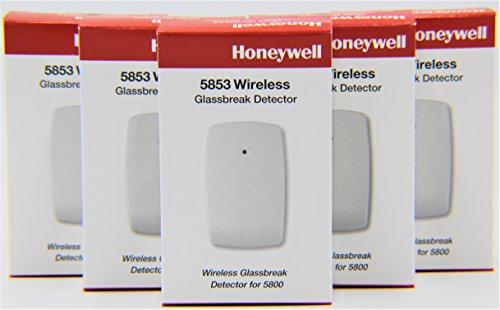
Honeywell Home Glass Break Detector
This Honeywell detector is compatible with Honeywell and Resideo security panels. It uses sound recognition to detect breakage and ignores other noises. It is a reliable choice for those with a professionally installed system.
Pros
- Trusted brand in security
- Wide range coverage
- Battery lasts up to 5 years
Cons
- Requires compatible panel
- Not for DIY systems

Bosch Blue Line Glass Break Detector
Bosch’s detector features advanced signal processing to distinguish glass breaks from other sounds. It offers a 360-degree listening pattern and a range of 20 feet. Users find it highly accurate and less prone to false alarms.
Pros
- Superior false alarm immunity
- 360-degree coverage
- Flexible power options
Cons
- Requires Bosch control panel
- More expensive

Wyze Sense Glass Break Sensor
This sensor is part of the Wyze Sense system, offering affordable protection for windows. It detects glass breakage and sends alerts through the Wyze app. It requires the Wyze Sense hub, which is sold separately or in a starter kit.
Pros
- Very affordable price point
- Easy setup with Wyze app
- Compact design
Cons
- Requires Wyze hub
- Shorter range than others
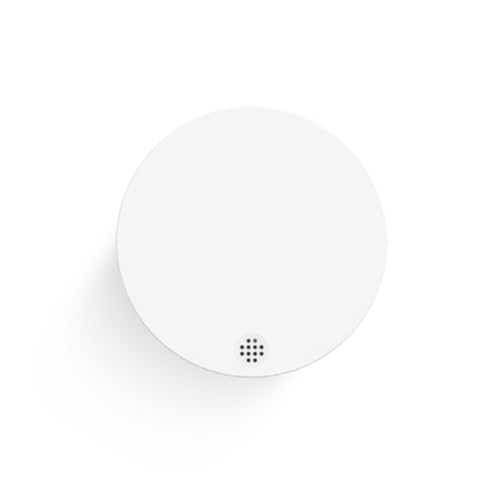
Dome Glass Break Detector
This Z-Wave detector is a standalone device that works with Z-Wave hubs like SmartThings and Wink. It detects the sound of glass breaking and triggers alerts or automations. It is a good choice for those building a custom smart home.
Pros
- Works with many Z-Wave hubs
- Can trigger automations
- Standalone operation possible
Cons
- Requires a Z-Wave hub
- Battery life shorter than others
Side by side
| # | Model | Detection method | Best for | Score | Price |
|---|---|---|---|---|---|
| 1 | Ring Alarm Glass Break Sensor | Acoustic | Alexa users with Ring Alarm | 9.4 | Check price |
| 2 | SimpliSafe Glass Break Sensor | Acoustic and shock | SimpliSafe system owners | 9.2 | Check price |
| 3 | Aqara Glass Break Sensor | Acoustic | Smart home hubs with Zigbee | 9.0 | Check price |
| 4 | Honeywell Home Glass Break Detector | Acoustic | Professional monitoring systems | 8.8 | Check price |
| 5 | Bosch Blue Line Glass Break Detector | Acoustic with microprocessor | Advanced sound processing | 8.7 | Check price |
| 6 | Wyze Sense Glass Break Sensor | Acoustic | Budget friendly Wyze users | 8.5 | Check price |
| 7 | Dome Glass Break Detector | Acoustic | Z-Wave smart home users | 8.3 | Check price |
What to look for
Common questions
Do glass break sensors work through windows?
Yes, they are designed to detect the sound of glass breaking, even if the glass is on the other side of a window. However, the sensor must be within its detection range, typically up to 20 feet.
Can glass break sensors be used with existing security systems?
Many sensors are designed to work with specific systems like Ring, SimpliSafe, or Honeywell. Others are standalone or compatible with smart hubs. Check compatibility before purchasing.
Will a glass break sensor trigger from a loud TV or music?
Most modern sensors use frequency analysis to ignore loud noises that do not match the sound of shattering glass. However, extremely loud or high-pitched sounds might still cause false alarms, depending on the model.
How often do I need to replace the battery?
Battery life varies by model, ranging from 1 to 5 years. Sensors with low-power modes or longer battery life require less frequent replacement. Check the product specifications for details.
Can I install a glass break sensor myself?
Yes, most sensors are DIY-friendly with simple mounting and setup. You typically just attach the sensor and pair it with your hub or system using the manufacturer’s app.
Do glass break sensors work with pet-friendly homes?
Yes, because they detect sound rather than motion, they are ideal for homes with pets. They do not trigger from animal movement, reducing false alarms.
What is the difference between acoustic and shock sensors?
Acoustic sensors listen for the sound of breaking glass. Shock sensors detect vibrations on the glass. Some models combine both for higher accuracy. Acoustic sensors are more common and cover a larger area.
Can I use a glass break sensor for both windows and doors?
Yes, you can place them near glass doors or windows. Ensure the sensor is within range and has a clear line of sight to the glass for best performance.
Our pick
For most homes, the Ring Alarm Glass Break Sensor is the clear winner due to its reliable detection and strong smart home integration. If you have a SimpliSafe system, choose the SimpliSafe sensor. For budget-conscious users with a Wyze hub, the Wyze Sense is a solid choice. Avoid sensors that are not compatible with your existing setup.