Hammer Drills vs Standard Drills: Which One to Buy
DeWalt’s DCD996B leads for its three speed gearbox and strong percussion rate. Ryobi’s PBLHM101B suits homeowners already on the ONE Plus platform at a lower cost. Milwaukee’s 2804-20 fits tradespeople drilling masonry every week, thanks to compact heat tolerant electronics.
DeWalt’s DCD996B suits most buyers, Ryobi’s PBLHM101B covers occasional masonry work for far less, and Milwaukee’s 2804-20 targets daily site use. All three drive anchors into block without bogging down.
Manufacturers quote torque in different ways and rarely explain that percussion, not power, breaks up masonry, which makes comparing hammer drills tricky. Battery platform lock-in matters just as much, since a bare tool from a brand you already own is usually the sensible choice. We compared published blows per minute, gearing, chuck design and weight, plus what long term owners report about heat, stalling and chuck slip.
Our top picks
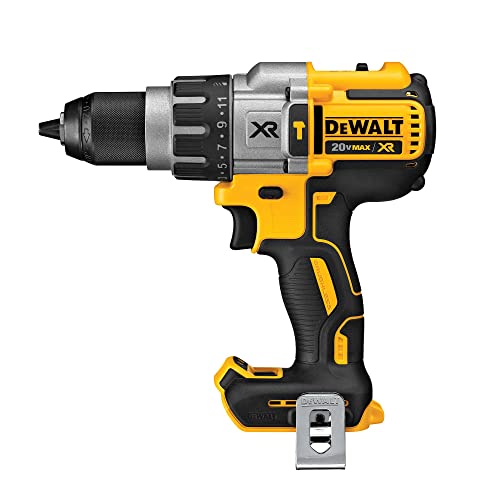
DeWalt DCD996B 20V MAX XR Brushless Hammer Drill
A brushless motor pairs with a three speed gearbox, so low speed torque handles large bits while high speed delivers masonry percussion. A heavy duty half inch ratcheting chuck holds round shank bits without walking. Three mode LED lighting reaches dark corners. Owners report this as one of the more comfortable high output drills to hold overhead.
Pros
- Three speed gearbox suits both big bits and masonry
- Strong percussion rate for anchors in block
- Excellent chuck grip and worklight design
Cons
- Sold as a bare tool, so battery and charger cost extra
- Front heavy with a large capacity battery fitted

Milwaukee 2804-20 M18 FUEL Hammer Drill Driver
A compact brushless build with a short head length helps this drill fit between studs and in cabinet bays. Electronics manage heat and overload, so the tool recovers rather than stalling under load. Based on specifications, it trades some top end torque for a noticeably tighter, lighter package.
Pros
- Compact head fits tight framing bays
- Excellent overload and heat management
- Huge M18 tool range to grow into
Cons
- Bare tool pricing plus expensive batteries
- Two speeds rather than three

Ryobi PBLHM101B ONE+ HP 18V Brushless Hammer Drill
Brushless efficiency reaches a platform most homeowners already own here, making this the cheapest sensible route into masonry drilling. Anchors in brick and block get handled comfortably, and long screws drive without complaint. Owners report it as more than adequate for renovation work, though it heats up faster than trade tools during sustained drilling.
Pros
- Works with a very large and affordable battery range
- Brushless motor at a homeowner friendly outlay
- Plenty of clutch settings for general fastening
Cons
- Heats up during long continuous drilling
- Chuck is less refined than premium metal versions

Makita XPH14Z 18V LXT Brushless Hammer Driver Drill
Smooth, predictable delivery matters more here than headline torque numbers, which makes starting a hole easy to feather. An electric brake and well spaced clutch settings reduce overdriving in softer material. Balance and low vibration suit anyone who values control over raw output.
Pros
- Very smooth trigger control at low speed
- Comfortable balance for long sessions
- Effective electric brake
Cons
- Lower peak torque than the DeWalt
- LXT batteries are pricier than homeowner platforms
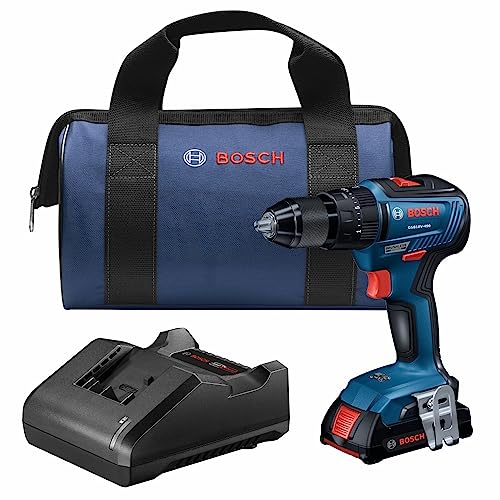
Bosch GSB18V-490B12 18V Brushless Compact Hammer Drill
Two slim batteries and a charger ship in this compact kit, making it a genuinely complete starting point rather than a bare tool. Short body and low weight ease overhead and ladder work considerably. Percussion output stays modest by trade standards, so treat this as a light masonry tool rather than a concrete specialist.
Pros
- Complete kit with two batteries included
- Light and short for overhead work
- Brushless motor extends runtime
Cons
- Less percussion energy for hard concrete
- Small capacity batteries need frequent swaps

Metabo HPT DV18DBL2 18V Brushless Hammer Drill
A reactive force control mode cuts power when the drill senses a sudden bind, reducing wrist wrenching kickback from a grabbed bit. A dedicated LED and multiple electronic modes round out a well specified tool. Job site availability of accessories and batteries is worth checking first, since this brand shows up less often on site.
Pros
- Kickback control protects wrists on large bits
- Strong output for the class
- Well judged electronic mode selection
Cons
- Smaller battery ecosystem than major brands
- Bulkier grip than compact rivals

SKIL PWR CORE 20 HD529302 Brushless Hammer Drill Kit
A brushless hammer drill bundles with a battery and quick charger here, landing well below most brushless competitors as a complete package. Battery cooling design shortens the wait between charges noticeably. Occasional home projects suit this better than repeated concrete anchoring, and owners report it slowing under sustained masonry load.
Pros
- Complete brushless kit at a low outlay
- Fast charging battery reduces downtime
- Light enough for extended overhead use
Cons
- Struggles with sustained hard concrete work
- Limited tool range on the platform
What to look for
Is a Hammer Drill the Same as a Rotary Hammer? Hammer drills create percussion by clicking two ridged plates together as the chuck turns, chipping brick, block and mortar effectively. Rotary hammers use a piston mechanism and an SDS bit shank instead, delivering far more energy per blow for poured concrete and large diameter holes. Anchors in block walls, mounting brackets to brick or fixing to mortar joints call for a hammer drill. Structural concrete work goes faster with a rotary hammer instead.
Do Blows Per Minute Matter More Than Torque? Torque figures sell drills, but percussion rate determines masonry progress. Higher blows per minute break up material faster, provided the bit spins quickly enough to clear the dust too. Three speed tools such as the DCD996B combine high speed with high percussion in top gear for this reason. Wood and steel work depends on gear one torque instead, so a good hammer drill needs both ends of the range.
How Much Does Battery Platform Matter When Choosing? Buying a hammer drill usually means buying into an ecosystem. Bare tools cost far less than kits, so owning DeWalt, Milwaukee, Makita or Ryobi batteries already points toward a bare tool on that platform. Starting from nothing means weighing the whole range you might eventually want, not just this one drill. Kits such as the Bosch and SKIL suit anyone wanting one capable tool with no long term commitment.
What Bits and Technique Actually Speed Up Masonry Drilling? A worn carbide masonry bit turns even a strong drill into a slow one, so replace bits once the tip edges round over. Pulling the bit out periodically clears dust, since packed dust dramatically slows cutting and overheats the carbide. Steady moderate pressure works better than leaning on the tool, letting percussion do the breaking. Eye protection and a dust extraction shroud matter indoors, since silica dust poses a genuine respiratory hazard.
How they compare
| # | Model | Chuck | Best for | Score | Price |
|---|---|---|---|---|---|
| 1 | DeWalt DCD996B 20V MAX XR Brushless Hammer Drill | 1/2 inch metal ratcheting | Best overall | 9.4 | Check price |
| 2 | Milwaukee 2804-20 M18 FUEL Hammer Drill Driver | 1/2 inch all metal | Best for daily trade use | 9.2 | Check price |
| 3 | Ryobi PBLHM101B ONE+ HP 18V Brushless Hammer Drill | 1/2 inch keyless | Best value | 9.0 | Check price |
| 4 | Makita XPH14Z 18V LXT Brushless Hammer Driver Drill | 1/2 inch ratcheting | Best for control | 8.8 | Check price |
| 5 | Bosch GSB18V-490B12 18V Brushless Compact Hammer Drill | 1/2 inch keyless | Best compact option | 8.6 | Check price |
| 6 | Metabo HPT DV18DBL2 18V Brushless Hammer Drill | 1/2 inch keyless | Best for reactive torque control | 8.3 | Check price |
| 7 | SKIL PWR CORE 20 HD529302 Brushless Hammer Drill Kit | 1/2 inch keyless | Best budget kit | 8.0 | Check price |
Questions worth asking
Can a hammer drill replace a rotary hammer?
For anchors in brick, block and mortar, yes. Repeated large holes in poured concrete favor a rotary hammer with SDS bits instead, since it delivers much higher energy per blow and finishes faster.
Do hammer drills need special bits?
Yes, carbide tipped masonry bits belong in hammer mode. Standard twist drills made for wood or metal lose their edge almost immediately against masonry once percussion is active.
What does bare tool mean for a hammer drill?
It means the drill ships without a battery or charger, which is why models like the DCD996B and 2804-20 look inexpensive. They only make sense for buyers who already own compatible batteries.
Is a brushless hammer drill worth paying more for?
Generally yes. Brushless motors run cooler, deliver more work per charge and last longer under load. All seven picks here run brushless, reflecting how far prices have fallen for this feature.
How do you stop a bit from wandering at the start of a hole?
Mark the spot, start in drill mode at low speed without percussion to make a small dimple, then switch to hammer mode. A punch mark or a strip of masking tape also helps the tip bite.
Why does a hammer drill stall halfway through a hole?
Usually packed dust or a dull bit causes this. Withdraw the bit fully several times during the hole to clear debris, and inspect the carbide tip for rounding or chipping.
What chuck size should a hammer drill have?
A half inch chuck is standard and accepts larger masonry and auger bits. Three eighths chucks weigh less but limit bit choice, which matters as soon as drilling gets substantial.
Are three speed hammer drills genuinely better than two speed?
A middle gear suits medium bits, and a high gear pairs high speed with high percussion, which is a real advantage for masonry. A good two speed tool such as the Milwaukee still handles most jobs without that extra gear.
Our pick
DeWalt’s DCD996B stands out as the most complete hammer drill here, since its three speed gearbox delivers both low speed grunt and the high speed percussion masonry actually needs. Tradespeople drilling anchors daily will prefer the compact, heat tolerant Milwaukee 2804-20, while homeowners on the Ryobi platform get most of the capability for a fraction of the commitment.

