Professional Grade Heart Rate Monitors Compared
For professionals, the Polar H10 chest strap stands out as the top pick due to its ECG-grade accuracy and dual Bluetooth/Ant+ connectivity, making it ideal for clinical and athletic testing. Its main limitation is chest discomfort during long wear, but for precision, it is unmatched.
Professional heart rate monitoring demands more than just a number on your wrist. You need accuracy, reliability, and data that you can trust for decisions in coaching, healthcare, or performance testing.
This roundup compares seven top-tier monitors that meet those standards. We looked at chest straps, armbands, and even a finger-based device to give you a complete picture of what is available today.
The shortlist, ranked
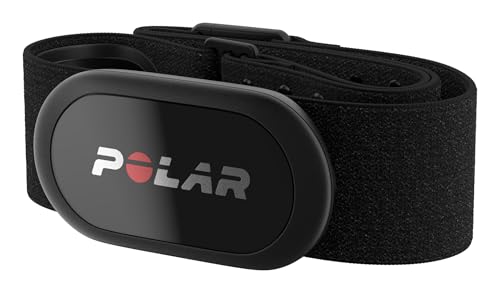
Polar H10 Heart Rate Monitor
The Polar H10 is the gold standard for chest straps. It uses a medical-grade ECG sensor and offers dual Bluetooth and ANT+ connections, allowing it to pair with multiple devices simultaneously. Its internal memory stores one training session, and it is water-resistant for swimming.
Pros
- Exceptional accuracy compared to other chest straps
- Dual Bluetooth connections for multiple devices
- Excellent battery life
Cons
- Chest strap can be uncomfortable during long sessions
- No built-in workout features

Garmin HRM-Pro Plus
The Garmin HRM-Pro Plus delivers running dynamics like ground contact time and vertical oscillation when paired with compatible Garmin watches. It stores heart rate data during swims and syncs later. The soft strap is comfortable, and it is fully washable.
Pros
- Provides running form metrics
- Comfortable and adjustable strap
- Stores data during pool swims
Cons
- Running dynamics require a compatible Garmin watch
- Battery is not replaceable by user

Wahoo TICKR X
The Wahoo TICKR X is a chest strap that tracks heart rate, calories, and even reps for strength training. It has internal memory to store workouts when you leave your phone behind. It connects via Bluetooth and ANT+, making it versatile.
Pros
- Tracks reps and sets for strength training
- Onboard memory for offline workouts
- Dual Bluetooth and ANT+
Cons
- Battery life is shorter than some competitors
- Charging cable is proprietary

Polar Verity Sense
The Polar Verity Sense is an optical heart rate sensor worn on the upper arm or temple. It offers accurate readings even in water, making it a favorite among swimmers. It has built-in memory for up to 600 hours of training and connects via Bluetooth and ANT+.
Pros
- Comfortable and unobtrusive on the arm
- Works well in water
- Store up to 600 hours of data
Cons
- Optical sensor may lag behind ECG during rapid changes
- Sizing might not fit very small or large arms

Garmin HRM-Dual
The Garmin HRM-Dual is a straightforward chest strap that transmits heart rate to your watch, bike computer, or smartphone. It uses a soft, comfortable strap and has no extra features, but it excels at accurate, reliable heart rate data.
Pros
- Simple and effective
- Comfortable strap
- Long battery life
Cons
- No internal memory
- No extra metrics
Scoche Rhythm24
The Scosche Rhythm24 is an optical armband that offers both Bluetooth and ANT+ connectivity. It has a built-in accelerometer for stride and cadence, and it is water-resistant up to 30 meters. It can store up to 8 hours of data.
Pros
- Comfortable armband with adjustable fit
- Built-in accelerometer for cadence
- Good battery life
Cons
- Optical accuracy can be affected by skin tone and movement
- Proprietary charging cable

Myzone MZ-Switch
The Myzone MZ-Switch is a versatile monitor that can be worn as a chest strap or armband. It provides Effort Points and integrates with the Myzone app, which is popular in gyms for friendly competition and tracking.
Pros
- Can be worn on chest or arm
- Effort Points system for motivation
- Good integration with Myzone ecosystem
Cons
- Requires a Myzone membership for full features
- Battery life is shorter than others
Before you buy
The lineup, side by side
| # | Model | Sensor | Best for | Score | Price |
|---|---|---|---|---|---|
| 1 | Polar H10 Heart Rate Monitor | ECG (electrocardiogram) | Clinical and athletic testing | 9.6 | Check price |
| 2 | Garmin HRM-Pro Plus | Electrode-based | Runners and multi-sport athletes | 9.3 | Check price |
| 3 | Wahoo TICKR X | ECG | Indoor training and gym workouts | 9.1 | Check price |
| 4 | Polar Verity Sense | Optical (6 LEDs) | Swimming and high-intensity intervals | 9.0 | Check price |
| 5 | Garmin HRM-Dual | ECG | Everyday training and gym use | 8.8 | Check price |
| 6 | Scoche Rhythm24 | Optical (2 LEDs) | Multi-sport athletes needing armband freedom | 8.6 | Check price |
| 7 | Myzone MZ-Switch | ECG or Optical | Fitness professionals and group classes | 8.4 | Check price |
Frequently asked questions
Why do professionals prefer chest straps over optical sensors?
Chest straps measure electrical signals directly from the heart, offering ECG-level accuracy. Optical sensors measure blood flow and can be influenced by skin perfusion, movement, and ambient light, making them less reliable for critical data.
Can I use a professional heart rate monitor with any fitness app?
Most professional monitors support Bluetooth and ANT+, so they can broadcast to a wide range of apps and devices. However, some features like running dynamics or specific metrics may require proprietary apps or compatible watches.
How often should I replace the battery in my chest strap?
Battery life varies. The Polar H10 lasts up to 400 hours of training, while the Garmin HRM-Dual can last up to 3.5 years with daily use. Check the manufacturer’s guidelines and replace when you notice connectivity issues.
Are heart rate monitors accurate for swimming?
Chest straps are generally accurate in water, but optical sensors like the Polar Verity Sense are also designed for water use. Ensure the monitor is water-resistant to the appropriate depth. Some monitors store data during swims and sync later.
What is the difference between Bluetooth and ANT+?
Bluetooth is a common wireless protocol that connects to smartphones, tablets, and many fitness devices. ANT+ is another protocol often used in cycling computers and gym equipment. Both transmit heart rate data, but some monitors support both for maximum compatibility.
Can I pair my heart rate monitor with multiple devices at once?
Some monitors, like the Polar H10, support dual Bluetooth connections, allowing simultaneous pairing with two devices. Others may only connect to one device at a time. Check the specifications if you need multi-device broadcasting.
Do I need a heart rate monitor if I already have a smartwatch?
Smartwatch optical sensors are convenient but often less accurate than chest straps. For professionals requiring precise data, a dedicated monitor is recommended. It can broadcast to your smartwatch or phone, giving you reliable readings.
How do I clean my heart rate monitor?
Chest straps can be rinsed with water after use and wiped down. Some are machine washable, but it’s best to hand wash with mild soap. Optical sensors should be cleaned with a soft cloth. Always follow the manufacturer’s instructions.
What is the best heart rate monitor for a personal trainer?
For personal trainers, the Polar H10 is excellent for accurate assessments, while the Myzone MZ-Switch is great for client engagement with its Effort Points. The Garmin HRM-Pro Plus is also popular for its running dynamics if you train runners.
Are there any subscription fees for using these heart rate monitors?
Most monitors are free to use with basic apps. However, some like Myzone offer premium features through a subscription. Polar and Garmin have free apps, but advanced analytics may require a paid service.
Our pick
For most professionals, the Polar H10 is the definitive choice because its ECG accuracy and dual Bluetooth connectivity make it ideal for testing and coaching. If you need running dynamics, the Garmin HRM-Pro Plus is a close second. For those who find chest straps uncomfortable, the Polar Verity Sense offers the best optical performance in an armband format.