Top Heart Rate Monitors for Every Workout and Budget
The Polar H10 chest strap stands out for its clinical-grade ECG accuracy and Bluetooth connectivity, making it ideal for serious athletes and cross-training enthusiasts. Its main advantage is unmatched precision during interval and high-intensity workouts, but its main limitation is the discomfort some users feel wearing a chest strap for long periods.
Heart rate monitors have evolved from simple chest straps to sophisticated wrist and arm devices that track your pulse, recovery, and overall fitness. With so many options, choosing the right one can be overwhelming, whether you’re a marathon runner, a cyclist, or someone who wants to optimize everyday workouts.
We compared seven of the most popular heart rate monitors on Amazon, looking at real user feedback and technical specs. Our selections cater to different budgets and use cases, from the most accurate chest strap to the most versatile smartwatch.
The best picks, ranked
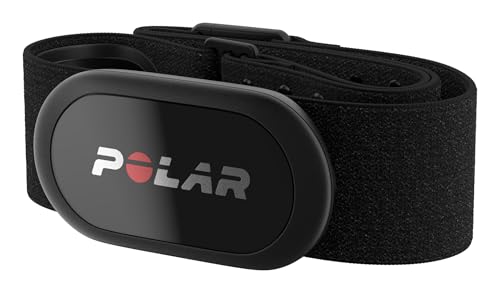
Polar H10 Heart Rate Sensor
The Polar H10 is the gold standard for heart rate monitoring, featuring ECG technology and a comfortable strap. It broadcasts via Bluetooth and ANT+, and stores one workout in memory. Users report it pairs seamlessly with most fitness apps and smartwatches.
Pros
- Clinical-grade accuracy
- Works with multiple devices simultaneously
- Long battery life
Cons
- Chest strap may feel tight initially
- No built-in display for real-time data

Garmin HRM-Pro Plus Heart Rate Monitor
Garmin’s premium chest strap adds running dynamics like stride length and vertical oscillation, plus it stores activity data when you’re away from your watch. It’s designed to be comfortable and stays in place during intense runs.
Pros
- Provides advanced running metrics
- Memory function for later sync
- Durable and comfortable
Cons
- Pricey compared to basic straps
- Requires Garmin watch for full features

Wahoo TICKR X Heart Rate Monitor
The Wahoo TICKR X is a versatile chest strap that tracks heart rate, calorie burn, and indoor cycling metrics. It offers a built-in accelerometer for rep counting and can store workouts for later sync. Users praise its reliable connectivity with both iOS and Android.
Pros
- Tracks cycling and running cadence
- Rechargeable battery
- Broad compatibility
Cons
- Strap may wear out over time
- No on-board display

Scosche Rhythm24 Armband Heart Rate Monitor
This optical armband offers an alternative to chest straps, using dual LED sensors for accuracy. It’s comfortable for all-day wear, has a long battery life, and is fully waterproof. Athletes enjoy its discreet design and reliable performance during swimming and cycling.
Pros
- No chest discomfort
- Works well for swimming
- Long battery life
Cons
- May not be as precise as chest straps for some users
- Can slip if not adjusted properly
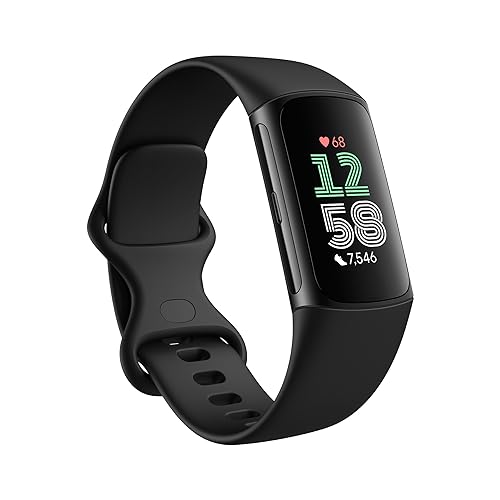
Fitbit Charge 6
The Fitbit Charge 6 is a sleek wrist tracker that provides continuous heart rate, GPS, and many smart features. It integrates well with Google apps and offers a bright display. Users like its comfortable band and the ability to track sleep and stress.
Pros
- Full smartwatch features
- Excellent battery life
- Accurate step and sleep tracking
Cons
- Optical sensor less accurate for high-intensity intervals
- Subscription needed for advanced metrics

Apple Watch Series 9
The Apple Watch Series 9 offers a highly accurate optical heart rate sensor, ECG, and blood oxygen monitoring. It excels in fitness tracking with a comprehensive suite of workouts and integrates perfectly with the Apple ecosystem. The bright display and fast processor are standout features.
Pros
- Advanced health features
- Large app ecosystem
- High accuracy in most conditions
Cons
- Short battery life
- Requires iPhone to function

WHOOP 4.0
The WHOOP 4.0 is a subscription-based wearable that focuses on recovery, strain, and sleep. It measures heart rate continuously and provides personalized insights to optimize training. The device is worn on the wrist or arm and has a unique design that is comfortable for 24/7 wear.
Pros
- In-depth recovery analytics
- No screen distractions
- Lightweight and comfortable
Cons
- Requires membership to use
- Not a standalone watch
How they compare
| # | Model | Sensor | Best for | Score | Price |
|---|---|---|---|---|---|
| 1 | Polar H10 Heart Rate Sensor | ECG-based, 1-lead | Serious athletes needing maximum accuracy | 9.6 | Check price |
| 2 | Garmin HRM-Pro Plus Heart Rate Monitor | Elevate HR, running dynamics | Runners wanting running dynamics | 9.4 | Check price |
| 3 | Wahoo TICKR X Heart Rate Monitor | Optical + accelerometer | Cyclists and cross-trainers | 9.1 | Check price |
| 4 | Scosche Rhythm24 Armband Heart Rate Monitor | Optical (dual LED) | People who dislike chest straps | 8.9 | Check price |
| 5 | Fitbit Charge 6 | Optical HR, SpO2 | Everyday fitness enthusiasts | 8.7 | Check price |
| 6 | Apple Watch Series 9 | Optical HR, ECG, SpO2 | iPhone owners wanting an all-in-one | 9.0 | Check price |
| 7 | WHOOP 4.0 | Optical HR, skin temp | Recovery and strain tracking | 8.3 | Check price |
How to pick the right one
How to Choose a Heart Rate Monitor Heart rate monitors vary widely in sensor type and placement. Chest straps use electrical signals for exceptional accuracy, while optical sensors on wrists or arms use light and can be slightly less precise during irregular movements. Consider what activities you do. If you run, a chest strap with running dynamics is helpful. If you swim, look for waterproof ratings. If you hate straps, an armband or smartwatch might be better.
Key Features to Consider Important features include connectivity (Bluetooth, ANT+), battery life, and data storage. Some monitors store workouts without a phone, which is useful for athletes who train without carrying a phone. Waterproofing is critical for swimmers. Smart features like GPS and recovery metrics are nice to have but increase cost. Evaluate which features align with your training goals.
Chest Strap vs. Optical Sensors Chest straps are the most accurate because they detect electrical heart signals, similar to an ECG. They are preferred by athletes who need precise data for intervals. Optical sensors, found in wrist and arm devices, are more convenient and comfortable for all-day use, but they may have small delays or inaccuracies during high-intensity exercise. For casual fitness, optical sensors are sufficient.
Battery and Connectivity Battery life ranges from a few days to a year. Rechargeable devices are common, but some chest straps use replaceable coin batteries that last months. Bluetooth is standard, but some devices also support ANT+ for connecting to older gym equipment. Check if the monitor supports multiple connections simultaneously, which is useful if you want to connect to both a watch and a phone.
Good to know
Which heart rate monitor is the most accurate?
Chest straps like the Polar H10 are the most accurate because they measure electrical signals from the heart. They are considered the gold standard for clinical and athletic use.
Can I use a heart rate monitor without a smartphone?
Many monitors can be used independently. Chest straps often store workouts in memory that you can sync later, while some wrist monitors have a display showing your heart rate in real time.
Are optical heart rate monitors as accurate as chest straps?
Optical monitors are generally less accurate during high-intensity activities with lots of movement, but they are fine for most daily workouts. Chest straps are preferred for interval training and research.
How long do heart rate monitor batteries last?
Battery life varies. Rechargeable devices typically last between 18 hours and 7 days per charge. Chest straps with coin batteries can last up to a year depending on usage.
Can I use a heart rate monitor for swimming?
Yes, if the monitor is waterproof. Many chest straps and armbands are water-resistant up to 50 meters, but not all are suitable for swimming. Check the IP rating before use.
Do I need a subscription for a heart rate monitor?
Some monitors, like WHOOP, require a subscription to access their full features. Others, like the Polar H10, are one-time purchases with no fees. Consider your long-term budget.
Which heart rate monitor is best for cycling?
The Wahoo TICKR X is popular among cyclists because it can connect to cycling computers and track cadence. Garmin and Polar chest straps also work well with cycling apps.
Can heart rate monitors help with weight loss?
Yes, they help you stay in the optimal fat-burning zone during exercise. By monitoring your heart rate, you can adjust intensity to maximize calorie burn and endurance.
What is the difference between heart rate and pulse rate?
Heart rate is the number of times your heart beats per minute, while pulse rate is the number of times you feel the heart’s pulsation in peripheral arteries. They are essentially the same unless there is a cardiac issue.
How do I clean my heart rate monitor?
Most chest straps can be washed with mild soap and water after each use. Optical sensors should be wiped with a damp cloth. Do not use harsh chemicals or submerge non-waterproof devices.
Our pick
For most athletes, the Polar H10 is the best choice because it offers the highest accuracy and reliability. If you prioritize comfort and convenience, the Scosche Rhythm24 is a great armband alternative. For runners who want advanced metrics, the Garmin HRM-Pro Plus is worth the extra cost. Casual users will appreciate the simplicity of the Fitbit Charge 6.