Heavy Duty Snowboards Built for Bigger Riders and Hard Use
The Lib Tech Skunk Ape HP is the strongest heavy duty snowboard, a true wide built stiff enough for riders well over 200 pounds. Burton’s Ripcord Wide offers a forgiving tough build for progressing riders, and the STAUBER Summit covers budget buyers who still want a durable all-mountain deck.
Heavy duty in snowboarding means stiff flex, wide waists, and construction that shrugs off rocks and rails, and the Lib Tech Skunk Ape HP defines the category. Burton’s Ripcord Wide and the budget STAUBER Summit lead the alternatives.
Finding one is tricky because most boards are tuned for average-weight riders and go noodly under a 220 pound rider or a season of hard hits. We compared flex ratings, waist widths, core materials, base grades, and stated weight ranges to select these seven.
The best picks, ranked
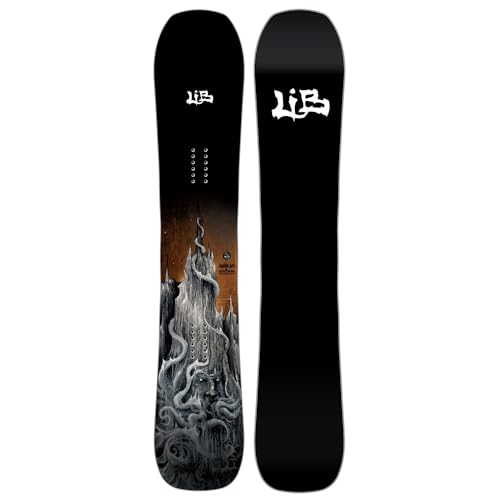
Lib Tech Skunk Ape HP Snowboard
Lib Tech scaled every dimension of the Skunk Ape for taller, heavier riders: wide waist, long effective edge, and a stiffer aspen and paulownia core. Magne-Traction serrated edges keep grip on ice where flexed-out narrow boards wash. The eco-sublimated top and sintered-style base come from Lib Tech’s US Mervin factory, known for durable layups.
Pros
- Genuinely scaled for big riders, not just widened
- Serrated edges bite on hardpack and ice
- US-built layup with a strong durability record
Cons
- Too much board for lightweight riders
- Premium price for the high-performance version

Burton Ripcord Wide Snowboard
Ripcord pairs a soft-catching flat-to-rocker profile with Burton’s tough FSC-certified wood core, so bigger beginners can progress without folding the board. The wide version adds waist width for boots size 11 and up. A directional shape and biax glass keep it stable at moderate speed while staying easy to turn.
Pros
- Catch-free profile flatters learners
- Wide waist prevents boot drag
- Burton build quality at a mid price
Cons
- Softer flex gets chattery at high speed
- Extruded base needs more frequent waxing

K2 Raygun Pop Snowboard
Raygun Pop covers the whole mountain on a mid flex, with a directional combination camber that stays lively under heavier riders. K2 offers it in wide sizes up to the high 160s, rare at this price. An extruded 2000 base absorbs rock strikes and repairs cheaply.
Pros
- Long wide sizes suit tall, heavy riders
- Base repairs cost little after rock hits
- Balanced flex for groomers and trees
Cons
- Extruded base is slower than sintered
- Not stiff enough for full carving aggression

Salomon Sight Wide Snowboard
Sight blends all-mountain duty with park manners, using Salomon’s Rock Out Camber that stays flat between the feet for stability and rockered at the tips for play. The wide build handles bigger boots without toe drag on jump landings. An aspen core with cross profiling spreads impact loads across the deck.
Pros
- Stable landings for heavier freestyle riders
- Playful tips without a loose feel
- Durable aspen core construction
Cons
- Mid flex gives up some edge hold on ice
- Graphics change yearly, sizes sell out early

System MTN Wide Snowboard
System sells direct through Amazon, which is how the MTN Wide lands a full camber-rocker-camber profile and a peel-resistant top sheet at a modest price. The all-mountain flex suits daily resort laps for riders in the 180 to 240 pound band. It is often bundled with matching bindings for one-stop setup.
Pros
- Strong spec for the money
- Binding bundles simplify first setups
- Hybrid camber balances grip and float
Cons
- Brand carries less resale value
- Finish quality trails the majors up close

Camp Seven Drifter Snowboard
Drifter’s directional shape and setback stance let heavier riders keep the nose up in powder without leg burn. Camber underfoot preserves grip when the snow turns back to groomers. Camp Seven backs its boards with a multi-year warranty, reassuring for riders who are hard on gear.
Pros
- Floats well under heavier riders
- Long warranty for the price class
- Holds an edge back on hardpack
Cons
- Setback shape rides switch poorly
- Limited wide-size availability each season

STAUBER Summit Snowboard
Summit is the board for buyers who want one durable deck for occasional trips without a big spend. A camber-rocker-camber profile keeps it forgiving, and sizes run up to 161 cm for larger riders. Expect honest all-rounder performance rather than expert-level response.
Pros
- Lowest cost of the group
- Forgiving profile for new riders
- Solid construction for casual use
Cons
- Tops out for advanced riding
- No true wide waist option
How they compare
| # | Model | Rider range | Best for | Score | Price |
|---|---|---|---|---|---|
| 1 | Lib Tech Skunk Ape HP Snowboard | Built for 200 lb plus | Best overall | 9.4 | Check price |
| 2 | Burton Ripcord Wide Snowboard | Flat Top with rocker tips | Best for progressing riders | 9.2 | Check price |
| 3 | K2 Raygun Pop Snowboard | Directional combination | Best all-mountain value | 9.0 | Check price |
| 4 | Salomon Sight Wide Snowboard | Rock Out hybrid | Best for freestyle-leaning riders | 8.8 | Check price |
| 5 | System MTN Wide Snowboard | CRC hybrid camber | Best value wide | 8.6 | Check price |
| 6 | Camp Seven Drifter Snowboard | Directional, setback stance | Best for powder days | 8.3 | Check price |
| 7 | STAUBER Summit Snowboard | Camber-rocker-camber | Best budget | 8.0 | Check price |
What to look for
What makes a snowboard heavy duty Three specs separate a heavy duty board from a standard one. Stiffness, usually 6 or higher on a 10 scale, prevents the board folding under a heavier rider mid-turn. Waist width, roughly 260 mm and up, stops size 11 plus boots dragging in carves. Construction grade, meaning full wood cores, quality glass layups, and thicker edges, decides whether the board survives rocks and rails. Weight range charts on each listing matter more than length alone.
How to size a snowboard for a heavier rider Weight drives sizing more than height does. A 230 pound rider on a board rated to 190 pounds gets a washy, exhausting ride regardless of length. Add 3 to 6 cm over the chart midpoint when you ride fast, and choose the wide version whenever boots hit size 11. The Skunk Ape and K2 Raygun Pop publish generous upper weight ranges, which is exactly what to check first.
Best heavy duty boards by riding style Groomer-focused riders should prioritize camber and stiffness, the Skunk Ape’s territory. Powder-day riders benefit from directional setback shapes like the Camp Seven Drifter. Freestyle-leaning riders want stability on landings with playful tips, where the Salomon Sight Wide sits. Beginners progress fastest on forgiving profiles such as the Burton Ripcord Wide, since a board that punishes mistakes slows learning more than it toughens anyone up.
Durability, bases, and keeping a hard-used board alive Extruded bases, found on the Ripcord and Raygun Pop, are slower but cheap to repair, a real advantage in rocky early-season snow. Sintered-style bases run faster and hold wax longer but cost more to fix. Wax every few days on hill, store the board dry with a summer coat of wax, and detune only the contact points. Edge cracks and core shots deserve a shop visit before they spread.
Frequently asked questions
What snowboard is best for a 250 pound man?
A stiff true-wide board with a published weight range above 250 pounds, like the Lib Tech Skunk Ape HP in its longer sizes. Length in the mid 160s or longer plus a 26 cm plus waist keeps the ride stable.
Does rider weight really matter for snowboard choice?
Yes, more than height. Flex ratings assume a target weight band. A heavy rider overpowers a soft board, causing washed-out turns and speed wobble, while a light rider cannot bend a stiff one into a carve.
Are wide snowboards only for big feet?
Mostly, but not only. Wide boards prevent toe drag for size 11 plus boots, and they also add float in powder and stability for heavier riders. Smaller-footed riders lose quickness edge to edge on them.
Is a stiff snowboard harder to ride?
At low speed, yes. Stiff boards demand deliberate input and punish lazy turns. They reward heavier and faster riders with stability and grip that soft boards cannot match. Match stiffness to weight and skill together.
Which base lasts longer, extruded or sintered?
Extruded bases resist gouging slightly better and repair cheaply, which suits rocky home hills. Sintered bases are faster and more durable against wear when waxed, but repairs cost more. Heavy-use riders on a budget should favor extruded.
Can a beginner buy a heavy duty snowboard?
A heavier beginner should, just in a forgiving shape. The Burton Ripcord Wide and STAUBER Summit pair tough builds with soft, catch-free profiles. Skip expert-stiff decks like the Skunk Ape until turns are consistent.
How long should a snowboard last with heavy use?
A well-built board survives 80 to 150 full days with basic care, waxing, and timely repairs. Core shots left wet and unrepaired shorten that dramatically. Warranties like Camp Seven’s multi-year cover manufacturing failures, not rock damage.
Lib Tech Skunk Ape vs Burton Ripcord Wide, which fits me?
Choose the Skunk Ape if you weigh over 200 pounds and already ride confidently at speed. Choose the Ripcord Wide if you are still progressing, since its softer flex forgives skidded turns while the wide waist fits big boots.
Our pick
Big, aggressive riders should spend up on the Lib Tech Skunk Ape HP, the one board here truly engineered around them. Progressing riders get more from the Burton Ripcord Wide’s forgiving toughness. For occasional trips, the System MTN Wide and STAUBER Summit deliver durable decks without the flagship spend.


