Home Projectors Worth Turning the Lights Off For
The BenQ HT2060 wins for movie fans with accurate color and low input lag from a true 1080p DLP panel. Epson’s Home Cinema 2350 adds built in Android TV and higher brightness for lit rooms. For a portable all in one, the Anker Nebula Capsule 3 Laser packs a battery and streaming.
Room light is what separates a good home projector from a wasted purchase. The BenQ HT2060 delivers the sharpest, most accurate movie image here for the price, ideal for a dark or dim room, though its 2300 lumens struggle against daylight. Epson’s Home Cinema 2350 pushes more brightness and bundles Android TV. Anyone wanting a grab and go unit should choose the Anker Nebula Capsule 3 Laser.
Lumen claims vary wildly between brands, and a cheap high lumen number often hides washed out color and poor contrast. We compared native resolution against upscaled marketing labels, checked throw distance for real room sizes, and weighed owner reports on fan noise, color accuracy and lamp or laser lifespan.
How to pick the right one
What to look for in a home projector Native resolution and real brightness decide image quality more than any single spec. Confirm a projector is natively 1080p or 4K rather than merely accepting that signal and downscaling it. Match ANSI or ISO lumens to your room light, since a dim unit needs full darkness. Contrast ratio shapes how deep blacks look, which matters most for movies at night.
How much brightness you need for your room A fully dark room lets a 300 lumen portable like the Nebula Capsule 3 shine on a modest screen. Rooms with some ambient light need 2000 lumens or more, and daylight demands 3000 plus with the shades drawn. Buying more lumens than your room needs wastes money and can crush shadow detail, so match brightness to conditions.
Best projector for gaming versus movies Gamers should prioritize low input lag and a fast response, which the ViewSonic PX701 4K and Optoma HD146X handle well. Movie fans gain more from accurate color and contrast, the BenQ HT2060’s strengths. A single projector can do both, but the best fit depends on which use dominates your evenings.
Throw distance and screen placement Throw ratio sets how far back a projector must sit for a given screen size. Measure the distance from your shelf or ceiling mount to the wall before buying, since a long throw unit in a small room cannot fill the screen. Lens shift and zoom, found on the Epson here, add placement flexibility when the geometry is tight.
Our top picks

BenQ HT2060 Home Theater Projector
A true 1080p DLP panel with an LED light source delivers accurate, factory calibrated color that suits film over spec sheet brightness. Input lag drops low enough for console gaming in its dedicated mode. The LED source is rated around 20000 hours, far longer than a traditional lamp.
Pros
- Factory calibrated accurate color
- LED source lasts far longer than a lamp
- Low input lag suits console gaming
Cons
- Brightness fades in a well lit room
- No built in streaming apps

Epson Home Cinema 2350 Projector
A 3LCD engine puts out 2800 lumens of equal white and color brightness, holding up better under ambient light than many DLP rivals. Android TV is built in, so streaming apps run without an extra stick. Motorized zoom and lens shift ease placement in awkward rooms.
Pros
- Bright enough for some ambient light
- Android TV streaming built in
- Motorized zoom eases placement
Cons
- Lamp needs eventual replacement
- Native contrast trails DLP picks
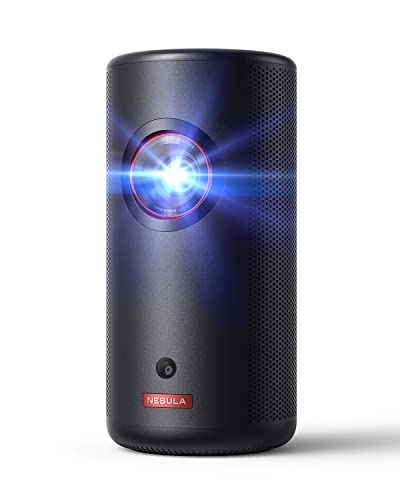
Anker Nebula Capsule 3 Laser Projector
A soda can sized laser projector with a built in battery and Google TV, made for moving between rooms or outdoors. Autofocus and keystone correction square the image in seconds on any wall. Brightness suits a dark space rather than a lit living room.
Pros
- Battery makes it truly portable
- Autofocus and keystone square the image
- Google TV streaming built in
Cons
- Low brightness needs a dark room
- Small speaker benefits from external audio
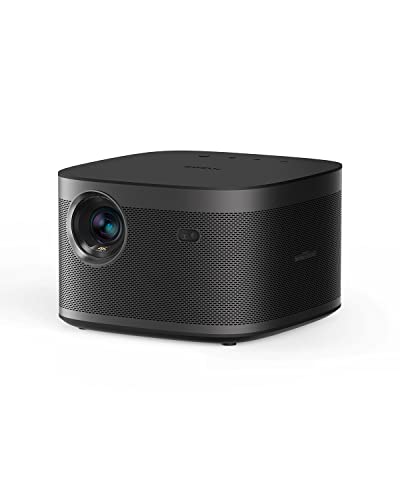
XGIMI Horizon Pro 4K Projector
A 4K UHD image with 2200 ISO lumens and Harman Kardon speakers positions it as a near all in one theater. Intelligent autofocus and obstacle avoidance simplify setup on a shelf. Its higher price buys resolution and sound that the 1080p picks cannot match.
Pros
- Sharp 4K image on a big screen
- Capable Harman Kardon built in audio
- Smart autofocus and obstacle avoidance
Cons
- Priciest option in this lineup
- Smart platform apps can feel limited
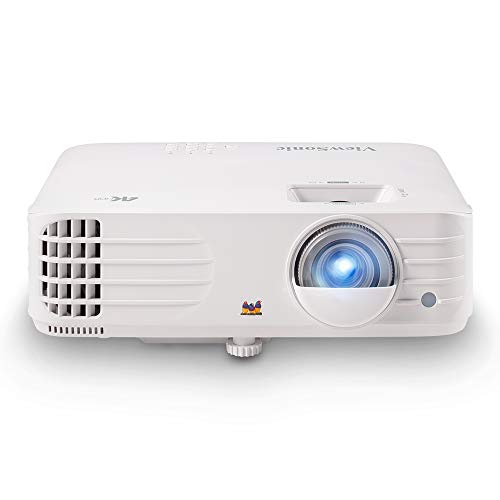
ViewSonic PX701 4K Projector
A 4K DLP image paired with a fast refresh and low input lag targets console gamers on a budget. At 3200 lumens it tolerates some room light better than dimmer rivals. A short enough throw fits it into medium rooms without a long back wall.
Pros
- 4K image at a mid tier price
- Low input lag for console play
- Bright enough for mild ambient light
Cons
- Lamp based, unlike LED or laser picks
- No built in streaming platform

Optoma HD146X Home Theater Projector
A 1080p DLP projector aimed at buyers who want a big, sharp image without extras they will not use. Its fast response and low lag suit gaming as well as movies. Streaming needs an external stick, which keeps the price down.
Pros
- Strong contrast for the price
- Fast response for gaming
- Simple, no frills setup
Cons
- Requires an external streaming stick
- Fan noise rises in bright mode

Vankyo Leisure 3 Mini Projector
A compact LCD projector for casual viewing on a bedroom wall or a backyard sheet at the lowest price here. Native resolution sits below the 1080p picks, so text and fine detail soften. In a dark room it handles movies and streaming from a plugged in stick well enough.
Pros
- Lowest price for casual viewing
- Compact and light to move
- Runs cool and quiet enough
Cons
- Sub 1080p native resolution softens detail
- Needs a fully dark room to look good
The lineup, side by side
| # | Model | Native resolution | Best for | Score | Price |
|---|---|---|---|---|---|
| 1 | BenQ HT2060 Home Theater Projector | 1920 x 1080 | Best for movies | 9.4 | Check price |
| 2 | Epson Home Cinema 2350 Projector | 1920 x 1080 | Best for bright rooms | 9.1 | Check price |
| 3 | Anker Nebula Capsule 3 Laser Projector | 1920 x 1080 | Best portable | 8.9 | Check price |
| 4 | XGIMI Horizon Pro 4K Projector | 3840 x 2160 | Best premium | 8.7 | Check price |
| 5 | ViewSonic PX701 4K Projector | 3840 x 2160 | Best for gaming | 8.5 | Check price |
| 6 | Optoma HD146X Home Theater Projector | 1920 x 1080 | Best value 1080p | 8.2 | Check price |
| 7 | Vankyo Leisure 3 Mini Projector | 854 x 480, supports 1080p input | Best budget | 7.8 | Check price |
Questions worth asking
How many lumens do I need for a home projector?
A dark room works with 1500 to 2000 lumens, some ambient light needs 2500 to 3000, and a bright room demands 3000 plus with shades drawn. Portable units near 300 lumens require full darkness to look their best.
Is a 1080p or 4K projector better for home use?
For most rooms and budgets, a native 1080p projector like the BenQ HT2060 delivers excellent movies at lower cost. Step up to 4K such as the XGIMI Horizon Pro only if you watch on a very large screen from a close seat.
Do I need a screen or can I project on a wall?
A smooth white wall works for casual viewing, but a proper screen improves brightness, contrast and color uniformity. For a dedicated movie setup the screen is a worthwhile upgrade over painted drywall.
Which projectors have built in streaming apps?
The Epson Home Cinema 2350, Anker Nebula Capsule 3 and XGIMI Horizon Pro run streaming platforms out of the box. Others like the BenQ and Optoma need an external stick, which keeps their price lower.
What is the difference between DLP and LCD projectors?
DLP tends to show sharper motion and higher contrast, while 3LCD like Epson’s often produces brighter, more saturated color under ambient light. Both work well at home, so match the technology to your room and content.
How long do projector lamps and LEDs last?
Traditional lamps last roughly 4000 to 6000 hours and then need replacing. LED and laser light sources such as the BenQ HT2060 and Nebula Capsule 3 run around 20000 to 30000 hours, effectively the life of the projector.
Can you use a projector in a bright living room?
Yes, with a bright model around 2800 to 3600 lumens like the Epson Home Cinema 2350 or Optoma HD146X and some light control. Full daylight still washes the image out, so blinds or curtains help considerably.
Are portable projectors worth it?
For flexibility they can be. The battery powered Anker Nebula Capsule 3 moves between rooms and outdoors and streams on its own. The tradeoff is lower brightness, so it needs a dark space to look sharp.
How far should a projector sit from the screen?
It depends on the throw ratio and screen size. Measure your intended distance first, since a long throw unit in a small room cannot fill a large screen. Models with zoom and lens shift give more placement leeway.
Final word
The BenQ HT2060 is the pick for movie lovers who control room light, thanks to accurate color and a long lived LED source. Choose the Epson Home Cinema 2350 if your room has ambient light or you want streaming built in. For a projector you carry room to room, the Anker Nebula Capsule 3 Laser is the clear alternative despite its lower brightness.


