What to Keep on Hand for a Horse on Stall Rest
Absorbine Hooflex Thrush Remedy treats the most common stall-related hoof problem directly. Durvet’s Vetrolin Leg Wash supports circulation when turnout drops. Need basic wound coverage? Vetericyn Plus Wound and Skin Care spray cleans minor cuts without stinging, useful for horses still catching themselves on stall edges and feeders.
Three products cover the most common stall-related issues facing horses on box rest. Absorbine Hooflex Thrush Remedy, Durvet’s Vetrolin Leg Wash and Vetericyn Plus Wound and Skin Care spray each target a problem that worsens with less turnout. Damp bedding, reduced movement and limited grazing each create a different risk indoors.
Pasture horses face different problems than stalled ones, so a barn kit needs different priorities than a generic first aid box. We compared what each product treats, how it gets applied, and how long it holds up on a shelf between uses. Owner reports on daily ease of use during stall care rounds out the picture.
Our top picks

Absorbine Hooflex Thrush Remedy
Thrush bacteria thrive in the damp bedding that comes with more stall time. This liquid treatment kills the infection at the frog without the dark iodine stains older remedies leave behind. A built in brush applicator pushes the formula deep into the hoof grooves where thrush hides.
Pros
- Brush applicator reaches deep into hoof grooves
- Skips the iodine staining of older treatments
- Works for daily prevention, not just active infections
Cons
- Strong odor bothers some owners
- Advanced infections often need a farrier’s input too

Durvet Horse Health Vetrolin Leg Wash
Standing still for hours during box rest lets fluid pool in the lower legs. Massaging this wash in supports circulation without the rinse step other leg products require. Its menthol scent doubles as a marker, useful when several horses in one barn need different treatments tracked.
Pros
- No rinse step, saves time on chore rounds
- Menthol scent helps staff track which horse was treated
- Supports circulation when turnout is limited
Cons
- Menthol scent can linger in an enclosed aisle
- Does not replace veterinary leg wraps for real swelling

Vetericyn Plus Wound and Skin Care Spray
A hypochlorous acid formula cleans minor cuts without the sting that makes nervous horses fight treatment. Stalled horses still catch themselves on feeders and stall edges, so this stays a barn staple even without turnout. The trigger spray covers small wounds evenly, skipping gauze for surface level scrapes.
Pros
- No stinging on application, easier for nervous horses
- Even coverage from the trigger spray, no gauze needed
- Gentle formula tolerates repeated daily use
Cons
- Shorter shelf life than dry wound powders
- Deep or severe wounds still need a vet, not spray alone
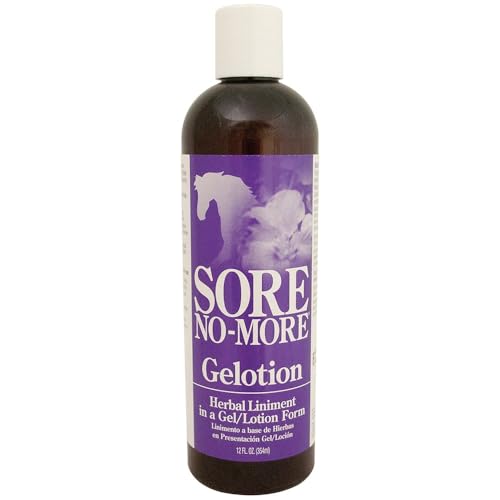
Farnam Sore No-More Classic Liniment Gel
Less turnout often leaves muscles tight, and this gel warms the area to ease general stiffness after limited movement. A thicker gel formula stays put better than thin liniment liquids that run off before working. Herbal ingredients replace the sharp alcohol smell older liniments carry.
Pros
- Gel consistency stays on target instead of running off
- Milder herbal scent than classic alcohol-based liniments
- Useful ahead of light in-hand exercise sessions
Cons
- Less suited to acute injury than veterinary treatment
- Some horses resist the warming sensation at first
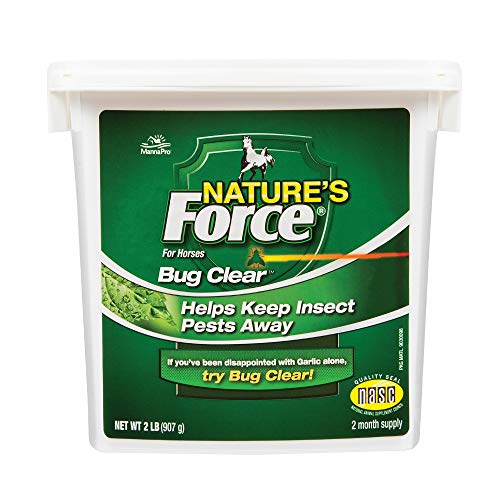
Manna Pro Bio-Sect Insect Repellent
Flies and gnats still gather around bedding and manure even when a horse never leaves the barn. This spray repels both without the heavy chemical smell of older permethrin formulas. A pump bottle gives owners control over coverage, avoiding the aerosol cloud that settles in an enclosed aisle.
Pros
- Pump application skips aerosol buildup indoors
- Milder scent than older permethrin-based sprays
- Covers flies and gnats in one application
Cons
- Needs more frequent reapplication than aerosol sprays
- Loses ground during heavy fly season in busy barns

Farnam Vetrolin Shine Detangling Spray
Rolling in pasture normally helps remove dirt naturally, and stalled horses lose that benefit. A detangling spray manages the matted coat and tail hair that builds up without it. Lanolin conditions skin that dries out fast in a heated or poorly ventilated barn.
Pros
- Lanolin content fights dry indoor coat and skin
- Cuts down tail and mane matting between groomings
- Light enough to use under a blanket without residue
Cons
- Regular grooming still matters, spray is not a shortcut
- Overuse can leave a buildup on longer coats

Uckele Su-Per Vitamin E and Selenium Supplement
Fresh pasture supplies natural vitamin E, a source horses lose access to during stall rest. This powder top-dresses onto daily feed and supports muscle and immune function when grazing time drops. Selenium content varies by product, so check it against regional soil levels before feeding daily.
Pros
- Replaces vitamin E lost when grazing time drops
- Mixes into most feed without a fuss
- Supports immune function during limited turnout
Cons
- Selenium dosing needs regional soil knowledge first
- Noticeable effects take several weeks to appear
How they compare
| # | Model | Form | Best for | Score | Price |
|---|---|---|---|---|---|
| 1 | Absorbine Hooflex Thrush Remedy | Liquid with brush applicator | Best overall | 9.2 | Check price |
| 2 | Durvet Horse Health Vetrolin Leg Wash | Liquid wash concentrate | Best for circulation support | 8.9 | Check price |
| 3 | Vetericyn Plus Wound and Skin Care Spray | Trigger spray | Best for wound care | 8.8 | Check price |
| 4 | Farnam Sore No-More Classic Liniment Gel | Gel | Best for muscle stiffness | 8.6 | Check price |
| 5 | Manna Pro Bio-Sect Insect Repellent | Pump spray | Best for barn insect control | 8.4 | Check price |
| 6 | Farnam Vetrolin Shine Detangling Spray | Spray | Best for coat and skin maintenance | 8.2 | Check price |
| 7 | Uckele Su-Per Vitamin E and Selenium Supplement | Powder supplement | Best for nutritional support | 8.0 | Check price |
How to choose
What changes when a horse is on stall rest Movement, grazing and hoof conditioning all drop once a horse comes off pasture. Damp bedding raises thrush risk even in a barn mucked out daily. Owners managing stall rest need supplies matched to these specific gaps, not a generic first aid box. Hoof and leg care come first, then extras layer on top.
How to catch thrush early during box rest Thrush spreads fastest in stalls that stay damp between mucking, regardless of bedding quality. Daily hoof picking paired with a treatment like Hooflex stops the infection before it reaches the frog. Dry, cracked hooves need a different fix than thrush, so confirm which problem is present first. Call a farrier if symptoms persist past a week of home care.
Why legs and muscles need extra support indoors Standing in one spot for long stretches lets fluid pool in the legs, often most visible by evening. Leg washes and liniments support circulation, but neither replaces hand walking once a vet clears it. Stiffness after stall rest often eases with light in-hand movement and a warming gel beforehand. Heat or sensitivity in a leg signals a vet visit, not more home treatment.
How to handle cuts and dry skin in the barn Feeders, stall edges and blanket buckles still catch stalled horses off guard. A wound spray that skips the sting encourages more consistent daily checks for new scrapes. Less rolling and pasture time dries out skin and coat faster, especially in heated winter barns. Treat wound care and grooming as one routine rather than two separate chores.
Good to know
What health supplies does a stalled horse need most?
Hoof care for thrush prevention, a leg wash for circulation and a basic wound spray cover the most common stall-related issues. Add nutritional support if grazing and turnout are both limited.
How often should thrush be checked during stall rest?
Daily hoof picking catches thrush early, before it spreads deep into the frog. Damp bedding raises the risk even in barns cleaned every day.
Can stall rest cause leg swelling?
Reduced movement limits natural circulation, so legs can fill with fluid by evening. Leg washes support circulation, but persistent swelling still needs a veterinary check.
Is fly spray necessary for a horse kept indoors?
Yes, since flies and gnats gather around bedding and manure inside barns, not just pasture. A pump spray works well in enclosed aisles without heavy aerosol buildup.
Do stalled horses need vitamin E supplements?
Fresh pasture is a natural vitamin E source, so horses off grass for stall rest may benefit from a supplement. Check with a vet on dosing, since selenium levels vary by region.
What is the difference between liniment and leg wash?
Liniment gels focus on warming stiff muscles, while leg washes target circulation and cooling in the lower legs. Many barns keep both on hand for different situations.
How do you treat a minor cut on a stalled horse?
A gentle, non-stinging wound spray like Vetericyn Plus cleans the area without gauze for small cuts. Deeper wounds still need veterinary attention regardless of the spray used.
Can grooming products help a horse on stall rest?
Yes, since reduced rolling and turnout means less natural dirt and oil removal from the coat. Lanolin-based sprays help manage the dryness that shows up more in barn-kept horses.
Which product works best for a horse prone to thrush?
Absorbine Hooflex Thrush Remedy targets the bacteria directly and includes a brush applicator for the hoof grooves where thrush usually starts. Daily hoof picking still matters alongside it.
The bottom line
Owners managing a horse on stall rest gain the most from covering hooves first. Absorbine Hooflex Thrush Remedy addresses the top indoor health risk directly, and pairing it with Durvet’s Vetrolin Leg Wash supports circulation when turnout drops. Keep Vetericyn Plus on hand too, since minor cuts still happen even without a paddock nearby.


