Picking an Impact Driver for Tough Fasteners
The Milwaukee M18 Fuel 2853 is our top overall impact driver for its high torque, four-mode DRIVE CONTROL and compact head. The DeWalt DCF887 leads on all-around value with three speeds and a proven motor, while the Makita XDT13 wins for lightweight comfort on long jobs.
If you want one driver that handles decks, framing and cabinet work, the Milwaukee M18 Fuel 2853 is the safest pick for most users, with the DeWalt DCF887 for balanced value and the Makita XDT13 for lightweight all-day use.
Impact drivers are tricky to shop for because brands quote peak torque in different ways and rarely tell you how a tool behaves at low speed on delicate fasteners. We compared published specifications, motor and speed-mode designs and long-run owner reports to rank drivers on the traits that matter most: usable torque, precise speed control, head length in tight spaces, and the cost of staying on each battery platform.
The best picks, ranked

Milwaukee M18 Fuel 2853 Impact Driver
The Milwaukee 2853 pairs one of the shortest heads in its class with four-mode DRIVE CONTROL, so owners report it fits into tight bays while still offering a self-tapping mode that reduces stripped screws. Based on specifications it delivers strong torque for driving lags and structural screws. It is a premium tool, and the higher output means more recoil than lighter compact drivers.
Pros
- Very short head reaches tight spaces
- Four speed modes improve control
- Strong torque for heavy fasteners
Cons
- Premium price for the kit
- More recoil than compact models
DeWalt DCF887 Impact Driver
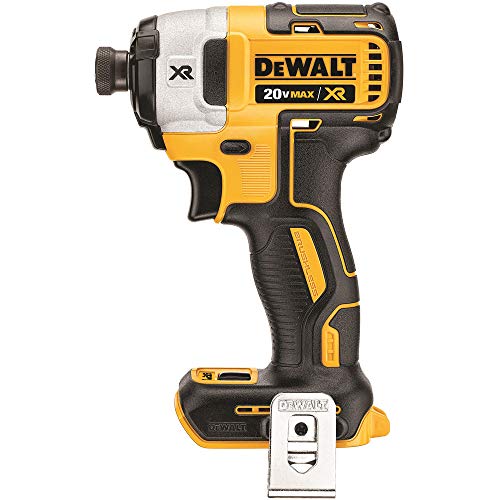
The DeWalt DCF887 is the driver many trades reach for because it balances three-speed precision with a brushless motor that owners say holds up over years of daily use. The three LED ring lights around the chuck are a small touch reviewers praise for low-light work. The head is slightly longer than the Milwaukee, so very tight corners can be a squeeze.
Pros
- Three precise speed settings
- Durable brushless motor
- Ring of LEDs lights the fastener
Cons
- Head is longer than some rivals
- No dedicated self-tapping mode

Makita XDT13 Impact Driver
The Makita XDT13 is prized for its light weight and compact grip, which owners say cuts wrist fatigue during long overhead runs. Its variable-speed trigger gives smooth ramp-up on small screws, and the brushless motor keeps runtime efficient. It offers less peak torque than the Milwaukee and DeWalt, so it is better suited to general and finish work than heavy structural driving.
Pros
- Light and easy on the wrist
- Smooth variable-speed control
- Compact head for cabinet work
Cons
- Lower peak torque than top picks
- Single default power mode

Bosch GDX18V-1800 Two-In-One Impact Driver
The Bosch GDX18V-1800 combines a 1/4 inch hex chuck and a 1/2 inch square drive in one head, so owners can switch between driver bits and impact sockets without a second tool. Reviewers like the versatility for mixed automotive and building tasks. The dual chuck adds a little length and weight, and the socket side is less powerful than a dedicated impact wrench.
Pros
- Handles bits and sockets in one tool
- Good for mixed auto and build tasks
- Solid torque for the size
Cons
- Dual chuck adds length
- Weaker than a true impact wrench

Ridgid R86037 Subcompact Impact Driver
The Ridgid R86037 is a subcompact brushless driver that owners choose partly for the brand’s Lifetime Service Agreement on registered tools. It keeps the head short and the weight low while still offering three speed modes. Based on specifications the peak torque trails the flagship Milwaukee and DeWalt, so it fits DIY and light professional use best.
Pros
- Lifetime Service Agreement when registered
- Short subcompact head
- Three speed modes for control
Cons
- Smaller battery lineup than big brands
- Fewer accessories available

Ryobi ONE+ HP Brushless Impact Driver
The Ryobi ONE+ HP is the value entry many homeowners pick because it runs on the huge ONE+ battery ecosystem that also powers yard and cleaning tools. Owners say the brushless motor drives most household fasteners with ease and the three-speed selector adds welcome control. It feels bulkier than pro-grade compacts and the peak torque suits lighter work.
Pros
- Runs on the large ONE+ battery range
- Affordable brushless option
- Three-speed selector for control
Cons
- Bulkier grip than pro compacts
- Best for lighter household work

Metabo HPT WH18DBDL2 Impact Driver
The Metabo HPT WH18DBDL2 offers four selectable speed modes and a triple-LED light at a friendlier price than the flagship brands. Owners report it handles decking and general fastening well, and the mode selector helps prevent overdriving soft screws. The tool is a touch heavier than the lightest compacts and the battery platform is less widely stocked at local stores.
Pros
- Four speed modes for the price
- Triple-LED lighting reduces shadow
- Capable on decking and general work
Cons
- Heavier than the lightest compacts
- Battery platform less common in stores
How they stack up
| # | Model | Voltage | Best for | Score | Price |
|---|---|---|---|---|---|
| 1 | Milwaukee M18 Fuel 2853 Impact Driver | 18V M18 platform | Best overall | 9.4 | Check price |
| 2 | DeWalt DCF887 Impact Driver | 20V MAX platform | Best value | 9.2 | Check price |
| 3 | Makita XDT13 Impact Driver | 18V LXT platform | Best lightweight | 9.0 | Check price |
| 4 | Bosch GDX18V-1800 Two-In-One Impact Driver | 18V platform | Best two-in-one | 8.8 | Check price |
| 5 | Ridgid R86037 Subcompact Impact Driver | 18V platform | Best warranty | 8.6 | Check price |
| 6 | Ryobi ONE+ HP Brushless Impact Driver | 18V ONE+ platform | Best budget | 8.4 | Check price |
| 7 | Metabo HPT WH18DBDL2 Impact Driver | 18V platform | Best for DIY | 8.2 | Check price |
What matters most
How we chose these impact drivers We built this ranking by comparing published torque and speed specifications, motor and mode designs, and the patterns that show up across long-term owner reports rather than any single job. We weighted usable torque, precise speed control, head length in tight spaces and the value of each battery platform, since those are the traits that decide whether a driver becomes a daily tool or stays in the case.
Torque and speed control Peak torque tells you how hard a driver can hit, but speed control decides how often you strip a screw. Flagship models like the Milwaukee 2853 and Metabo HPT offer four modes including self-tapping and assist settings, while the DeWalt and Ridgid use three speeds. A lighter model such as the Makita relies on a smooth trigger, which is fine for finish work but less forgiving on big lags.
Size, weight and reach Impact drivers spend a lot of time in awkward positions, so head length and weight matter more than raw power for many jobs. Subcompact and compact heads reach into cabinet frames and stud bays a longer tool cannot, and shaving weight cuts wrist fatigue on overhead runs. If you frame or hang overhead often, prioritize a short, light body over the highest torque number.
Battery platform and value The tool is only part of the cost, since batteries and chargers add up fast. Staying on one platform means every new tool shares packs, so the Ryobi ONE+ and the big yellow and red ecosystems reward owners who plan to expand. Check how many tools and battery sizes a platform offers locally before committing, as a cheaper bare tool on a thin lineup can cost more over time.
Questions worth asking
What is the difference between an impact driver and a drill?
A drill uses steady rotation and a keyless chuck for bits and hole saws, while an impact driver adds rotational hammering blows to drive long screws and lags with far less wrist strain. Most owners keep both, using the drill for holes and the driver for fasteners.
How much torque do I need in an impact driver?
For general home use, a model in the 1500 to 1800 in-lbs range handles nearly every household screw and small lag. Heavy structural work, decking and large lags benefit from 1800 in-lbs or more, which is where the Milwaukee, Ryobi HP and Ridgid sit.
Can an impact driver be used to remove bolts?
Yes for lighter bolts using an impact-rated socket adapter, but a 1/4 inch hex driver is not a substitute for a true impact wrench on lug nuts or seized hardware. The Bosch two-in-one bridges the gap with its 1/2 inch square drive for light socket work.
Why is an impact driver better for long screws?
The concussive blows let an impact driver keep turning a fastener that would stall a standard drill, and the hex bits resist cam-out better than a chuck. Owners report far less wrist twist when driving long deck screws or structural fasteners.
Do I need impact-rated bits?
Yes. Standard driver bits can shatter under the sudden blows an impact driver delivers, so use bits and sockets labeled impact rated. They use tougher steel and a torsion zone that flexes instead of snapping.
Are brushless impact drivers worth it?
For most buyers, yes. Every driver in this guide is brushless, which owners report runs cooler, lasts longer and squeezes more work from each charge than older brushed motors. The efficiency gain is most noticeable on big battery-draining jobs.
Which impact driver has the best warranty?
The Ridgid R86037 stands out because registered tools qualify for the brand’s Lifetime Service Agreement covering parts, service and even batteries. The major brands typically offer a three-year limited warranty on the bare tool.
Can I use any brand battery in my impact driver?
No. Batteries are platform specific, so a 20V MAX pack will not fit an 18V M18 or LXT tool. Choose a platform you plan to grow into, since every added tool shares the same packs and charger.
Is a compact or full-size impact driver better?
Compact and subcompact drivers reach into tight cabinet and stud spaces and reduce fatigue, which suits most home and finish work. Full-size drivers add torque and battery capacity for heavy structural fastening, so match the size to the jobs you do most.
How loud are impact drivers?
The internal hammering makes impact drivers noticeably louder than a drill, especially under heavy load. Owners often wear hearing protection for extended sessions, and the noise eases once the fastener seats and the mechanism stops hammering.
Our take
For most users the Milwaukee M18 Fuel 2853 is the smartest impact driver, pairing strong torque with a short head and four-mode control that handles delicate and heavy fasteners alike. Value shoppers should look to the DeWalt DCF887 for its proven motor and three speeds, while the Makita XDT13 is the pick when light weight and all-day comfort matter most.