Cutting Cycling Gear Weight Without Losing Safety
Bell’s Z20 MIPS road helmet, Garmin’s Edge 130 Plus GPS computer, and Arundel’s Carbon Bottle Cage top this comparison. The helmet holds MIPS protection at a race-helmet weight, the computer tracks rides at 33 grams, and the cage trims bottle-mount weight to 24 grams.
Bell’s Z20 MIPS suits road riders who want rotational-impact protection without a weight penalty. A MIPS Brain Protection System sits inside an in-mold polycarbonate shell, weighing around 250 grams in a medium. Ventilation trails behind pricier aero-vented shells, so hot-climate racers may prefer a different helmet.
Rarely do weight, certification, and real-world durability line up in one product, which makes trimming grams without cutting corners difficult. We compared manufacturer specifications, safety standards such as MIPS and CPSC, and owner feedback on durability across seven accessory categories, from helmets and lights to pumps and tools.
Our top picks
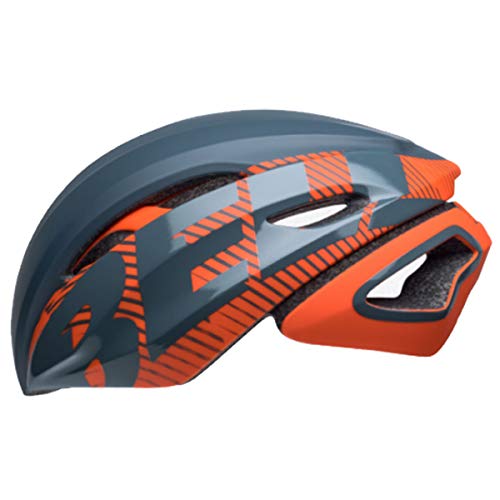
Bell Z20 MIPS Road Helmet
A MIPS Brain Protection System sits inside Bell’s in-mold polycarbonate shell, cutting rotational-impact force at a road-race weight. Twenty vents route air over the head during climbs, and the Float Fit Race dial adjusts with one hand. Owners report the fit runs true to size across Bell’s shell range.
Pros
- MIPS layer reduces rotational impact forces
- One-hand Float Fit Race dial adjusts fit mid-ride
- Meets the CPSC bicycle helmet safety standard
Cons
- Ventilation trails higher-priced aero road helmets
- No integrated mount for a rear light

Cateye Volt 400 XC Front Light
Up to 400 lumens come from a USB-rechargeable lithium battery in Cateye’s Volt 400 XC, enough for unlit commuter routes. A FlexTight bracket clamps to bars from 22 to 32 millimeters without tools. Five brightness modes stretch runtime from about 1.5 hours on high to 6 hours on low.
Pros
- Bright enough for unlit roads at commuting speed
- USB charging skips a separate charger
- Bracket fits multiple handlebar diameters
Cons
- Low mode dims below 50 lumens
- Battery indicator shows only two charge levels

Topeak Aero Wedge Pack
A spare tube, tire levers, and a multi-tool tuck under the saddle in Topeak’s Aero Wedge Pack without adding bulk. Ripstop nylon resists tears from saddle-rail rubbing, and a hook-and-loop strap skips any seatpost mount. Its small size holds about 0.5 liters, enough for one tube and a CO2 inflator.
Pros
- Low weight adds little drag under the saddle
- Reflective tab improves rear visibility at dusk
- Fits under most saddles without rail clamps
Cons
- Small size limits contents to one tube and one tool
- No external pocket for a phone or key

Arundel Carbon Bottle Cage
A standard bottle fits Arundel’s carbon fiber cage, with a side-entry option that clears small frames with tight seat tube spacing. Unidirectional carbon construction keeps weight near 24 grams per cage. Standard two-bolt mounting works with nearly every frame that already has bottle bosses.
Pros
- Among the lightest cages sold for standard bosses
- Side-entry design clears small frames
- Carbon layup resists cracking that thin plastic cages show over time
Cons
- Less bottle retention tension than rubberized aluminum cages
- Repeated insertion can scratch aluminum bottles

Garmin Edge 130 Plus
GPS, GLONASS, and Galileo positioning fit into a 33-gram unit smaller than a matchbox on Garmin’s Edge 130 Plus. Up to 12 hours of battery life covers most single-day rides before a recharge. ANT+ and Bluetooth connectivity pull data from power meters, heart rate straps, and speed sensors.
Pros
- Multi-GNSS positioning improves route accuracy in cities
- Battery covers most century rides without a backup charger
- Syncs to Garmin Connect for post-ride analysis
Cons
- Monochrome screen shows less data per page than color units
- Button navigation replaces a touchscreen

Crankbrothers M17 Multi-Tool
Seventeen functions, including a chain tool and spoke wrench, fold into a body under 6 inches long on Crankbrothers’ M17. Hardened steel bits handle most hex, Torx, and flathead fasteners found on modern bikes. A stainless steel body adds durability but pushes weight above lighter 10-function tools.
Pros
- Chain tool handles trailside chain repairs without a separate tool
- Torx sizes cover common disc brake rotor bolts
- Folding design keeps tools from rattling in a bag
Cons
- Heavier than minimalist 8-function tools
- Spoke wrench fits only a limited set of nipple sizes

Lezyne Pressure Drive Mini Pump
A CNC-machined aluminum barrel lets Lezyne’s Pressure Drive reach up to 120 psi by hand, enough for narrow road tires. The ABS2 valve head threads onto Presta or Schrader valves for a secure seal during inflation. A frame-mount bracket carries the pump on bottle boss bolts.
Pros
- Reaches high enough pressure for narrow road tires
- ABS2 head reduces valve core stress versus push-on heads
- Mounts out of the way on bottle bosses
Cons
- Reaching 120 psi by hand takes more strokes than a floor pump
- Small barrel inflates slower than larger frame pumps
Side by side
| # | Model | Weight | Best for | Score | Price |
|---|---|---|---|---|---|
| 1 | Bell Z20 MIPS Road Helmet | 250 g (medium) | Best overall | 9.4 | Check price |
| 2 | Cateye Volt 400 XC Front Light | 400 lumens | Best for commuting visibility | 9.2 | Check price |
| 3 | Topeak Aero Wedge Pack | 0.5 L (small) | Best budget | 8.9 | Check price |
| 4 | Arundel Carbon Bottle Cage | 24 g | Best for shaving grams | 8.7 | Check price |
| 5 | Garmin Edge 130 Plus | 33 g | Best for tracking rides | 8.5 | Check price |
| 6 | Crankbrothers M17 Multi-Tool | 17 | Best for roadside repairs | 8.2 | Check price |
| 7 | Lezyne Pressure Drive Mini Pump | 120 psi | Best for high-pressure road tires | 8.0 | Check price |
Before you buy
What Makes a Cycling Accessory Genuinely Lightweight Grams saved on a helmet or bottle cage rarely come free. Carbon fiber and CNC-machined aluminum cut weight but raise cost and sometimes trade away durability compared to steel or nylon. A MIPS helmet, a carbon cage, and a CNC-machined pump barrel each give up some impact resistance or bulk for lower mass. Riders should weigh grams saved against how often a part gets crashed, dropped, or scraped against pavement.
Building a Lightweight Commuter Setup Visibility matters more than raw weight savings for commuters. A 400-lumen front light like the Volt 400 XC counts for more on unlit streets than shaving grams off a helmet. Pairing it with a compact saddle bag holding a tube and multi-tool keeps a flat tire from ending the ride. Reflective details on bags and light housings add safety without meaningful weight.
What Road Racers Should Prioritize Rotating and bike-mounted weight comes first for racers chasing marginal gains. A carbon bottle cage and a sub-40-gram GPS computer trim mass from the bike itself rather than the rider. Helmet weight matters too, but MIPS protection should not be sacrificed purely to save 20 grams. A lightweight helmet paired with a compact computer also keeps the cockpit clean for aerodynamics.
When to Choose Durability Over Grams Not every ride rewards the lightest option available. A 17-function multi-tool weighs more than a minimalist 8-function version but covers more roadside repairs on longer routes. Riders who tour or commute daily benefit from a steel-bodied pump and tool over ultralight race-only gear. Once a ride leaves smooth pavement, durability under repeated use often matters more than the last few grams.
Good to know
What is the lightest bike helmet with MIPS protection?
Weight varies by brand and size, but the Bell Z20 MIPS lands around 250 grams in a medium, competitive with many unvented race helmets while still including MIPS rotational protection.
How many lumens do I need for a commuter bike light?
Around 300 to 400 lumens covers most unlit roads at commuting speed. The Cateye Volt 400 XC sits at the upper end of that range for daytime and night visibility.
Are carbon bottle cages worth the extra cost?
A carbon cage like the Arundel model saves roughly 15 to 20 grams over a typical aluminum cage. That savings matters most to racers counting total bike weight, less to casual riders.
Which bike computer works best for tracking training data?
The Garmin Edge 130 Plus covers GPS-based distance, speed, and ANT+ sensor data at 33 grams, enough for most riders without the bulk of a full-color touchscreen unit.
Do I still need a multi-tool if I already carry a saddle bag?
Yes. A saddle bag like the Topeak Aero Wedge Pack holds a tube and levers, but a separate multi-tool such as the Crankbrothers M17 handles bolt and chain repairs the bag cannot.
Can a mini pump reach enough pressure for road tires?
The Lezyne Pressure Drive reaches up to 120 psi by hand, enough for most narrow road tires, though it takes more strokes than a floor pump would need.
What changes between lightweight commuting gear and race-day gear?
Commuting gear prioritizes visibility and storage, such as lights and saddle bags. Race-day gear prioritizes rotating and bike-mounted weight, such as carbon cages and minimal computers.
Is it safe to buy a lighter helmet just to save weight?
Check for a recognized safety standard first. The Bell Z20 MIPS keeps MIPS protection at a competitive weight, so skip unvented or unbranded shells that drop certification just to save grams.
How much weight can these seven accessories save combined?
Swapping a standard helmet, cage, and computer for these picks can trim several hundred grams off a typical setup, mostly from the carbon cage and compact GPS unit rather than the helmet.
The verdict
Bell’s Z20 MIPS earns the overall recommendation, since it holds rotational-impact protection at a weight competitive with unvented race helmets. Commuters riding unlit streets should choose the Cateye Volt 400 XC instead, since visibility matters more than helmet grams after dark. Racers chasing marginal gains should pair the Arundel Carbon Bottle Cage with the Garmin Edge 130 Plus for the lowest combined cockpit and hydration weight.