Motorcycle Exhausts for Better Sound and Less Weight
The Yoshimura RS-9T slip-on is the best balance of weight saving, tone and fitment across the widest range of bikes. Akrapovic Slip-On Line leads on materials and finish for premium builds, and Vance & Hines Twin Slash mufflers remain the reference choice for V twin cruisers.
For most riders the Yoshimura RS-9T slip-on is the exhaust to buy, with the Akrapovic Slip-On Line the upgrade if materials and finish matter more than outlay and the Vance & Hines Twin Slash the natural pick for a V twin cruiser.
Exhaust choice is unusually hard to research because sound is subjective, weight claims are measured differently between brands, and half the products on the market are not street legal everywhere. We compared current slip-ons and systems on published specifications, construction, stated fitments and what owners report about drone, fuelling and long term finish.
Our top picks
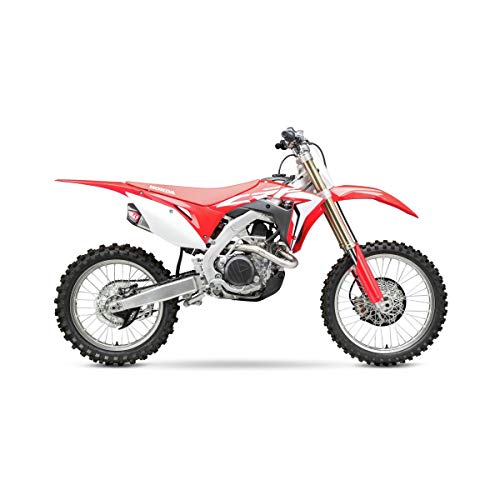
Yoshimura RS-9T Slip-On Exhaust
The RS-9T is the slip-on most riders should look at first, pairing a serious weight reduction over a stock canister with a tone that is deep without turning into highway drone. Yoshimura’s fitment coverage across sport and naked bikes is among the widest available. Owners report bolt on installation in under an hour with no fuelling changes needed on most applications.
Pros
- Substantial weight saving over stock
- Broad model coverage across sport and naked bikes
- Deep tone without excessive highway drone
Cons
- Removing the insert makes it loud fast
- Carbon sleeve versions cost noticeably more

Akrapovic Slip-On Line Exhaust
Akrapovic builds to a standard the rest of the market measures itself against, with titanium and carbon construction and welds that look like jewellery. The tone is refined rather than aggressive, which suits riders who want presence without shouting. Based on specifications it is one of the lightest slip-on options on the market for its fitment range.
Pros
- Outstanding materials and weld quality
- Among the lightest slip-ons available
- Refined tone that suits long rides
Cons
- The most expensive way to save weight
- Carbon end caps mark if heat shielded poorly

Vance & Hines Twin Slash Slip-On Mufflers
The Twin Slash is the canister that defined the modern cruiser sound, delivering the low, loping note V twin riders are actually shopping for. Fitment is aimed squarely at Harley platforms, with brackets and hardware included. Owners report a fuelling adjustment is usually worth doing afterwards to get the most from the freer flow.
Pros
- Signature cruiser tone
- Straightforward bolt on fitment
- Chrome and black finishes available
Cons
- Benefits from a fuel management module
- Heavier than titanium sport slip-ons
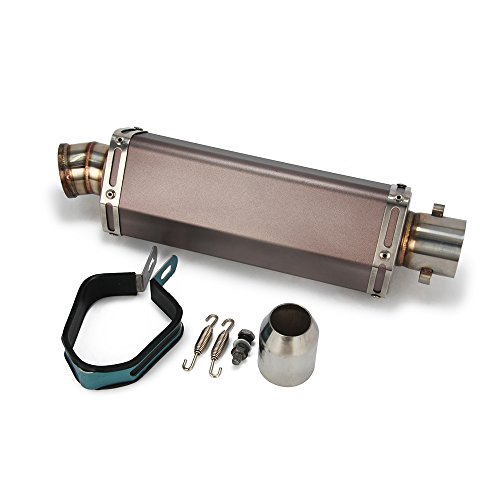
Two Brothers Racing S1R Slip-On Exhaust
The S1R is built around a short, wide canister that drops weight aggressively and keeps mass close to the bike’s centre. That is exactly what you want when you are chasing lap times rather than commuting. Based on specifications it is one of the lighter slip-ons in its price band, and the removable baffle lets you meet most club day sound limits.
Pros
- Aggressive weight reduction
- Compact canister keeps mass centralised
- Baffle helps with club sound limits
Cons
- Loud and drone prone with baffle removed
- Aluminium sleeve scuffs more easily than steel

Cobra RPT Slip-On Mufflers
Cobra’s RPT design targets riders who want a stronger note but still plan to cover long highway miles, so the internal design is tuned to reduce the resonance that makes some cruiser pipes exhausting after two hours. The finish quality holds up well to weather. Owners report it is noticeably more liveable than open baffle alternatives on touring routes.
Pros
- Less highway drone than open designs
- Durable weather resistant finish
- Meaningful tone gain over stock
Cons
- Not as loud as some riders expect
- Adds little weight saving

Delkevic Stainless Steel Slip-On Exhaust
Delkevic has built a reputation on stainless slip-ons that cover older and less fashionable models the big brands ignore. Construction is honest stainless rather than exotic material, and link pipes are sold for a long list of bikes. Owners report the sound is closer to a traditional four cylinder rasp than the deep tone of premium canisters, which many riders actually prefer.
Pros
- Covers models other brands skip
- Stainless construction resists corrosion
- Strong value for the build quality
Cons
- Heavier than titanium alternatives
- Link pipe fit sometimes needs adjustment

M4 Exhaust GP Slip-On
The GP style canister is short, blunt and unapologetic about volume, which is precisely the point for riders who want the bike heard. Weight drops significantly against a stock canister. Based on specifications the insert can be fitted to tame it, but this is not the exhaust to choose if you commute through quiet neighbourhoods every morning.
Pros
- Big weight saving over stock
- Distinct GP canister styling
- Multiple sleeve materials offered
Cons
- Too loud for many neighbourhoods
- Short canister emphasises high frequencies
The lineup, side by side
| # | Model | Type | Best for | Score | Price |
|---|---|---|---|---|---|
| 1 | Yoshimura RS-9T Slip-On Exhaust | Slip-on canister | Best overall | 9.4 | Check price |
| 2 | Akrapovic Slip-On Line Exhaust | Slip-on canister | Best premium | 9.2 | Check price |
| 3 | Vance & Hines Twin Slash Slip-On Mufflers | Slip-on mufflers, pair | Best for V twin cruisers | 9.0 | Check price |
| 4 | Two Brothers Racing S1R Slip-On Exhaust | Slip-on canister | Best for track days | 8.7 | Check price |
| 5 | Cobra RPT Slip-On Mufflers | Slip-on mufflers, pair | Best for touring cruisers | 8.5 | Check price |
| 6 | Delkevic Stainless Steel Slip-On Exhaust | Slip-on with link pipe | Best value | 8.2 | Check price |
| 7 | M4 Exhaust GP Slip-On | GP style slip-on | Best for a loud sport tone | 8.0 | Check price |
What matters most
Slip-on or full system A slip-on replaces the canister and keeps the stock header, which is why it bolts on in an hour, rarely needs a tune and costs a fraction of the alternative. A full system replaces the headers too, unlocking real power gains but almost always requiring fuelling changes and sometimes a dyno session. For street riders, a slip-on delivers most of the weight and sound benefit for a small share of the effort.
Materials and what they actually buy you Stainless steel is durable and affordable but heavy. Titanium cuts significant weight and develops a blue tint near the weld as it heat cycles, which owners either love or hate. Carbon fibre sleeves are usually cosmetic over a metal core and save less weight than people assume. Aluminium is light but scuffs and corrodes faster in salted winter conditions.
Sound, drone and living with your choice Volume is not the same as tone. A canister that sounds superb on a test clip can produce a resonance at highway cruising speed that becomes unbearable on a long ride. Removable baffles help, but note that the insert usually changes both volume and character. If you tour, weight the drone question heavily and read what owners say about the exact cruising range you ride in.
Legality, tuning and emissions Many aftermarket exhausts are sold for closed course use only, and rules on noise limits and catalyst removal vary widely by region and are enforced unevenly. Check local requirements before buying rather than after. On the tuning side, most slip-ons run acceptably on stock fuelling, while full systems and cruiser mufflers on fuel injected bikes usually want a fuel management module to avoid running lean.
Frequently asked questions
Will a slip-on exhaust add power?
On its own, usually very little, often a couple of horsepower at best. The real gains from a slip-on are weight reduction and sound. Meaningful power increases generally need a full system plus fuelling changes.
Do I need a tune after installing a slip-on?
Most slip-ons run fine on stock fuelling because the header and catalyst are unchanged. Full systems, decatted setups and many cruiser muffler swaps do benefit from a fuel management module or a remap to avoid a lean condition.
How much weight can an exhaust save?
It varies by bike, but replacing a heavy stock canister with a titanium or aluminium slip-on commonly removes several pounds. On bikes with large emissions compliant mufflers the difference can be far greater, which you feel most in low speed handling.
Are baffles worth keeping in?
For street riding, generally yes. The insert takes the edge off volume and often reduces the specific frequency that causes highway drone. Many riders fit the baffle for commuting and remove it for track days where sound limits allow.
Will an aftermarket exhaust void my warranty?
It can affect claims related to the exhaust or engine fuelling, and policies differ by manufacturer and region. Keeping the stock parts so the bike can be returned to standard is the practical safeguard, and worth doing regardless for resale.
Why does titanium turn blue?
Heat cycling changes the surface oxide layer, producing the blue and gold tint near the header joint. It is cosmetic rather than structural, and many owners consider it a feature. It cannot be reliably prevented on a working exhaust.
Is a full system worth it for street riding?
Rarely, unless you are chasing every last bit of performance or building a track bike. The cost, the tuning requirement and the emissions implications add up quickly, while the day to day benefit over a good slip-on is modest.
How do I stop my new exhaust from rattling?
Rattles usually come from an under torqued clamp, a missing spring or a bracket that has not settled. Retorque everything after the first heat cycle and again after a few hundred miles, and check that the canister is not contacting a frame rail or pillion peg.
The bottom line
The Yoshimura RS-9T is the exhaust that suits the widest range of riders, delivering real weight saving and a well judged tone without demanding a tune. Spend up to the Akrapovic Slip-On Line if materials and finish matter, or go straight to the Vance & Hines Twin Slash if you ride a V twin and want that specific note. Whichever you pick, keep the stock canister in a box for resale.