School Notebooks That Keep Up With Heavy Use
For most students, the Moleskine Classic Notebook is the top pick because it combines durable construction with smooth, fountain pen friendly paper. It holds up through a semester of daily carrying, but its sewn binding means pages can’t be torn out cleanly if you need to remove sheets.
Choosing the right notebook for school is more than picking a color. Paper quality affects how your ink looks and whether it bleeds through. Binding determines if pages stay put or if you can tear them out for assignments.
We looked at what students and teachers actually report about these notebooks. From budget friendly options to premium hardcovers, each has strengths for specific subjects like math, languages, or lecture notes. This roundup helps you match a notebook to your study habits.
The top picks, ranked

Moleskine Classic Notebook
The Moleskine Classic is a legendary notebook with a thick cardboard cover, sewn binding, and ivory paper that handles most inks without bleed. It lies flat when open, and the elastic closure keeps pages secure. Owners report that the paper is slightly off white, which reduces glare during long study sessions. The included ribbon bookmark and expandable pocket are handy for keeping loose notes.
Pros
- Lies flat for easy writing
- Durable cover protects pages
- Fountain pen friendly paper
Cons
- Pages not perforated
- Higher price than basic notebooks

Five Star Spiral Notebook
Five Star notebooks are a classroom staple because they are inexpensive yet sturdy. The spiral binding allows pages to fold back completely, and the water resistant cover resists spills. Paper is thicker than average at 100 gsm, which prevents ghosting from gel pens. The perforated pages tear out cleanly, making it easy to submit assignments. A built in pocket inside the cover holds handouts and study guides.
Pros
- Affordable price for quality
- Tear out pages without ripping
- Water resistant cover
Cons
- Spiral can snag in backpacks
- Limited color options
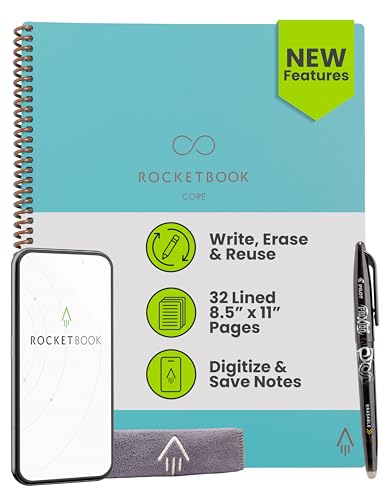
Rocketbook Smart Reusable Notebook
Rocketbook uses special pages that you write on with Pilot Frixion pens, then wipe clean with a damp cloth. The accompanying app scans pages and sends them to cloud services like Google Drive or email. Each page has a dot grid pattern that helps the app align scans. Owners appreciate the ability to reuse the same notebook endlessly, reducing paper waste. However, you must use erasable pens, which some find less smooth than traditional ink.
Pros
- Upload notes to cloud apps
- Wipe clean and reuse
- Includes smart tags for organization
Cons
- Requires special erasable pens
- No permanent record unless scanned
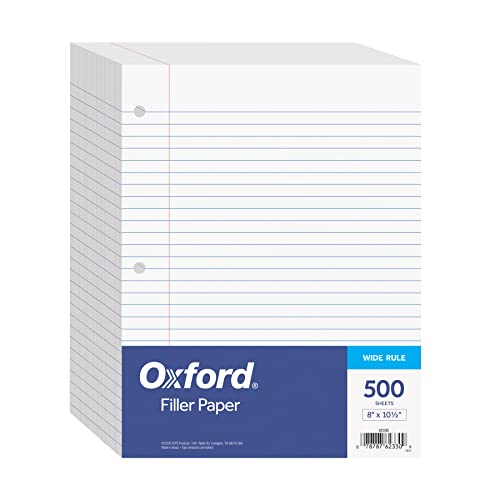
Oxford Filler Paper
Oxford filler paper comes in a pack of 200 sheets that fit any standard three ring binder. The paper is 100 gsm and has a smooth finish that works well with ballpoint and gel pens. Reinforced edges prevent tearing at the holes, a common problem with cheaper paper. This is ideal for students who organize notes by subject in separate binders. The paper is also available in wide rule and college rule, but the college rule option is most popular for high school and college.
Pros
- Reinforced binder holes
- High page count for value
- Smooth writing surface
Cons
- Requires a binder for storage
- Can be heavy to carry

LEUCHTTURM1917 Hardcover Notebook
Leuchtturm1917 is known for its high quality paper that resists bleed through and is a favorite among bullet journalers. The notebook has numbered pages and a table of contents, helping you keep track of content. It comes in many colors and sizes, with a hardcover that withstands backpack use. The paper is 80 gsm, slightly thinner than some competitors, but it holds up well with most pens. Owners report that the ink dries quickly, reducing smudges.
Pros
- Numbered pages and contents page
- Excellent for ink and marker
- Lies flat when open
Cons
- Paper slightly thinner than Moleskine
- Price is higher than average

Mead Composition Notebook
Mead composition notebooks are the classic black and white marble design that has been used in classrooms for decades. They are inexpensive and come in packs, making them a practical choice for multiple subjects. The sewn binding is strong, and the cover is flexible but durable. Paper is 80 gsm and is suitable for pencil and pen, though heavy markers may ghost. This notebook is perfect for students who prefer a no frills option that gets the job done.
Pros
- Very affordable
- Classic design that resists wear
- Lies flat for writing
Cons
- Paper may ghost with heavy ink
- Not perforated
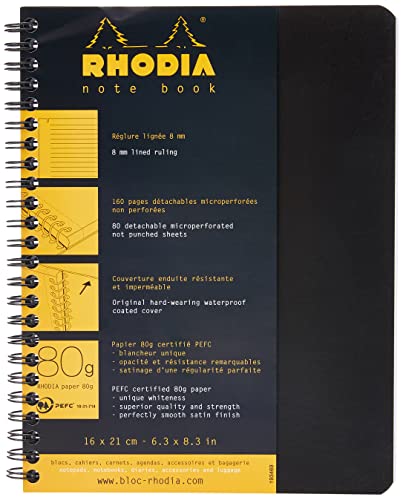
Rhodia Classic Notebook
Rhodia notebooks feature a distinctive orange cover and ultra smooth paper that is a joy to write on. The paper is 90 gsm and has a coated finish that prevents bleed through and feathering, even with fountain pens and brush pens. The wire binding allows pages to lie flat, and the perforated pages tear out easily. Rhodias are available in many sizes, but the A5 size is popular for carrying to class. The micro perforations are clean, leaving no rough edges.
Pros
- Smooth coated paper
- No bleed through with most inks
- Perforated pages remove cleanly
Cons
- Wire binding can bend
- Limited page count
What to look for
Side by side
| # | Model | Paper Weight | Best for | Score | Price |
|---|---|---|---|---|---|
| 1 | Moleskine Classic Notebook | 70 gsm | Students who want a durable, classic hardcover for daily notes | 9.4 | Check price |
| 2 | Five Star Spiral Notebook | 100 gsm | Students who need tough, affordable notebooks for multiple subjects | 9.0 | Check price |
| 3 | Rocketbook Smart Reusable Notebook | Reusable synthetic paper | Tech savvy students who want to digitize handwritten notes | 8.8 | Check price |
| 4 | Oxford Filler Paper | 100 gsm | Students who prefer loose leaf for binder organization | 8.6 | Check price |
| 5 | LEUCHTTURM1917 Hardcover Notebook | 80 gsm | Students who want premium paper for journaling or detailed notes | 9.2 | Check price |
| 6 | Mead Composition Notebook | 80 gsm | Students who need a simple, reliable notebook for class | 8.4 | Check price |
| 7 | Rhodia Classic Notebook | 90 gsm | Students who value smooth paper for fountain pens and markers | 8.9 | Check price |
Frequently asked questions
What paper weight is best for school notebooks?
For most school use, 80 gsm is a good balance. It prevents most bleed through and is still affordable. If you use fountain pens or heavy markers, choose 90 gsm or higher. If you only use pencils or ballpoints, 70 gsm works fine.
Are spiral notebooks better than bound notebooks?
Spiral notebooks fold back and allow you to tear out pages easily. Bound notebooks are more durable and less likely to snag. The choice depends on your preference for portability and page removal.
Can I use a Rocketbook with regular pens?
No, Rocketbook requires Pilot Frixion erasable pens. Regular ink will not erase and may damage the pages. The pens are easy to find and come in various colors.
What is the difference between college ruled and wide ruled?
College ruled paper has 9/32 inch spacing, which fits more lines per page. Wide ruled has 11/32 inch spacing, making it easier for younger students or those with larger handwriting. High school and college students often prefer college ruled.
How many pages should a school notebook have?
For a semester long class, 70 to 100 pages is typical. If you take extensive notes, consider 200 page notebooks. Loose leaf paper allows you to add pages as needed.
Are hardcover notebooks worth the extra weight?
Hardcovers protect pages better in backpacks and offer a flat writing surface. They are heavier, so if you carry many books, a softcover may be more practical. Many students use a hardcover for one main subject and softcovers for others.
Do notebook pages need to be perforated?
Perforation is useful if you tear out pages for assignments or to share notes. If you keep everything in the notebook, it’s not necessary. Spiral notebooks often have perforation, while sewn notebooks usually do not unless specified.
Can I use highlighters on notebook paper?
Yes, but thinner paper may bleed or ghost. For heavy highlighting, choose 90 gsm paper or more. Test a small area first if you’re unsure.
What size notebook is best for carrying to class?
A5 (about 6 x 8 inches) fits most bags and is light. Letter size (8.5 x 11) is better for detailed diagrams but heavier. Some students use an A5 for notes and transfer to a binder later.
Final word
If you want a single notebook that will last the term and handle any pen, choose the Moleskine Classic. Its durable build and premium paper make it worth the investment. For a more affordable option that still offers great quality, the Five Star Spiral is a reliable pick. Students who prefer digital backups should consider Rocketbook, while those who love smooth ink will appreciate Rhodias coated paper. Ultimately, the best notebook is one that matches your note taking style and organizational habits.



