How to Pick a Soft, Safe Rug for the Nursery
Lorena Canals Hippy Stars is the top nursery rug overall, a machine washable cotton rug soft enough for bare knee crawling. The nuLOOM Blythe Moroccan wins on style for less money, and the Ottomanson washable line wins on pure practicality.
Spit-up, diaper leaks and eventually toddler snacks all land on a nursery rug, so washability counts as much as softness. Our top pick is the machine washable Lorena Canals Hippy Stars, with the nuLOOM Blythe Moroccan as the strongest budget-friendly runner up.
Plush rugs feel best under crawling knees but trap the most mess, while flatweaves clean up fast yet feel harder underfoot, which makes this comparison genuinely tricky. We weighed fiber content, pile height, machine washability and backing materials, then checked owner reports on how each rug held up after a year of baby traffic.
Our top picks

Lorena Canals Hippy Stars Washable Rug
Natural cotton and non-toxic dyes go into every handmade unit, and the whole rug fits inside a home washing machine when accidents happen. A soft, low-loop texture cushions crawling knees without shedding fluff near small mouths. Star motifs in muted tones suit gender-neutral nurseries and outlast the transition to a big-kid room.
Pros
- Full machine washability, not spot-clean-only
- Cotton stays soft against bare skin
- Design outlasts the nursery years
Cons
- Costs more than conventional kids rugs
- Slides on hard floors without a rug pad
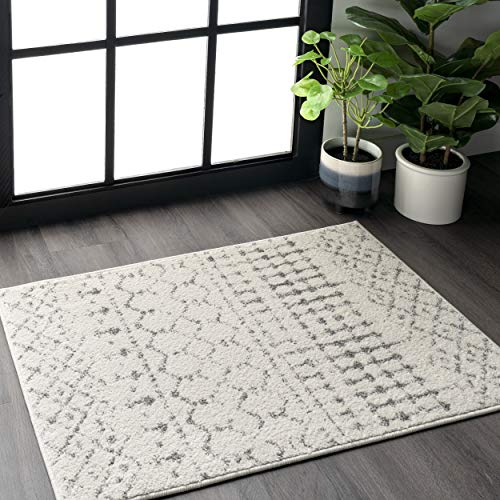
nuLOOM Blythe Moroccan Area Rug
A soft polypropylene pile gives this Moroccan trellis rug plush comfort at a friendly price tier. Its pattern hides crumbs and stains between cleanings better than a solid color would. Synthetic fibers resist moisture-based staining, so spot cleaning handles most nursery incidents without a full wash.
Pros
- Trellis pattern camouflages daily mess
- Soft enough for tummy time
- Wide size range fits any nursery
Cons
- Not machine washable
- Sheds lightly during the first few weeks

SAFAVIEH Kids Collection Rug
Playful animals, alphabets and clouds appear in nursery-friendly palettes across this hand-tufted line. A dense wool-blend or cotton pile, depending on the design chosen, holds up through years of floor play. Reinforced canvas backing keeps the shape flat once children start cruising along furniture.
Pros
- Designs kids engage with during floor play
- Dense pile stands up to years of use
- Flat backing reduces trip-prone curling
Cons
- Wool blends need gentler stain treatment
- Heavier to lift for cleaning underneath

Unique Loom Sofia Collection Area Rug
A low, easy-rolling pile brings traditional styling to nurseries on tight budgets. Doors clear it without catching, gliders rock evenly across it, and wheeled toys actually roll instead of dragging. Polypropylene fibers wipe clean of most baby messes with mild soap and water.
Pros
- Very low cost per square foot
- Low pile suits gliders and doorways
- Vintage look hides stains well
Cons
- Thin cushioning for crawling without a pad
- Edges curl when the rug is new

Momeni Lil Mo Whimsy Rug
Mod acrylic yarns get hand-tufted into thick, cushiony scenes of rockets, safaris and streetscapes. Dense pile provides genuine knee padding for crawlers without needing a separate play mat. Colorfast yarns keep their brightness through years of sun exposure and regular vacuuming.
Pros
- Genuine cushioning for crawlers
- Scene designs double as a play surface
- Colorfast yarns resist fading
Cons
- Too thick to fit under some doors
- Spot cleaning only, no machine washing

Well Woven Star Bright Kids Rug
Bold stars on a bright ground turn this rug into the focal point of a toddler room transition. Jute-backed polypropylene pile takes ride-on toys and juice spills without much complaint. A 0.4 inch pile height balances softness against easy vacuum passes.
Pros
- Withstands ride-on toy traffic
- Bold colors energize a toddler space
- Easy vacuuming at this pile height
Cons
- Jute backing needs a pad on hardwood
- Brightness may clash with soft nursery palettes

Ottomanson Machine Washable Non-Slip Rug
Rubber non-slip backing combines with full machine washability, making this the utility player of nursery flooring. It works best under the changing table or crib-side, wherever accidents concentrate. Low pile dries fast after a wash cycle, ready before the next nap even ends.
Pros
- Survives weekly washing without warping
- Grips bare floors without a separate pad
- Cheap enough to buy for multiple zones
Cons
- Utilitarian look, limited nursery charm
- Thin pile offers minimal crawl cushioning
How they compare
| # | Model | Material | Best for | Score | Price |
|---|---|---|---|---|---|
| 1 | Lorena Canals Hippy Stars Washable Rug | 100 percent natural cotton | Best overall | 9.4 | Check price |
| 2 | nuLOOM Blythe Moroccan Area Rug | Polypropylene pile | Best value style | 9.2 | Check price |
| 3 | SAFAVIEH Kids Collection Rug | Wool blend or cotton, by design | Best playful designs | 9.0 | Check price |
| 4 | Unique Loom Sofia Collection Area Rug | Polypropylene | Best budget | 8.8 | Check price |
| 5 | Momeni Lil Mo Whimsy Rug | Hand-tufted mod acrylic | Best plush hand-tufted | 8.6 | Check price |
| 6 | Well Woven Star Bright Kids Rug | Polypropylene, jute backing | Best for toddler rooms | 8.3 | Check price |
| 7 | Ottomanson Machine Washable Non-Slip Rug | Polyester pile, rubber backing | Best pure practicality | 8.0 | Check price |
What to look for
What should you look for in a nursery rug? Washability tops the list, since spit-up, diaper failures and eventually food all reach the floor eventually. Machine-washable rugs like the Lorena Canals and Ottomanson lines reset completely, while spot-clean rugs depend on a quick reaction. Pile height matters next, since thicker means comfier crawling but harder cleaning. Confirm low-VOC materials and a secured or non-slip backing, since rugs on hardwood turn into sleds under running toddlers.
Which rug materials are safest for a baby’s nursery? Natural cotton and wool sidestep the off-gassing concerns some parents raise about synthetics, and cotton washes the easiest of the bunch. Modern polypropylene turns inert once aired out and resists stains better than any natural fiber, making it the practical choice behind budget rugs like the nuLOOM Blythe. Long shag piles trap debris that mouthing babies tend to find, so skip those. Air out any new rug for a few days before the baby arrives, regardless of fiber.
How big should a nursery rug be? A 5×7 rug anchors most standard nurseries, sitting under the crib’s front legs with room left for floor play. Larger rooms do better with an 8×10 so the glider and dresser zones connect visually. Runners and small mats work well as supplements in mess zones, next to the changing table or crib. Leave 12 to 18 inches of bare floor at the walls for a proportioned look.
How do you keep a nursery rug clean and safe? Vacuum weekly on low suction to lift dust that crawling babies stir into breathing range. Blot spills immediately with water and mild soap, since protein-based stains like milk set hard if left overnight. Machine-washable rugs benefit from a monthly wash cycle during the crawling year. Add a non-slip pad under any rug lacking rubber backing, both for safety and extra crawl cushioning.
Questions worth asking
What is the best rug material for a nursery?
Washable cotton leads for cleanability and skin softness, which is why the Lorena Canals rugs top this list. Polypropylene ranks as the best synthetic, resisting stains and moisture at a lower cost.
Are machine washable rugs worth it for a nursery?
Yes, for most families. Diaper leaks and spit-up happen constantly rather than occasionally, and a rug you can fully wash rather than blot stays genuinely hygienic through the crawling months.
Is a thick or thin rug better for a crawling baby?
Medium pile around 0.4 to 0.6 inches balances knee cushioning against cleanability. Very thick piles like the Momeni Lil Mo feel great but demand more diligent vacuuming, while flat weaves may need a pad underneath for comfort.
Do you need a rug pad in the nursery?
Yes, unless the rug already has integrated non-slip backing like the Ottomanson. A pad prevents dangerous sliding, adds crawl cushioning, and protects hardwood from backing abrasion.
Can a rug go under a crib?
Yes, placing the crib’s front legs on the rug is a standard layout that anchors the room. Make sure the rug lies completely flat, since curled edges near a crib create trip hazards during night visits.
How often should you clean a nursery rug?
Vacuum weekly, spot clean spills immediately, and deep clean or machine wash monthly during the floor-play stage. Babies breathe closer to the floor than adults, so rug dust matters more here than anywhere else in the house.
Are polypropylene rugs safe for babies?
Yes, cured polypropylene stays chemically stable and does not shed fibers the way some parents worry about. Air out a new rug for several days to release packaging odors before floor play begins.
What size rug fits under a crib?
For a crib against the wall, a 5×7 rug placed perpendicular under the front legs works in most rooms. Larger nurseries with a full furniture set look best over an 8×10.
Nursery rug vs playroom rug, what changes?
Nursery rugs prioritize washability and softness for a single crawling baby, while playroom rugs lean toward durability for multiple kids and rougher toy traffic. A rug like the Well Woven Star Bright bridges both stages well.
Can you use a nursery rug in a toddler’s room later?
Yes, most of these transition well past infancy. Star or scene motifs like the Lorena Canals or Momeni Lil Mo lines suit a toddler bedroom just as easily as a nursery.
Final word
The Lorena Canals Hippy Stars earns the top spot when budget allows, since true machine washability is the feature nurseries actually use week to week. Style-focused parents get the most look per dollar from the nuLOOM Blythe, and an Ottomanson washable mat under the changing table makes a smart addition to any setup. Softness matters, but in a nursery, the washing machine decides the winner.