Top OLED TVs for Movie Nights at Home
The LG C4 Series is the top pick for most movie lovers due to its excellent contrast, wide viewing angles, and accurate colors. It is a solid all-rounder that delivers a stunning cinematic experience out of the box. Its main limitation is that it is not as bright as some QD-OLED models in very bright rooms.
OLED technology is the gold standard for movie watching, offering perfect blacks, infinite contrast, and vibrant colors. With so many models on the market, choosing the right one can be overwhelming.
This guide simplifies your decision by comparing the best OLED TVs available today. Whether you prioritize budget, brightness, or gaming versatility, there is an OLED that fits your needs.
The top picks, ranked

LG C4 Series 65-Inch OLED evo TV
The LG C4 is the sweet spot in LG’s OLED lineup, offering the latest evo panel with improved brightness and a new AI processor. Owners report that it delivers stunning picture quality for movies, with deep blacks and vibrant colors. It also has four HDMI 2.1 ports for future-proofing.
Pros
- Excellent color accuracy out of the box
- Superb black levels and contrast
- Great gaming features including VRR and ALLM
Cons
- Average brightness compared to QD-OLEDs
- No DTS audio support

Sony Bravia XR A80L 65-Inch OLED TV
Sony’s A80L uses the XR Cognitive Processor XR to analyze content like a human eye, producing natural colors and lifelike textures. Movie enthusiasts appreciate its excellent motion handling for fast action scenes. It also works with Acoustic Surface Audio+ for immersive sound from the screen itself.
Pros
- Outstanding color accuracy
- Superb motion processing
- Acoustic Surface Audio+ delivers immersive sound
Cons
- Only two HDMI 2.1 ports
- Premium price point

Samsung S90C 65-Inch OLED 4K TV
The Samsung S90C uses QD-OLED technology, combining quantum dot color with OLED perfect blacks. This results in higher brightness and more saturated colors than standard OLEDs. Owners report that it handles reflections well, making it suitable for bright living rooms. It also supports AMD FreeSync Premium Pro for gaming.
Pros
- High peak brightness
- Wide color gamut
- Great anti-glare screen
Cons
- No Dolby Vision support
- Tizen OS may not appeal to all users

LG B4 Series 55-Inch OLED TV
The LG B4 offers the essential OLED experience at a more accessible price. It features a 120Hz panel, Dolby Vision, and the same α8 AI processor as higher-end models. While it lacks the brightness boost of the C4, it still provides deep blacks and accurate colors for movie night.
Pros
- Lower entry price
- Full HDMI 2.1 bandwidth on all ports
- Solid picture quality for the cost
Cons
- Lower brightness than C4
- Fewer gaming features than the C4

Sony Bravia XR A95L 65-Inch QD-OLED TV
The A95L is Sony’s flagship QD-OLED, combining the best of Sony’s processing with the brightness and color of QD-OLED. It offers exceptional picture quality with deep blacks and brilliant highlights. Owners praise its out-of-the-box accuracy and the impressive Acoustic Surface Audio+ system.
Pros
- Top-tier picture quality
- Superb color volume and brightness
- Excellent sound from screen
Cons
- Very expensive
- Only two HDMI 2.1 ports
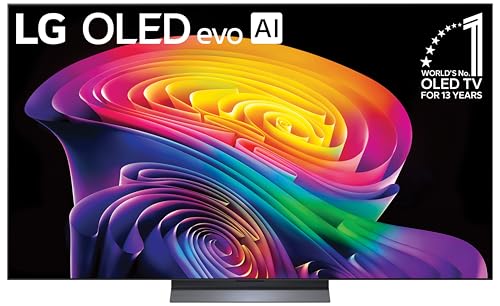
LG G4 Series 65-Inch OLED evo Gallery TV
The LG G4 is designed to sit flush against the wall with its Gallery design. It uses the same evo panel as the C4 but with a more powerful processor and higher peak brightness. It is a fantastic choice for a dedicated home theater where a sleek look matters.
Pros
- Sleek, ultra-thin wall-mount design
- High brightness with excellent contrast
- Superb processing and upscaling
Cons
- No stand included
- Premium price
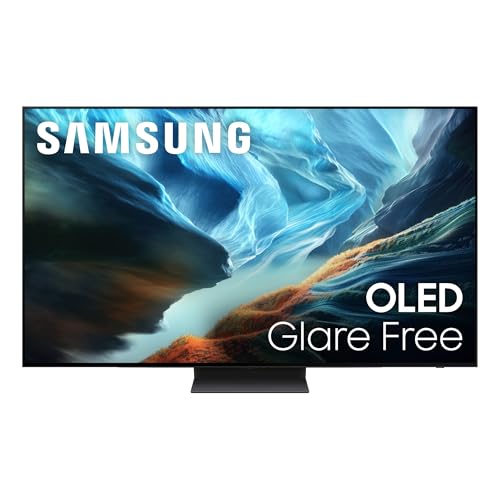
Samsung S95C 65-Inch OLED 4K TV
The Samsung S95C is the step-up QD-OLED from Samsung, offering even higher brightness and a slimmer design. It supports 144Hz refresh rate, making it excellent for gaming on next-gen consoles. For movies, it delivers stunning HDR performance with vivid colors.
Pros
- High 144Hz refresh rate
- Outstanding brightness and color
- One Connect box for clean cable management
Cons
- No Dolby Vision
- Can suffer from permanent burn-in if used for static content
How to pick the right one
The lineup, side by side
| # | Model | Display Size | Best for | Score | Price |
|---|---|---|---|---|---|
| 1 | LG C4 Series 65-Inch OLED evo TV | 65 inches | Overall movie experience | 9.6 | Check price |
| 2 | Sony Bravia XR A80L 65-Inch OLED TV | 65 inches | Movies with accurate colors and motion | 9.4 | Check price |
| 3 | Samsung S90C 65-Inch OLED 4K TV | 65 inches | Bright rooms and vibrant colors | 9.3 | Check price |
| 4 | LG B4 Series 55-Inch OLED TV | 55 inches | Budget-friendly OLED for movies | 9.0 | Check price |
| 5 | Sony Bravia XR A95L 65-Inch QD-OLED TV | 65 inches | Ultimate cinematic experience | 9.5 | Check price |
| 6 | LG G4 Series 65-Inch OLED evo Gallery TV | 65 inches | Wall-mounting with thin design | 9.2 | Check price |
| 7 | Samsung S95C 65-Inch OLED 4K TV | 65 inches | Gaming and movies in bright rooms | 9.1 | Check price |
Common questions
What is the best OLED TV for movies?
The LG C4 is widely considered the best all-round OLED for movies due to its excellent picture quality, accurate colors, and reasonable price. If you have a higher budget, the Sony A95L offers superior brightness and color volume.
Is OLED worth it for movies?
Yes, OLED is worth it for movie lovers because it provides perfect black levels, infinite contrast, and wide viewing angles, which are essential for a cinematic experience at home.
What is the difference between OLED and QLED for movies?
OLED offers true blacks and better contrast because each pixel emits its own light. QLED uses LED backlighting with quantum dots, which can produce bright colors but may suffer from blooming around bright objects. For movies in dark rooms, OLED is generally preferred.
Which brand makes the best OLED TV?
LG and Sony are the leading brands for OLED TVs. LG is known for its evo panels and gaming features, while Sony is praised for its processing and color accuracy. Samsung’s QD-OLED models are also excellent, especially in bright rooms.
Do OLED TVs support Dolby Vision?
Many OLED TVs from LG and Sony support Dolby Vision, which is a dynamic HDR format used in many movies and streaming services. Samsung does not support Dolby Vision; instead, it uses HDR10+.
How long do OLED TVs last?
Modern OLED TVs are rated to last around 100,000 hours of use, which is about 10 years of average viewing. Burn-in is less of a concern with newer models, but it is still wise to avoid static images for long periods.
Can I use an OLED TV for gaming and movies?
Yes, many OLED TVs have features like HDMI 2.1, VRR, and low input lag, making them excellent for gaming as well as movies. The LG C4 and Samsung S95C are popular choices for both.
What is the ideal TV size for movies?
The ideal size depends on your viewing distance. For a 4K TV, a common rule is to sit at a distance of 1 to 1.5 times the screen size. For example, a 65-inch TV is best viewed from 5 to 8 feet away.
Do OLED TVs have burn-in issues?
Burn-in can occur if static images are displayed for many hours over time. However, modern OLEDs have features like pixel shifting and screen savers to mitigate this. For typical movie and TV watching, burn-in is very unlikely.
Which is better: the LG C4 or the Sony A80L?
Both are excellent, but the LG C4 has a slightly brighter panel and more HDMI 2.1 ports, while the Sony A80L offers slightly better motion processing and out-of-the-box color accuracy. Choose the C4 for gaming or if you use multiple HDMI 2.1 devices, and the A80L for pure movie watching with Sony’s processing.
Our pick
For most movie enthusiasts, the LG C4 Series is the best OLED TV because it combines excellent picture quality, solid brightness, and a reasonable price. If you crave the absolute best picture and have the budget, the Sony A95L is the ultimate choice. For a bright room, consider the Samsung S90C.