Which Padded Dog Collar Suits a Sensitive Neck?
Ruffwear’s Hoopie Collar leads with foam-core padding suited to sensitive-necked dogs. Budget owners do well with the Blueberry Pet Soft and Comfortable Collar. Strong or large dogs benefit from the reinforced handle on the Chai’s Choice Premium Outdoor Adventure Collar.
A dog with neck sensitivity, arthritis or a history of collar chafing needs cushioning where fabric meets skin. Ruffwear’s Hoopie Collar delivers that through a foam core. Watching cost closely? The Blueberry Pet Soft and Comfortable Collar covers the basics affordably. Owners of large, strong pullers tend to prefer the reinforced handle on the Chai’s Choice model.
Padding thickness, closure style and hardware quality all affect how a collar sits against a dog’s neck over months of daily wear. We compared padding material, closure type, hardware and reflective visibility across seven current padded collars, then weighed those specs against what owners report about chafing and durability.
The top picks, ranked

Ruffwear Hoopie Collar
Soft fabric wraps a foam core that spreads pressure across a wider surface than a thin nylon strap, easing strain on sensitive necks. No metal hardware touches the skin directly, cutting down on irritation points. Owners of dogs recovering from neck surgery or living with cervical issues report noticeably less rubbing than a standard collar.
Pros
- Foam core cushions sensitive or arthritic necks
- No direct metal-to-skin contact
- Wide size range fits most breeds
Cons
- Costs more than basic padded collars
- Bulkier profile than slim everyday collars
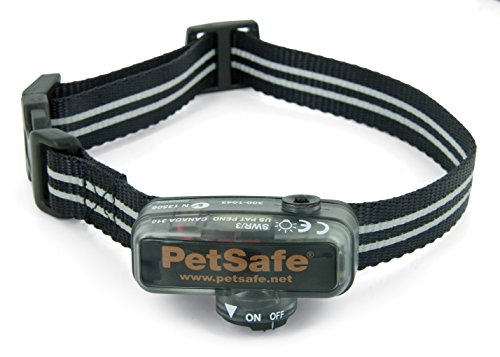
PetSafe Certified Comfort-Fit Dog Collar
Neoprene padding and a martingale-style design limit slipping without a full choke action, useful for dogs that back out of collars. Reflective stitching adds visibility on evening walks. Owners cite the adjustable range as accommodating a growing puppy or seasonal coat changes.
Pros
- Limited-slip design reduces escape risk
- Neoprene padding softens pressure points
- Reflective stitching aids low-light visibility
Cons
- Martingale action unsuitable for dogs needing a plain collar
- Buckle hardware is plastic, not metal

Kurgo Quantum Collar
Reflective trim runs the full length of this padded collar, catching headlights and streetlamps after dark. An aluminum D-ring resists bending under a strong puller’s leash pressure. Owners walking dogs before sunrise or after sunset rate the visibility as a genuine safety feature, not decoration.
Pros
- Full-length reflective trim for low light
- Aluminum hardware resists bending
- Padding softens leash-correction pressure
Cons
- Reflective coating dulls after repeated washing
- Padding thinner than dedicated orthopedic designs
Chai’s Choice Premium Outdoor Adventure Collar
A reinforced top handle gives quick control over a large or reactive dog without grabbing the neck directly. Oxford fabric over foam padding resists soaking through on wet walks. Owners of working and adventure breeds mention the handle as useful for loading dogs into vehicles.
Pros
- Top handle aids quick control situations
- Water-resistant Oxford shell
- Heavy-duty hardware suits strong dogs
Cons
- Handle adds bulk not needed for calm dogs
- Limited color options

Blueberry Pet Soft and Comfortable Padded Dog Collar
Neoprene padding along the inner edge softens the collar without the added cost of foam-core construction. A wide color and pattern selection suits owners matching gear to their dog. Daily neighborhood walks suit it better than heavy outdoor use, according to owner feedback.
Pros
- Lower cost than premium padded collars
- Wide color and pattern selection
- Adequate padding for daily walks
Cons
- Padding thinner than dedicated orthopedic models
- Less suited to heavy pulling or rough use

EXPAWLORER Soft Padded Dog Collar
Layered neoprene and nylon keep this collar lightweight, suited to small and toy breeds with delicate necks. Its narrower width avoids overwhelming a small dog’s frame compared to bulkier padded designs. Owners of dogs with tracheal sensitivity mention reduced coughing during leash pulls.
Pros
- Lightweight build suits small breeds
- Narrower width avoids overwhelming small necks
- Quick-release buckle simplifies handling
Cons
- Not rated for larger or stronger dogs
- Fewer size options above medium
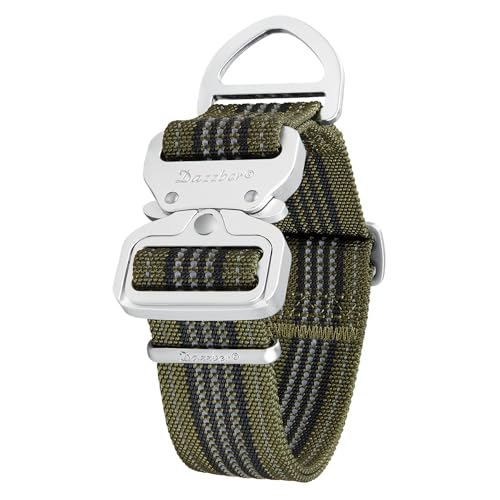
Dazzber Reflective Padded Dog Collar
Lightweight neoprene padding and reflective stitching suit a growing puppy that will size up before needing a heavier-duty collar. Sizing runs small enough for young or toy breeds. Owners appreciate the low cost when a puppy is likely to outgrow several collars in its first year.
Pros
- Affordable for a collar puppies will outgrow
- Reflective stitching adds visibility
- Wide size range from extra small up
Cons
- Padding less substantial than premium models
- Hardware feels lighter duty than pricier options
Side by side
| # | Model | Padding | Best for | Score | Price |
|---|---|---|---|---|---|
| 1 | Ruffwear Hoopie Collar | Foam core wrapped in soft-touch fabric | Best overall | 9.3 | Check price |
| 2 | PetSafe Certified Comfort-Fit Dog Collar | Neoprene-padded nylon | Best value | 9.0 | Check price |
| 3 | Kurgo Quantum Collar | Padded nylon with reflective trim | Best for night visibility | 8.7 | Check price |
| 4 | Chai’s Choice Premium Outdoor Adventure Collar | Foam padding under Oxford fabric shell | Best for large or strong dogs | 8.5 | Check price |
| 5 | Blueberry Pet Soft and Comfortable Padded Dog Collar | Neoprene-lined polyester | Best budget | 8.2 | Check price |
| 6 | EXPAWLORER Soft Padded Dog Collar | Neoprene and nylon layered padding | Best for small breeds | 8.1 | Check price |
| 7 | Dazzber Reflective Padded Dog Collar | Lightweight neoprene padding | Best for puppies | 8.0 | Check price |
How to pick the right one
Which dogs actually need a padded collar? Dogs recovering from neck or spinal surgery benefit from distributed pressure rather than a thin strap. Breeds prone to tracheal collapse and older dogs with arthritis in the neck see similar relief. Strong pullers also chafe standard collars faster than calm walkers do. A padded collar will not fix a medical condition, but it reduces friction and pressure points during normal wear.
Foam core or neoprene padding: which is better? Foam-core collars spread pressure across a thicker, structured pad, generally the better choice for genuine neck sensitivity or post-surgical recovery. Neoprene padding runs thinner and more flexible, adequate for everyday comfort at a lower cost. Match the padding type to how much cushioning your dog’s situation actually calls for, not just the price point.
How do you size a collar for small versus large breeds? Small and toy breeds need a narrower width so the collar does not overwhelm a delicate neck. Large or working breeds need wider webbing and heavier hardware to handle leash pressure. Measure your dog’s neck circumference and check the manufacturer’s size chart rather than guessing from breed alone. A collar that runs too wide can ride up under the jaw and irritate a smaller dog.
What do handles, reflective trim and limited-slip closures add? A top handle helps with quick control of a large or reactive dog without grabbing bare fur. Reflective stitching matters most for early morning or evening walks near traffic. Limited-slip or martingale-style closures suit dogs that back out of standard buckle collars, tightening slightly under pull without a full choke action.
Questions worth asking
What makes a dog collar orthopedic or padded?
An orthopedic or padded dog collar adds a cushioning layer, foam or neoprene, between the fabric and the dog’s neck. That layer spreads pressure and reduces friction compared to a plain nylon strap.
Are padded collars good for dogs with neck injuries?
They can reduce friction and pressure on a healing or sensitive neck. A dog recovering from surgery or injury should still follow a veterinarian’s guidance on collar or harness use during recovery.
Is a padded collar or a harness better for pulling?
A harness generally redirects pulling pressure away from the neck entirely, which is safer for dogs that pull hard or have tracheal issues. A padded collar helps for identification and everyday wear but is not a substitute for a harness on a strong puller.
How do I measure my dog’s neck for a collar?
Wrap a soft tape measure around the base of the neck where a collar would sit, then add roughly two fingers’ width of slack. Compare that number to the manufacturer’s size chart rather than a generic small, medium or large label.
Can padded collars help dogs with tracheal collapse?
Reducing pressure on the throat helps, but many veterinarians recommend a harness instead of any collar for dogs diagnosed with tracheal collapse. Even padded designs still apply some pressure to the neck.
How often should I replace a padded dog collar?
Inspect padding and stitching every few months for compression, fraying or hardware wear. Replace it once the padding flattens or the buckle no longer holds securely.
Do padded collars work for puppies?
Yes, though puppies grow quickly. A fully adjustable, lower-cost padded collar makes more sense than an expensive one that will need replacing within months.
What is a martingale collar, and is it padded?
A martingale collar tightens slightly when a dog pulls back, limiting how far it can slip over the head, without the full choking action of a slip collar. Several padded models combine that design with neoprene lining for comfort.
Which padded collar works best for a strong or large dog?
Look for heavy-duty metal hardware and a reinforced handle, like the one on the Chai’s Choice Premium Outdoor Adventure Collar, which gives quick control without grabbing bare fur.
Final word
The Ruffwear Hoopie Collar suits dogs with genuine neck sensitivity, thanks to foam-core padding and skin-friendly hardware. Owners on a budget still get solid cushioning from the Blueberry Pet Soft and Comfortable Collar. Large or strong dogs benefit most from the handle and heavy-duty hardware on the Chai’s Choice Premium Outdoor Adventure Collar.