Paint Brushes That Cut a Clean Line Every Time
The Purdy XL Glide is our top pick for its blend filaments and precise chisel edge. The Wooster Shortcut Angle Sash is the value pick for cutting in from a ladder, and the Bates 5-Pack covers occasional jobs without spending much.
The Purdy XL Glide leads this roundup because the nylon and polyester blend holds a genuinely sharp chisel edge, which is what lets you cut a clean line against a ceiling without masking, and the stainless ferrule keeps the bristles anchored through many cleanings. The Wooster Shortcut Angle Sash is the value alternative and its stubby handle is far easier to control on a ladder, while the Bates 5-Pack covers a weekend of touch up work without committing to a professional brush.
Brushes are where most DIY paint jobs are decided, because a cheap brush leaves tramlines, drops bristles into wet paint and refuses to hold an edge no matter how carefully you work. The confusing part is that the important differences are not visible in a photograph. Filament material determines which paints a brush suits, ferrule construction determines whether bristles shed, and the chisel cut determines how fine a line you can cut. We compared filament blends, edge geometry, ferrule material and crimping, handle shape and balance, then weighed those against what owners report about brushes staying usable after dozens of cleanings.
The shortlist, ranked

Purdy XL Glide 2.5-Inch Angular Trim Brush
This is the brush professional decorators reach for on interior latex work, because the nylon and polyester blend keeps its shape in water based paint rather than going soft and floppy. The chisel edge is cut precisely enough to run a line against a ceiling freehand. It costs several times a supermarket brush, and it repays that only if you clean it properly after every session.
Pros
- Holds a very sharp edge for freehand cutting in
- Blend filaments stay stiff in water based paint
- Stainless ferrule resists rust and bristle loss
Cons
- Significant outlay for a single brush
- Needs proper cleaning to justify the cost

Wooster Brush Q3211-2 Shortcut Angle Sash Brush
The stubby handle is the whole idea, letting you hold the brush like a pencil close to the ferrule for maximum control at a ceiling line or around a window frame. It fits in a pocket, which matters on a ladder. The short handle is less comfortable for long flat sections, so keep a full size brush for the bulk of the work.
Pros
- Short handle gives precise control at the tip
- Fits in a pocket while working at height
- Excellent value for the control it offers
Cons
- Tiring for large flat areas
- Small size means frequent reloading

Purdy Clearcut Dale 2-Inch Angular Trim Brush
Purdy tunes the Clearcut range for a smooth finish on trim, doors and skirting, where brush marks show far more than they do on a wall. The two inch size suits architrave and window bars without overloading the surface. It is a finish brush rather than a workhorse, so it is not the one to use for slapping paint on a large expanse.
Pros
- Leaves a smooth finish with minimal brush marks
- Right size for architrave and window bars
- Excellent edge for detailed trim lines
Cons
- Too small for large wall areas
- Premium pricing for a specialist brush
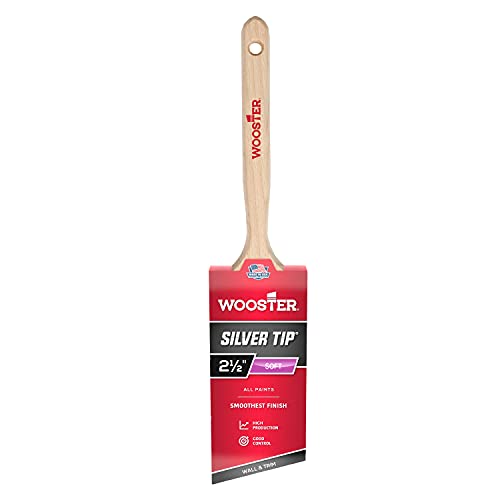
Wooster Brush 5221 Alpha Angle Sash Paintbrush
The Alpha range uses a filament blend designed to work across water based and oil based paints alike, which is useful if you switch between emulsion, gloss and varnish across a project. Paint release is smooth and the brush keeps its shape well. It is a general purpose tool, so it is not quite as sharp at the edge as a dedicated cutting in brush.
Pros
- Handles both water based and oil based paints
- Smooth consistent paint release
- Holds shape through repeated cleaning
Cons
- Edge is less sharp than dedicated cutting brushes
- Mid to high price for a general brush

Zibra Grip-n-Glide 2.5-Inch Angle Paint Brush
The triangular handle is more useful than it sounds, because it lets you switch grips easily and get behind radiators or into corners where a round handle forces an awkward wrist angle. The end of the handle is shaped to open paint cans, which saves hunting for a screwdriver. Bristle quality is good rather than exceptional next to the premium brands.
Pros
- Triangular grip works well in awkward positions
- Handle end opens paint cans
- Comfortable over long sessions
Cons
- Bristles do not match premium brands for edge
- Handle shape divides opinion
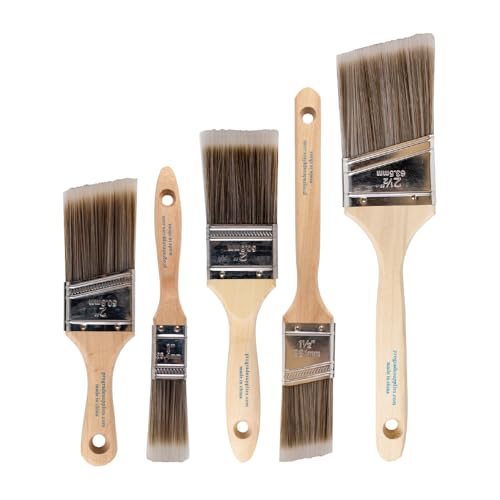
Pro Grade Paint Brushes 5 Pack Angle Sash Set
Buying a set makes sense when a project needs several sizes at once, and this covers the common widths from small trim work up to a wide brush for larger areas. The synthetic filaments handle water based paint well enough for interior decorating. They will not hold an edge as long as a Purdy, so treat them as good tools with a shorter working life.
Pros
- Covers every common size in one purchase
- Reasonable filament quality for the outlay
- Good for projects needing several brushes at once
Cons
- Edge softens sooner than premium brushes
- Occasional bristle shedding when new

Bates Paint Brushes 5-Pack
For touching up a scuffed wall, painting a shelf or handing brushes to helpers who will not clean them, an inexpensive set is the practical answer. The stainless ferrules are better than you might expect at this level and the handles are comfortable. Expect some bristle loss during the first use, so flick and wipe them before opening the paint.
Pros
- Very low outlay for five usable brushes
- Stainless ferrules despite the price
- Fine for small jobs and helpers
Cons
- Sheds some bristles on first use
- Not suitable for fine cutting in
Before you buy
Match the filament to the paint Natural bristle brushes, usually hog hair, are made for oil based paints, varnishes and stains, because natural fibres absorb water and go limp in emulsion. Synthetic filaments, typically nylon, polyester or a blend, are the right choice for water based paint. Nylon is softer and holds more paint, polyester is stiffer and keeps its shape, and blends aim for both. If the tin says water based and the brush says natural bristle, put it back.
The chisel edge is what cuts the line An angled sash brush has its filaments cut to a wedge, and the sharpness of that wedge determines how fine a line you can run without masking tape. Cheap brushes have a blunt, ragged edge that spreads paint sideways. Look at the tip of the brush end on. A crisp, even chisel with tapered filaments is what you want. Flagged filament ends, meaning split tips, help the brush lay paint smoothly and hold more of it.
Ferrule quality predicts bristle loss The ferrule is the metal band clamping the filaments to the handle. Stainless steel resists rust and holds its crimp through repeated soaking, while plated steel corrodes and loosens, which is exactly when brushes start shedding into your topcoat. Check the crimp is tight and even, and that no filaments move when you tug the bristle block gently. This one detail separates brushes that survive years from brushes that fail in a season.
Cleaning is what makes a good brush worth buying A premium brush only pays for itself if it survives, and survival is entirely about cleaning. For water based paint, work the brush out in warm water until it runs clear, then use a brush comb to clear paint from the base of the filaments where it hardens first. For oil based, use the correct solvent, then wash with soap and water. Spin or shake dry, reshape the chisel with your fingers, and store it hanging or in its original cardboard keeper so the edge stays true.
How they compare
| # | Model | Filament | Best for | Score | Price |
|---|---|---|---|---|---|
| 1 | Purdy XL Glide 2.5-Inch Angular Trim Brush | Nylon and polyester blend | Best overall | 9.4 | Check price |
| 2 | Wooster Brush Q3211-2 Shortcut Angle Sash Brush | Synthetic blend | Best for cutting in | 9.2 | Check price |
| 3 | Purdy Clearcut Dale 2-Inch Angular Trim Brush | Nylon and polyester blend | Best for trim work | 9.0 | Check price |
| 4 | Wooster Brush 5221 Alpha Angle Sash Paintbrush | Synthetic blend for all paints | Best for all paint types | 8.8 | Check price |
| 5 | Zibra Grip-n-Glide 2.5-Inch Angle Paint Brush | Synthetic blend | Best for tight spaces | 8.5 | Check price |
| 6 | Pro Grade Paint Brushes 5 Pack Angle Sash Set | Five angle sash brushes | Best value set | 8.3 | Check price |
| 7 | Bates Paint Brushes 5-Pack | Five brushes | Best budget | 8.0 | Check price |
Questions worth asking
What size paint brush should I use?
A 2 to 2.5 inch angled sash brush handles cutting in and most trim work, which covers the majority of interior jobs. Use a 1 to 1.5 inch brush for window bars and fine detail, and a 3 to 4 inch flat brush for large flat areas if you are not using a roller.
Natural bristle or synthetic paint brushes?
Natural bristle suits oil based paints, varnishes and stains. Synthetic filaments suit water based and latex paints, since natural fibres absorb water and lose their shape. Most modern interior decorating calls for synthetic.
Why do my brushes leave streaks?
Usually because the brush is overloaded, the paint is drying too fast, or the filaments have lost their shape. Load only the bottom third of the bristles, maintain a wet edge as you work, and replace brushes whose chisel edge has splayed.
How do I stop a brush shedding bristles?
New brushes always lose a few, so flick the bristles hard and wipe them across a clean hand before the first dip. Persistent shedding usually means a corroded or poorly crimped ferrule, which cannot be fixed.
Can I leave a brush in water overnight?
It is better to clean it properly. Standing a brush in water bends the filaments where they touch the bottom and lets water creep into the ferrule, which loosens the crimp and rusts plated metal. For a short break, wrap the brush in cling film instead.
What is an angled sash brush for?
The angled chisel edge lets you place a precise line against a ceiling, a skirting board or a window frame without masking. It is the most useful single brush shape for interior decorating.
How long should a good paint brush last?
Cleaned properly after every use, a quality brush can last many years and dozens of projects. Cheap brushes typically stay sharp for one or two jobs before the edge splays and they become touch up tools.
Do I need to wet a brush before painting?
For water based paint, dampening the brush and shaking out the excess helps the paint release smoothly and makes cleaning easier afterwards. For oil based paint, condition the brush with the appropriate solvent instead of water.
Final word
If you are painting a room properly, the Purdy XL Glide is worth the outlay, because a sharp chisel edge and a stainless ferrule turn cutting in from a chore into a straightforward task. Pair it with the Wooster Shortcut Angle Sash for ladder work, where the short handle gives far better control at the tip. Keep the Bates 5-Pack in the cupboard for touch ups and anything you would rather not clean carefully.