Portable CPUs for On-the-Go Computing
For most people, the Apple MacBook Air M2 is the best portable CPU because it offers exceptional performance per watt, long battery life, and a lightweight design. Its main limitation is limited port selection and upgradeability.
Portable CPUs have evolved beyond simple laptops. Today, they include ultrabooks, mini PCs, and even handheld gaming devices that pack serious processing power into small frames.
Choosing the right one depends on your needs: battery life, raw performance, or portability. We compared seven top models to help you decide.
The top picks, ranked
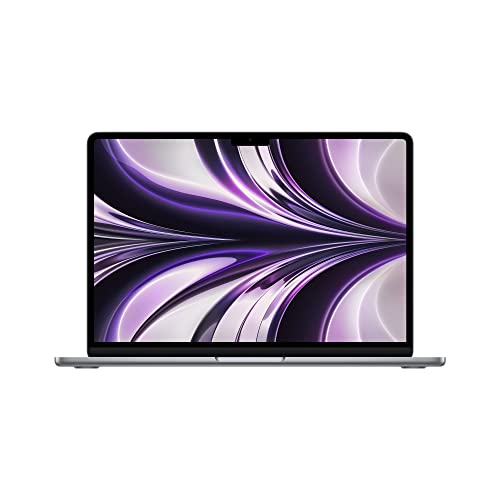
Apple MacBook Air M2
The MacBook Air with M2 chip delivers impressive speed and efficiency in a thin, fanless design. Owners report all-day battery life and silent operation.
Pros
- Exceptional performance per watt
- Fanless design means silent operation
- Outstanding battery life
Cons
- Limited ports: only two Thunderbolt/USB 4
- Upgradeability is non-existent

Dell XPS 13 Plus
The XPS 13 Plus packs Intel’s latest processors into a stunning chassis with a seamless glass touchpad. It offers top-tier performance for productivity and light content creation.
Pros
- Beautiful 3.5K OLED display option
- Premium build quality
- Strong performance for thin laptop
Cons
- Battery life is shorter than M2 MacBook Air
- Keyboard travel is shallow

ASUS ROG Ally
The ROG Ally is a handheld gaming device with AMD Z1 Extreme processor. It runs Windows 11 and can handle modern games at 1080p, though battery life is limited during intense gaming.
Pros
- Plays full PC game library
- High refresh rate 120Hz screen
- Good ergonomics
Cons
- Battery lasts only 1-2 hours under load
- Requires Windows updates and tweaking
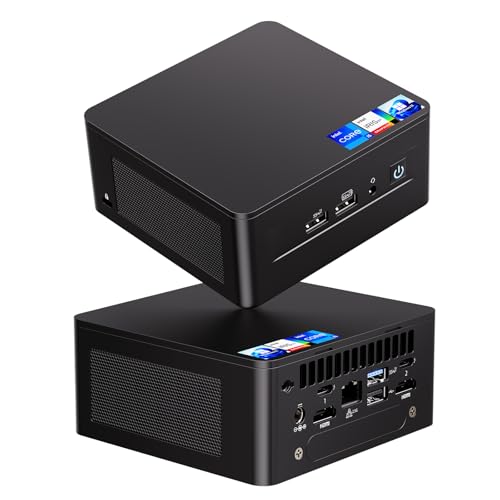
Intel NUC 13 Pro
The Intel NUC 13 Pro is a compact mini PC with Intel 13th-gen processors. It fits behind a monitor or in a backpack, offering desktop-level performance for work and media.
Pros
- Excellent price-to-performance
- Compact and VESA mountable
- Multiple USB and Thunderbolt ports
Cons
- Not as portable as a laptop
- Requires separate display and keyboard

Lenovo ThinkPad X1 Carbon Gen 11
The ThinkPad X1 Carbon is a lightweight business laptop with a durable chassis and excellent keyboard. It offers robust security features and long battery life.
Pros
- Legendary keyboard
- Durable carbon fiber build
- Great battery life
Cons
- Integrated graphics only
- Pricey for the specs

Microsoft Surface Pro 9
The Surface Pro 9 is a versatile tablet with a kickstand and detachable keyboard. It runs full Windows and offers both Intel and ARM (SQ3) versions, though the ARM version has compatibility issues.
Pros
- Versatile form factor
- Beautiful 120Hz PixelSense display
- Good portability
Cons
- Keyboard sold separately
- Intel version runs hot under load

GPD Win Max 2
The GPD Win Max 2 is a compact laptop with a powerful AMD Ryzen 7 6800U processor. It includes a built-in gamepad, making it a niche choice for gamers and power users.
Pros
- Extremely compact yet powerful
- Built-in gamepad and joysticks
- Good port selection
Cons
- Screen is small at 10.1 inches
- Thermals can throttle under sustained load
Side by side
| # | Model | CPU | Best for | Score | Price |
|---|---|---|---|---|---|
| 1 | Apple MacBook Air M2 | Apple M2 (8-core) | Overall portability and performance | 9.4 | Check price |
| 2 | Dell XPS 13 Plus | Intel Core i7-1360P or i5-1340P | Windows users wanting premium build | 9.1 | Check price |
| 3 | ASUS ROG Ally | AMD Ryzen Z1 Extreme (8-core) | Gamers on the go | 8.9 | Check price |
| 4 | Intel NUC 13 Pro | Intel Core i7-1360P | Desktop power in a tiny box | 8.7 | Check price |
| 5 | Lenovo ThinkPad X1 Carbon Gen 11 | Intel Core i7-1355U or i7-1365U | Business travelers | 9.0 | Check price |
| 6 | Microsoft Surface Pro 9 | Intel Core i5-1235U or i7-1255U | Tablet-laptop hybrid versatility | 8.8 | Check price |
| 7 | GPD Win Max 2 | AMD Ryzen 7 6800U | Performance in a small laptop | 8.2 | Check price |
What to look for
Frequently asked questions
What is a portable CPU?
A portable CPU refers to a computer processor that is designed for mobile or compact devices, such as laptops, tablets, mini PCs, and handheld gaming consoles. These CPUs are optimized for power efficiency to extend battery life while providing enough performance for everyday tasks.
How do I choose between a laptop and a mini PC for portability?
If you need to work on the go, a laptop is more portable because it includes a display, keyboard, and battery. A mini PC is smaller but requires external peripherals and a power source, so it’s not ideal for travel unless you carry extra gear.
Are Apple M2 chips better than Intel processors for portability?
Apple M2 chips are highly efficient, offering excellent performance per watt, which results in longer battery life and less heat. Intel processors have improved but often consume more power. For pure portability, M2 MacBooks are often superior, but software compatibility may be a factor.
Can I play games on a portable CPU?
Yes, but you need a device with a powerful integrated GPU or a dedicated GPU. Handheld gaming PCs like the ASUS ROG Ally have AMD processors with RDNA graphics that can run many games at 1080p. Thin laptops may struggle with demanding games unless they have discrete graphics.
What is the difference between a U-series and P-series Intel processor?
U-series processors are designed for power efficiency, typically with lower TDP (15W), suited for ultrabooks and light workloads. P-series processors have higher TDP (28W), offering better performance for thin and light laptops that need more power for tasks like content creation.
How much RAM do I need in a portable CPU?
For basic tasks, 8GB is sufficient, but for multitasking and future-proofing, 16GB is recommended. If you do heavy work like video editing or run virtual machines, consider 32GB. Many ultrabooks have soldered RAM, so choose carefully.
Do portable CPUs overheat?
Some do, especially those with high-performance chips in thin chassis. Manufacturers use thermal throttling to reduce performance when temperatures rise. Devices like the MacBook Air M2 run cool thanks to efficient architecture, while others may get hot under load.
What is the best budget portable CPU?
For a budget option, consider laptops with AMD Ryzen 5 or Intel Core i5 processors. They offer good performance for everyday tasks. Mini PCs like the Intel NUC are also affordable. However, the best budget choice depends on your specific needs.
Are there any portable CPUs with cellular connectivity?
Many laptops and tablets offer optional 4G/5G LTE or 5G connectivity, such as the Surface Pro 9 with SQ3 (ARM) or ThinkPad X1 Carbon with optional WWAN. This allows internet access without Wi-Fi, but it may add cost.
How important is the display resolution for portability?
Higher resolution displays (like 2K or 3.5K) provide sharper text and images, but they consume more battery. For portability, a 1080p or 1440p display is often a good balance. Some devices offer adaptive refresh rates to save power.
The bottom line
For most people, the Apple MacBook Air M2 is the clear winner for portable computing, offering the best combination of performance, battery life, and lightweight design. If you need Windows, the Dell XPS 13 Plus is a top alternative, but be prepared for shorter battery life. Gamers should consider the ASUS ROG Ally for its ability to play PC games on the go. Ultimately, the choice comes down to your operating system preference and specific tasks.