Top Portable Power Supplies for Camping, Work, and Emergencies
The Jackery Explorer 1000 v2 stands out as the best all-around portable power supply for most people, offering a robust 1,070Wh capacity, fast recharging, and a reliable reputation. Its main advantage is the perfect balance of power and portability for weekend trips or home backup. The main limitation is its price, which is higher than some competitors with similar specs.
When the grid goes down or you head off the beaten path, a portable power supply becomes your lifeline. These devices have evolved from simple battery packs to full-featured power stations that can run appliances, charge medical devices, and keep your gadgets alive for days.
We compared the leading models on the market to help you find the right one for your specific needs. From ultra-portable units for day hikes to heavy-duty stations for extended off-grid living, there’s a power solution for every scenario.
The top picks, ranked

Jackery Explorer 1000 v2
The Jackery Explorer 1000 v2 is a top contender in the portable power market, offering a hefty 1,070Wh capacity with a 1,500W pure sine wave inverter. It can power everything from mini-fridges to power tools, making it a versatile companion for camping and emergencies. Owners report fast recharging via AC wall outlet (about 1.7 hours) and solar compatibility. Its sturdy handle and relatively lightweight design for its class add to its appeal.
Pros
- Fast wall recharging
- Reliable pure sine wave output
- Excellent customer support
Cons
- Heavier than some competitors
- No app connectivity

BLUETTI AC200MAX
The BLUETTI AC200MAX offers a huge 2,048Wh base capacity that can be expanded up to 8,192Wh with extra batteries. It features 16 output ports including AC, USB-C, and 12V carport, making it a powerhouse for RVs, home backup, or job sites. Users praise its multiple charging options (solar, AC, car, generator) and the ability to control it via a mobile app. It is heavy, but the wheels and handle make moving it manageable.
Pros
- Huge capacity and expandability
- Many output ports
- App control and monitoring
Cons
- Heavy and bulky
- Higher price point

EcoFlow DELTA 2
The EcoFlow DELTA 2 is a popular choice for those who need rapid recharging. With X-Stream technology, it can charge from 0 to 80% in under an hour using an AC outlet. Its 1,024Wh capacity and 1,800W output handle most household appliances. The built-in Wi-Fi and app allow remote monitoring and control. Its compact design and dual USB-C ports make it versatile for both indoor and outdoor use.
Pros
- Blazing fast AC recharge
- App control with Wi-Fi
- Durable and reliable
Cons
- Capacity lower than some rivals
- Fan noise during high output
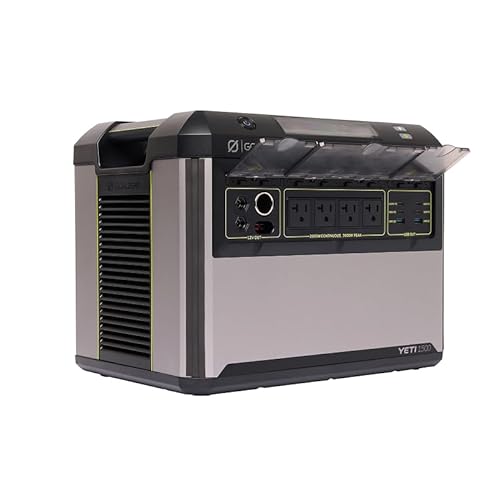
Goal Zero Yeti 1500X
The Goal Zero Yeti 1500X is built for rugged use, with a sturdy shell and high-quality components. It offers 1,516Wh capacity and 2,000W continuous output, enough for most off-grid needs. It features a user-replaceable battery, which is rare in this category, extending the device’s lifespan. Owners appreciate its clear display and multiple charging options, including solar and car. It is heavier than some, but its durability justifies the weight.
Pros
- User-replaceable battery
- Rugged build quality
- Reliable performance in extreme conditions
Cons
- Slow AC recharge time
- Heavier than similar capacity models
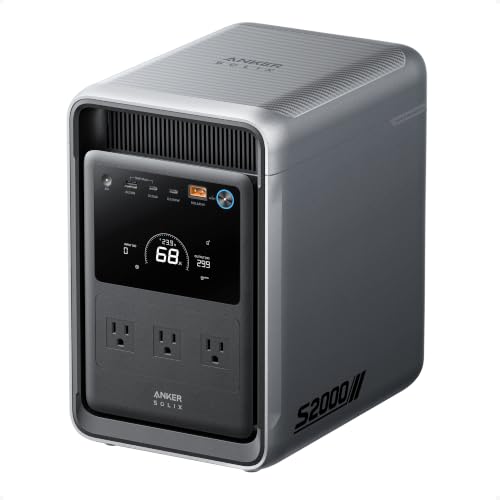
Anker 757 PowerHouse
Anker’s 757 PowerHouse uses LiFePO4 battery chemistry, known for longer cycle life (over 3,000 cycles) and better thermal stability. It packs 1,229Wh and boasts a 1,500W AC inverter. It has a 60W USB-C PD port for fast laptop charging, and its modular design allows expansion with extra batteries. Users note its solid build and clear display. While it is heavier, its longevity makes it a cost-effective choice over time.
Pros
- Long-lasting LiFePO4 battery
- Expandable capacity
- Good value for the features
Cons
- Bulky and heavy
- No app support

Jackery Solar Generator 1000
The Jackery Solar Generator 1000 bundles the Explorer 1000 power station with a foldable 100W solar panel, providing a complete solar solution. It can be charged via solar in about 8 hours under full sunlight, making it ideal for camping and emergency prep. The kit is straightforward to set up and includes a carrying case. While the solar panel adds weight, the convenience of an all-in-one package is a plus for many buyers.
Pros
- Complete solar setup
- Easy to use and transport
- Reliable brand reputation
Cons
- Solar panel efficiency lower than some
- Limited AC output compared to larger models

EcoFlow RIVER 2 Max
The EcoFlow RIVER 2 Max is a lightweight power station (just 13.2 lbs) with a 512Wh capacity, perfect for day trips, small appliances, or charging multiple devices. It offers a 500W AC output (1000W surge) and can be recharged rapidly in one hour. Its compact size fits easily in a car trunk or backpack. It has a good selection of ports including USB-C and wireless charging pad. Owners find it great for camping and tailgating.
Pros
- Very portable and lightweight
- Fast charging
- Affordable price
Cons
- Lower capacity not for heavy appliances
- No expansion option
Compared at a glance
| # | Model | Capacity | Best for | Score | Price |
|---|---|---|---|---|---|
| 1 | Jackery Explorer 1000 v2 | 1070Wh | Overall best portable power station for most users | 9.4 | Check price |
| 2 | BLUETTI AC200MAX | 2048Wh expandable to 8192Wh | High capacity and expandability for heavy users | 9.1 | Check price |
| 3 | EcoFlow DELTA 2 | 1024Wh | Fastest recharging and smart control | 9.0 | Check price |
| 4 | Goal Zero Yeti 1500X | 1516Wh | Durable and reliable for outdoor enthusiasts | 8.8 | Check price |
| 5 | Anker 757 PowerHouse | 1229Wh | Long-lasting LiFePO4 battery and value | 8.7 | Check price |
| 6 | Jackery Solar Generator 1000 | 1002Wh | All-in-one solar kit for off-grid adventures | 8.5 | Check price |
| 7 | EcoFlow RIVER 2 Max | 512Wh | Compact and lightweight for on-the-go power | 8.3 | Check price |
What matters most
Good to know
What can I power with a 500Wh portable power station?
A 500Wh unit can power small devices like laptops (around 60W) for 8 hours, smartphones many times over, LED lights, a small TV, or a mini-fridge for several hours. It’s not enough for high-wattage appliances like space heaters or electric kettles.
How long does it take to recharge a portable power station?
Recharge time varies by model and charging method. AC wall charging typically takes 1 to 2 hours for units with fast charging, while solar charging can take 4 to 12 hours depending on panel wattage and sunlight.
Can I use a portable power station to jump-start my car?
No, portable power stations are not designed for car jump-starting. They lack the high current needed for starting an engine. You’ll need a dedicated car jump starter for that purpose.
What is the difference between pure sine wave and modified sine wave inverters?
Pure sine wave inverters produce clean, smooth power similar to grid electricity, making them safe for sensitive electronics like laptops and CPAP machines. Modified sine wave inverters are cheaper but may cause issues with some devices, such as buzzing or malfunctioning.
How many cycles can a portable power station battery last?
Li-ion batteries typically last 500 to 1,000 cycles, while LiFePO4 batteries can last 2,000 to 3,500 cycles. A cycle is a full discharge and recharge. After that, the battery capacity degrades significantly.
Can I recharge a power station while it is in use?
Yes, most portable power stations support pass-through charging, allowing you to recharge the battery while simultaneously powering devices. However, this can cause additional heat and stress on the system, so it’s not recommended for extended periods.
What accessories should I get with a portable power supply?
Consider extra solar panels for off-grid recharging, a carrying case for protection, and extension cords for convenience. Some models have optional extra batteries for expanded capacity.
Are portable power supplies safe to use indoors?
Yes, they are generally safe indoors as they produce no fumes. However, ensure proper ventilation to prevent overheating, and avoid covering the unit while operating.
How do I determine the right capacity for my needs?
List the devices you need to power, note their wattage, and estimate hours of use. Multiply wattage by hours to get watt-hours. Add a 20% buffer and choose a unit with that capacity or higher.
What is the warranty on these power stations?
Most brands offer a 2-year warranty, with some like Jackery and BLUETTI offering extended warranties up to 5 years if registered. Check the product listing for specific details.
Our take
For most people, the Jackery Explorer 1000 v2 is the best choice because it combines a solid capacity, fast recharging, and a trusted name. If you need more power and expandability, go with the BLUETTI AC200MAX. For budget-conscious buyers who prioritize battery longevity, the Anker 757 PowerHouse is a smart pick.


