Small Animal Food That Actually Survives a Road Trip
Oxbow Essentials Adult Rabbit Food leads for daily travel feeding, since its resealable bag limits spills. Small Pet Select Timothy Hay suits owners hauling hay for multiple pets. For quick trips, Oxbow Simple Rewards Baked Treats pack flat and need no refrigeration.
Oxbow Essentials Adult Rabbit Food takes the top spot for daily travel feeding, since its resealable bag keeps pellets dry through weekend trips and boarding stays. Owners hauling hay for several pets across a longer drive get more mileage from Small Pet Select Timothy Hay. A quick car ride calls for Oxbow Simple Rewards Baked Treats instead, which need no cooler or refrigeration.
Travel food is a different puzzle than food for home, because packaging and portioning matter as much as ingredients. A bag that spills inside a carrier defeats the point, even when the formula itself is sound. Package format, seal quality, species-specific fortification, and owner reports of spoilage or refusal during trips shaped this ranking.
How to pick the right one
What Makes Small Animal Food Travel-Friendly Seal quality, bag shape, and how the food behaves outside a climate-controlled home decide real portability. A zip-top bag that reseals flat fits a carrier side pocket better than a bulky box. Hay scatters more than pellets, so cubed or compressed formats travel cleaner. Treats need to survive temperature swings in a car without melting or turning rancid, ruling out anything with added oils that soften in heat.
Hay vs Pellets vs Treats for a Trip Hay should make up most of a rabbit or guinea pig’s diet, so it needs to travel in the largest quantity despite being the messiest format. Pellets pack tighter and measure out faster, useful when feeding on a schedule at a rest stop. Treats carry the least nutritional weight, existing mainly to ease stress or reward a pet during an unfamiliar stay. Leaning on pellets and treats over hay for convenience creates a real diet gap on longer trips.
Matching Food to the Right Species Guinea pigs need Vitamin C fortification that rabbit pellets skip, so swapping the two formulas during travel is a real risk, not a minor substitution. Hamsters and gerbils tolerate a seed and grain mix that would be too rich for a rabbit’s digestive system. Chinchillas generally do well on the same timothy hay base as rabbits and guinea pigs, but need lower-fat pellets. Checking the label for the named species, not just small pet, avoids a mismatch discovered only after a pet refuses to eat.
How Much to Pack and How to Store It on the Road A rough guide is one eighth cup of pellets per two pounds of body weight per day, plus unlimited hay for rabbits and guinea pigs. Packing an extra day’s portion beyond the planned trip length covers unexpected delays. Heat speeds spoilage and draws moisture that causes mold, so keep hay and pellets out of direct sun and away from a hot trunk. Storing treats separately from the main food bag stops a pet from overeating if a container tips during transit.
The shortlist, ranked
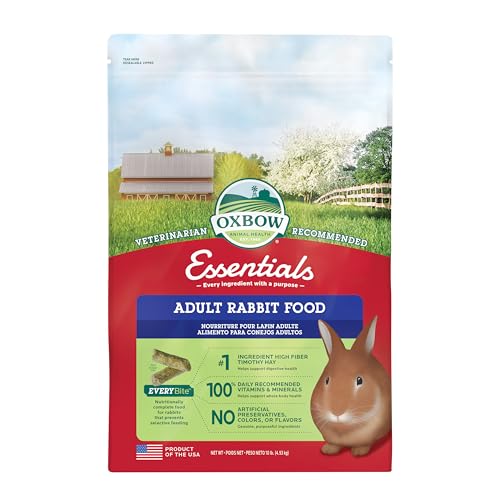
Oxbow Essentials Adult Rabbit Food
Timothy hay sits as the first ingredient in this formula, built for rabbits over one year old. The bag reseals after each feeding, keeping pellets dry during weekend trips or boarding stays. Owners report consistent texture across bags, so a picky rabbit rarely rejects a new batch.
Pros
- Resealable bag limits moisture during travel
- Consistent pellet size reduces sorting and waste
- Widely stocked, so refills are easy to find on the road
Cons
- Not fortified with extra Vitamin C for guinea pigs
- 25 lb bag is bulky for a short trip

Small Pet Select Timothy Hay
Hand-packed timothy hay ships in resealable bags sized from 2 lb up to 25 lb. Long strands support rabbit and guinea pig teeth wear, while the compressed bag saves trunk space. Smaller bags suit short trips without leftover hay going stale.
Pros
- Long fiber strands support dental wear
- Multiple sizes match trip length
- Bag compresses flat for luggage space
Cons
- Hay dust can trigger sneezing in sensitive owners
- Second-cut is coarser than first-cut for picky eaters

Kaytee Timothy Hay
A 24 oz or 48 oz bag sizes this hay for a single small pet on a short trip. Stalks are sun-cured and packed without added binders. The narrower bag fits a carrier’s side pocket better than a bulk hay box.
Pros
- Lower cost per trip than bulk hay bags
- Slim bag shape fits carrier pockets
- Single ingredient, easy to introduce to new pets
Cons
- Smaller bag runs out faster on multi-day trips
- Stalk length varies more between bags

Oxbow Essentials Guinea Pig Food
Stabilized Vitamin C sets this formula apart, since guinea pigs cannot produce the vitamin on their own. Pellets share the same timothy hay base as Oxbow’s rabbit formula but carry different fortification. Sealing the bag between feedings keeps Vitamin C potency higher than an open bin during travel.
Pros
- Vitamin C fortification covers a real dietary gap
- Resealable bag slows nutrient breakdown
- Consistent texture across bags reduces refusal
Cons
- Not appropriate for rabbits despite similar packaging
- Vitamin C still fades faster than in fresh vegetables

Kaytee Fiesta Max Hamster & Gerbil Food
Seeds, grains, and dried vegetables mix with fortified pellets in this hamster and gerbil formula. A 2 lb bag stays light enough to toss into a carrier without adding much weight. Mixed textures let picky hamsters pick favorite pieces first, sometimes leaving less-preferred pellets behind.
Pros
- Lightweight bag suits small carriers
- Mixed textures appeal to selective eaters
- Widely available for quick refills
Cons
- Selective eating can leave fortified pellets uneaten
- Higher fat content than plain pellet diets

Oxbow Simple Rewards Baked Treats
A flat 2.5 oz pouch holds these treats, sized to fit a glovebox or bag pocket. Recipes list two or three real ingredients, such as apple and banana, with no added sugar. The baked texture holds up without refrigeration, unlike fresh produce packed for a trip.
Pros
- Flat pouch fits small storage spaces
- Short ingredient list suits sensitive digestion
- No refrigeration needed on multi-hour drives
Cons
- Treat only, not a complete meal replacement
- Small pouch empties quickly with multiple pets
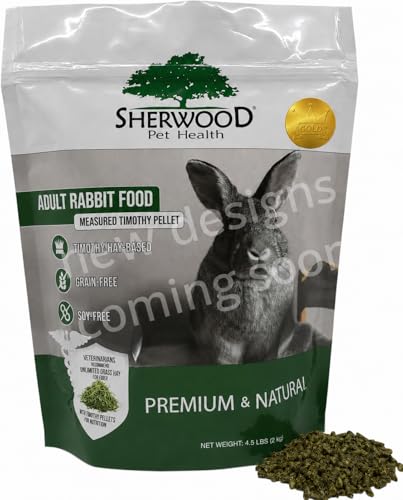
Sherwood Pet Health Timothy Hay Cubes
Loose hay gets compressed into bite-sized blocks here, so a pet that avoids long stalks still gets fiber. Dense cubes scatter far less inside a carrier than baled hay. A 4 lb bag lasts longer per trip, since pets eat less volume to get the same fiber intake.
Pros
- Compressed form reduces carrier mess
- Good option for pets that refuse loose hay strands
- Dense cubes pack more fiber per pouch
Cons
- Some rabbits prefer chewing long stalks for dental wear
- Cubes can crumble if a bag gets crushed in transit
Side by side
| # | Model | Package size | Best for | Score | Price |
|---|---|---|---|---|---|
| 1 | Oxbow Essentials Adult Rabbit Food | 5 lb, 10 lb, or 25 lb bag | Best overall | 9.4 | Check price |
| 2 | Small Pet Select Timothy Hay | 2 lb, 5 lb, 10 lb, or 25 lb bag | Best value | 9.1 | Check price |
| 3 | Kaytee Timothy Hay | 24 oz or 48 oz bag | Best budget | 8.8 | Check price |
| 4 | Oxbow Essentials Guinea Pig Food | 5 lb, 10 lb, or 25 lb bag | Best for guinea pigs | 8.5 | Check price |
| 5 | Kaytee Fiesta Max Hamster & Gerbil Food | 2 lb bag | Best for hamsters | 8.3 | Check price |
| 6 | Oxbow Simple Rewards Baked Treats | 2.5 oz pouch | Best for travel size | 8.1 | Check price |
| 7 | Sherwood Pet Health Timothy Hay Cubes | 4 lb bag | Best for picky eaters | 8.0 | Check price |
Common questions
How much small animal food should I pack for a trip?
Plan for the normal daily portion plus at least one extra day, in case of travel delays. Rabbits and guinea pigs need unlimited hay alongside a measured amount of pellets, usually about one eighth cup per two pounds of body weight. Hamsters and gerbils need less volume overall, so a 2 lb bag often lasts a full week.
Can I switch hay or pellet brands during a trip without upsetting digestion?
A sudden switch can cause loose stools or a pet refusing to eat, since small animals digest fiber through a sensitive gut microbiome. Mixing a new brand with the current one over several days before a trip helps if a switch is unavoidable. Carrying a familiar brand from home avoids this problem entirely.
What is the difference between first-cut and second-cut timothy hay?
First-cut hay grows coarser and stalkier, with fewer leaves and a lower protein content. Second-cut hay is softer and leafier, which some picky rabbits and guinea pigs prefer. Neither cut is nutritionally wrong, so the choice usually comes down to what a specific pet will actually eat.
Is pellet food or hay better for a car trip?
Pellets are easier to portion and store cleanly, but hay should still make up most of a rabbit or guinea pig’s diet regardless of trip convenience. A short day trip can lean on pellets and a small hay supply. A multi-day trip needs a full hay supply, since gut health depends on continuous fiber intake.
Do guinea pigs need different travel food than rabbits?
Yes, guinea pigs need Vitamin C fortification that most rabbit pellets skip, since guinea pigs cannot synthesize it internally. Feeding rabbit pellets to a guinea pig for an extended trip can lead to a Vitamin C deficiency. Hay is largely interchangeable between the two species, but pellets are not.
Which small animal food travels best in hot weather?
Dry pellets, hay, and hay cubes hold up better than baked treats with added oil, which can soften or turn rancid in a hot car. Keeping food out of direct sunlight and away from a trunk that heats up quickly matters more than any specific brand. A cooler is unnecessary for hay or pellets, since neither format is temperature sensitive during normal outdoor summer heat for short periods.
How long does an opened bag of hay stay fresh during a trip?
An opened hay bag stays fresh for several weeks if resealed tightly and kept dry, though a multi-day trip in a humid climate shortens that window. Watch for a musty smell or visible mold, both signs to discard the batch. A resealable bag with a real zip track protects freshness better than a bag clipped shut with a clothespin.
What food travels best for hamsters and gerbils?
A seed, grain, and pellet blend in a small resealable bag works well, since hamsters and gerbils eat less volume than rabbits or guinea pigs per day. A 2 lb bag typically covers a week or more of travel. Loose hay makes a poor primary food for hamsters, since their nutritional needs differ from rabbits and guinea pigs despite the shared small pet category.
Best portable food for a multi-pet household with rabbits and guinea pigs?
Small Pet Select Timothy Hay works for both species at once, since hay needs overlap between rabbits and guinea pigs. Pellets still need to stay separate, because Oxbow’s guinea pig formula carries Vitamin C that the rabbit version lacks. Packing both species-specific pellet bags alongside one shared hay supply avoids a nutrition mismatch.
The bottom line
Oxbow Essentials Adult Rabbit Food remains the strongest daily travel pick for rabbit owners, since the resealable bag and consistent pellet quality hold up across repeated trips. Guinea pig owners should choose Oxbow Essentials Guinea Pig Food instead, because its Vitamin C fortification covers a nutritional need rabbit pellets do not address. Hamster and gerbil owners get better mileage from Kaytee Fiesta Max, which matches their different dietary needs in a lighter, trip-sized bag.