What Pet Bird Health Supplies Are Actually Worth Buying
Lafeber’s Nutri-Berries close the nutrition gaps a seed only diet leaves. Zoo Med’s ReptiFogger raises cage humidity for dry skin and feather stress. Owners managing egg laying or heavy molting add a Zoo Med Avian Sunshine cuttlebone for extra calcium.
A seed only diet leaves gaps that surface months later as dull feathers or a brittle beak. Lafeber’s Nutri-Berries close that gap with a baked in formula instead of loose seed, though the price runs higher than plain seed. Dry indoor heating pushes owners toward the Zoo Med ReptiFogger for cage humidity, and a cuttlebone from Zoo Med rounds out calcium for laying or molting birds.
Bird health problems often show up as feather or behavior changes long after the actual deficiency began, which makes prevention hard to judge from the outside. We compared ingredient lists, vet formulated claims and owner reports on feather condition, appetite and droppings after switching supplies.
What to look for
What to look for in bird health supplies Start with the daily diet, since most preventable health issues trace back to a seed only routine missing calcium and vitamins. Add calcium support separately once a bird is laying eggs or actively molting. Humidity and bathing round out feather and skin health after diet is covered. Treat water additive vitamins as a stopgap, not a long term nutrition plan.
Formulated pellets vs seed mix A seed only mix lets a bird pick out favorite parts and skip the fortified portions mixed in. Formulated pellets and shaped foods like Nutri-Berries bake nutrients into every piece, so selective eating cannot bypass them. Seed still has a place for enrichment and foraging, just not as the sole diet.
Best supplies for molting and egg laying birds Molting birds burn through protein and calcium while rebuilding feathers, so a cuttlebone and a complete pellet base both matter more during that stretch. Regular bathing access, like the JW Pet Clean Cage Bird Bath, helps loosen old feather sheaths. Dry air makes the process itchier, which is where a humidity source like the ReptiFogger helps. Laying hens face the same calcium demand even without a molt underway.
How to transition a picky eater off seed A sudden pellet switch often gets refused outright by a bird used to seed. Fruit flavored pellets like ZuPreem FruitBlend or a mixed variety bag like Higgins Sunburst ease that shift. A water soluble vitamin supplement covers the gap during the slow switch period, not as a permanent fix. Mixing a small amount of pellets into existing seed each week keeps the change gradual.
The best picks, ranked

Lafeber’s Classic Nutri-Berries Parrot Food
Each berry shaped pellet bakes whole grains, seeds and vitamins together, so a bird cannot pick around the fortified parts. Shredding the berry apart keeps natural foraging behavior intact. Owners moving off pure seed mixes report firmer droppings and steadier weight within weeks.
Pros
- Prevents selective eating around added vitamins
- Preserves natural foraging and shredding behavior
- Suits a wide range of parrot species
Cons
- Costs more than a plain seed mix
- Some birds need a slow switch from pure seed
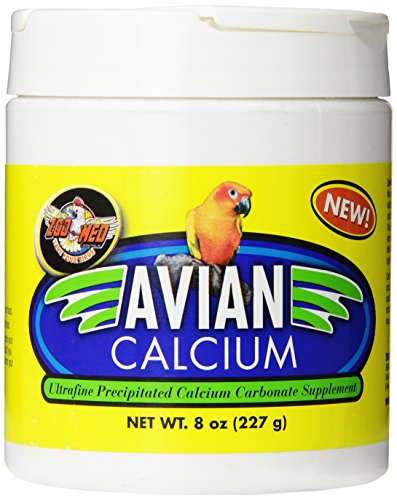
Zoo Med Avian Sunshine Cuttlebone
A clip on holder keeps the cuttlebone fixed to the cage bars, so an active bird cannot knock it into the tray. Calcium content supports egg laying hens and molting birds rebuilding feathers. Cockatiel and budgie owners report lower egg binding risk when a cuttlebone stays available year round.
Pros
- Supports calcium needs during laying and molting
- Doubles as natural beak conditioning
- Cage clip keeps it fixed in place
Cons
- Some birds ignore it until the edge is shaped
- Needs replacing once fully worn down
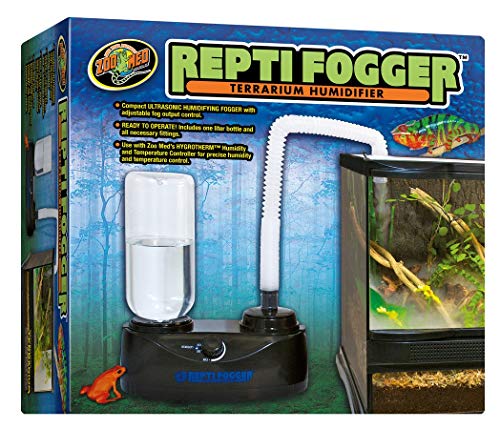
Zoo Med ReptiFogger Terrarium Fogger
Dry indoor heating pulls cage humidity low enough to stress feathers and sinuses. This fogger raises ambient moisture near the cage through adjustable ultrasonic output. Owners in dry climates run it seasonally rather than constantly.
Pros
- Raises humidity during dry winter months
- Adjustable output avoids over soaking the cage
- Refillable tank runs for extended periods
Cons
- Needs regular cleaning to avoid mineral buildup
- Not a substitute for proper cage ventilation

Morning Bird Vitamin and Mineral Supplement
A few drops mixed into the water dish adds vitamins for birds that resist food changes entirely. Picky eater owners use it as a workaround while introducing pellets gradually. Vets commonly recommend a water additive short term, not as a permanent nutrition base.
Pros
- Works even on birds resistant to diet changes
- Easy daily dosing through the water dish
- Supports vitamin gaps during a slow pellet transition
Cons
- Unused vitamins in standing water degrade fast
- Not a substitute for a balanced daily diet

Higgins Sunburst Gourmet Feast Bird Food
Dried fruit pieces, vegetables and formulated pellets mix in one bag for sensory variety alongside complete nutrition. Owners say it re-engages birds bored of a single pellet type. Portion control still matters, since dried fruit adds more sugar than plain pellets.
Pros
- Adds sensory variety over plain pellets
- Fortified base still covers core nutrition
- Helps re-engage birds bored of one food type
Cons
- Dried fruit content needs portion control
- Some birds pick out only the fruit pieces

JW Pet Clean Cage Bird Bath
Regular bathing loosens dander and keeps feather barbs aligned. This bath clips directly onto the cage door opening, and clear plastic lets owners check water level without removing it. Birds that skip standing water dishes for bathing often groom noticeably better within a couple of weeks.
Pros
- Encourages natural bathing behavior
- Clips on without extra cage modification
- Clear body makes water level easy to check
Cons
- Some birds need time to accept a new bath
- Needs daily emptying and refilling to stay clean

ZuPreem FruitBlend Flavor Pellets
A straightforward complete pellet covers daily nutrition without the added cost of berry shaped or gourmet mixes. Fruit flavoring helps birds transitioning off seed accept the switch faster. Budget conscious owners use it as the daily base and add supplements only where a specific gap shows up.
Pros
- Lower cost complete daily nutrition
- Fruit flavor eases the seed to pellet transition
- Widely available in multiple bag sizes
Cons
- Less foraging engagement than shaped berry food
- Some flock owners report pickier eaters reject it
The lineup, side by side
| # | Model | Form | Best for | Score | Price |
|---|---|---|---|---|---|
| 1 | Lafeber’s Classic Nutri-Berries Parrot Food | Whole grain and seed berries | Best overall | 9.3 | Check price |
| 2 | Zoo Med Avian Sunshine Cuttlebone | Natural cuttlebone | Best for calcium support | 9.0 | Check price |
| 3 | Zoo Med ReptiFogger Terrarium Fogger | Adjustable ultrasonic fog | Best for humidity control | 8.8 | Check price |
| 4 | Morning Bird Vitamin and Mineral Supplement | Liquid, added to drinking water | Best for water soluble vitamins | 8.5 | Check price |
| 5 | Higgins Sunburst Gourmet Feast Bird Food | Pellets with dried fruit and vegetable pieces | Best for variety and enrichment | 8.3 | Check price |
| 6 | JW Pet Clean Cage Bird Bath | Clips onto standard cage door opening | Best for feather and skin health | 8.1 | Check price |
| 7 | ZuPreem FruitBlend Flavor Pellets | Extruded pellets, fruit flavored | Best budget | 8.0 | Check price |
Good to know
What supplements does a pet bird actually need?
Most birds on a formulated pellet diet need little beyond calcium during laying or molting. Birds still eating mostly seed benefit most from switching to a complete pellet before adding extra supplements.
Do birds need a cuttlebone if they already eat pellets?
Laying hens and heavily molting birds still benefit from extra calcium even on a complete pellet diet. Birds not laying or molting can go without, though most accept a cuttlebone as enrichment regardless.
How do you switch a bird from seed to pellets?
Mix a small amount of pellets into the existing seed and raise the ratio gradually over several weeks. Fruit flavored pellets, like ZuPreem FruitBlend, or a mixed bag speed acceptance for resistant birds.
Is cage humidity actually important for bird health?
Low humidity during dry heating seasons can dry out skin and stress feather condition. A humidity source placed near the cage helps, though it should not replace proper airflow.
How often should a pet bird bathe?
Most birds benefit from bathing access two to three times a week, though preference varies by species. A clip on cage bath makes that available daily without extra owner effort.
Can vitamin drops in water actually go bad?
Yes, standing water with added vitamins degrades within hours, especially in a warm room. Refresh the water and vitamin dose daily rather than leaving it for days.
What are signs of a nutritional deficiency in birds?
Dull or brittle feathers, slow regrowth after molting and soft egg shells in laying hens commonly point to a diet gap. A vet visit is worth it if these persist after switching to a complete diet.
Is dried fruit in bird food bad for pet birds?
In moderation dried fruit adds enrichment and variety, but its sugar content means it should stay a smaller portion of the diet. Mixed foods like Higgins Sunburst are meant to supplement a pellet base, not replace it.
Final word
Bird owners still feeding mostly seed should switch the daily base to Lafeber’s Nutri-Berries first, since that closes the biggest nutrition gap. Add a Zoo Med cuttlebone once a bird is laying eggs or mid molt, and reach for the ReptiFogger only once winter heating actually drops cage humidity. Skip buying every supplement here at once; diet fixes more problems than any single add on ever will.


