Premium Sandboxes That Turn Backyards Into Playgrounds
The Step2 Naturally Playful Sand Table takes the top spot for most families. It is the best premium sandbox for toddlers and young kids because it offers a raised design that reduces back strain for parents and keeps sand cleaner. Its main advantage is the included lid and accessory set, which add value. The main limitation is its smaller capacity, which may not satisfy older kids who want to dig deep.
A premium sandbox can be the centerpiece of backyard play. It offers a safe, creative space for kids to dig, build, and imagine. But not all sandboxes are equal. Some are flimsy, some are too small, and some lack covers to keep out rain and animals.
We have compared seven top-rated premium sandboxes to help you choose. Each one has earned high marks from owners for quality and durability. Our picks include wooden and plastic models, with features like benches, canopies, and storage. Read on to find the best fit for your family.
The shortlist, ranked

Step2 Naturally Playful Sand Table
This raised sand table brings play to a comfortable height. It includes a lid, four accessories, and a sturdy plastic build. Owners say it is easy to clean and resists weather well. The compact footprint fits small spaces.
Pros
- Raised design saves parents’ backs
- Lid keeps sand clean and dry
- Accessories included
Cons
- Smaller play area than ground models
- Sand not included
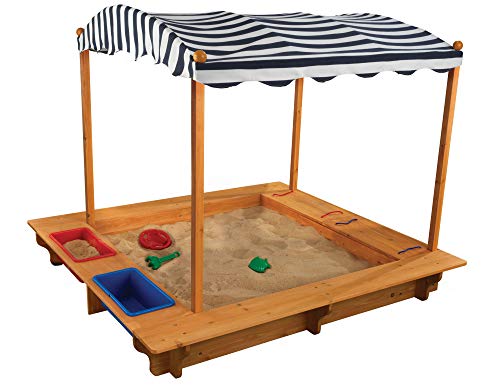
KidKraft Wooden Sandbox with Canopy
This wooden sandbox features a canopy that blocks harmful UV rays. It has a large play area and built-in benches. The wood is treated to resist rot and splinters. Owners report it is sturdy and looks great in any yard.
Pros
- Large capacity for multiple kids
- Canopy offers shade
- Benches around the edge
Cons
- Assembly requires time and tools
- Wood needs occasional sealing
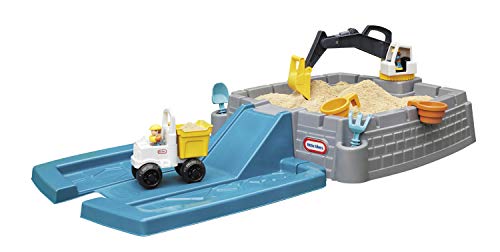
Little Tikes Big Digger Sandbox
This sandbox looks like a construction site with a digger and dump truck. Kids can scoop and dump sand for hours. The plastic shell is durable and easy to wipe down. It comes with a cover to keep sand in and debris out.
Pros
- Engaging theme for kids
- Durable plastic resists cracking
- Cover included
Cons
- Takes up more space
- Digger parts may break with rough use

Backyard Discovery Cedar Wood Sandbox
This cedar wood sandbox offers a classic aesthetic that blends with natural landscapes. It features a built-in bench and a canopy for shade. Cedar is naturally resistant to rot and insects. Owners love its sturdiness and timeless appeal.
Pros
- Premium cedar wood
- Spacious square design
- Natural resistance to decay
Cons
- Higher price point
- Assembly is complex

Sand & Water Table by Step2
This table combines a sandbox and a water table, offering double the fun. It has two separate compartments with lids. The height is ideal for toddlers and preschoolers. It is made from durable, fade-resistant plastic.
Pros
- Two activities in one
- Lids keep each side clean
- Easy to drain and refill
Cons
- Smaller sand area
- Water may splash out
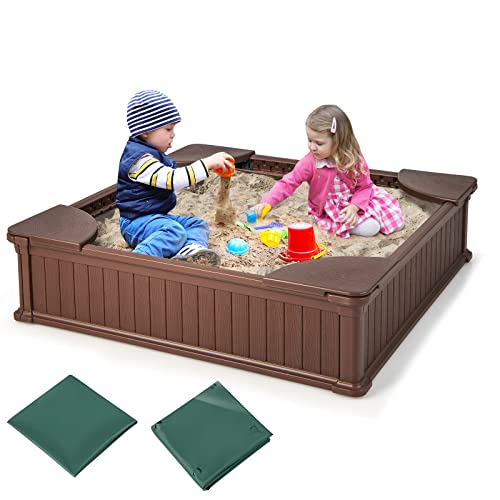
Costzon Large Sandbox with Cover
This massive sandbox provides a huge play area for multiple children. It is made from sturdy plastic and includes a cover to protect the sand. The rounded corners enhance safety. Owners say it is easy to assemble and move if needed.
Pros
- Very spacious
- Lightweight and portable
- Cover included
Cons
- Low sides allow sand spill
- Plastic may fade over time

B. toys Sandbox with Tools
This sandbox offers a premium feel at a lower price. It has a hexagonal shape and comes with many accessories. The plastic is BPA-free and safe for kids. It includes a cover but lacks a built-in bench.
Pros
- Affordable premium option
- Many accessories included
- BPA-free materials
Cons
- No bench or shade
- Sand capacity not listed
What to look for
Material and Durability Premium sandboxes come in wood or plastic. Wood offers a natural look and can last years with proper care. Cedar and redwood resist rot. Plastic is lighter and easier to clean, but it can fade or crack in extreme sun. Consider your climate and how much maintenance you want.
Size and Capacity Think about your available space and how many children will use the sandbox. A larger sandbox allows for more creative play but requires more sand and a bigger footprint. Smaller models are fine for toddlers but may be outgrown quickly. Measure your yard before buying.
Safety Features Look for rounded edges, splinter-free wood, and non-toxic materials. A cover is essential to keep animals out and sand clean. Some sandboxes come with benches that double as seating. Always supervise young children around sand to avoid ingestion.
Added Features Canopies provide shade and protect kids from UV rays. Built-in benches offer seating. Some models include accessories like shovels and molds. Consider what extras are important to you. These features can increase the price, but they also add convenience and fun.
How they compare
| # | Model | Material | Best for | Score | Price |
|---|---|---|---|---|---|
| 1 | Step2 Naturally Playful Sand Table | Molded plastic | Toddlers and small backyards | 9.4 | Check price |
| 2 | KidKraft Wooden Sandbox with Canopy | Fir wood with protective finish | Sun protection | 9.2 | Check price |
| 3 | Little Tikes Big Digger Sandbox | Plastic | Construction-themed play | 9.0 | Check price |
| 4 | Backyard Discovery Cedar Wood Sandbox | Cedar wood | Traditional look and durability | 8.8 | Check price |
| 5 | Sand & Water Table by Step2 | Plastic | Versatile play with water | 8.6 | Check price |
| 6 | Costzon Large Sandbox with Cover | Plastic | Large families or groups | 8.4 | Check price |
| 7 | B. toys Sandbox with Tools | BPA-free plastic | Budget-conscious parents | 8.0 | Check price |
Questions worth asking
What is the best type of sand for a sandbox?
Play sand, which is specifically designed for sandboxes, is the best choice. It is washed and sterilized to remove harmful particles. Avoid sand from beaches or construction sites, as it may contain sharp shells or chemicals.
How much sand do I need for a premium sandbox?
It depends on the size of the sandbox. Most manufacturers list the capacity in pounds. As a general rule, you need enough sand to fill the box to a depth of about 2 to 3 inches. Check the product specifications for guidance.
How often should I replace the sand?
Sand does not need to be replaced every year if it is kept clean. However, if it gets contaminated with animal waste or becomes moldy, replace it immediately. Some owners replace sand every 2 to 3 years for freshness.
Can I leave my sandbox outside all year?
Most premium sandboxes are designed to withstand outdoor conditions. However, wooden sandboxes may need sealing each year. Plastic models are generally fine but can become brittle in extreme cold. Using the cover will extend the life of the sand and the box.
Are sandboxes safe for toddlers?
Yes, sandboxes are safe for toddlers when they are supervised. Choose a sandbox with low sides and no sharp edges. Use play sand that is non-toxic. Always watch young children to prevent sand ingestion or eye irritation.
Do I need to put a weed barrier under the sandbox?
It is recommended to put a weed barrier or landscape fabric under the sandbox. This prevents grass and weeds from growing through. It also helps with drainage. Many sandboxes come with a bottom, but for ground models, a barrier is helpful.
How do I clean a sandbox?
Regularly remove debris like leaves and bugs. Use a rake to turn the sand and let it dry in the sun. For deeper cleaning, you can wash the sand with a mild soap and water, but ensure it dries completely. Replace sand if it becomes contaminated.
What is the best way to keep animals out of the sandbox?
The best way is to always keep the cover on when the sandbox is not in use. If you do not have a cover, you can use a tarp secured with bungee cords. Some owners sprinkle cinnamon or use repellents, but a secure cover is most effective.
Can I use a sandbox as a water table?
Some sandboxes are specifically designed for both sand and water, like the Step2 Sand & Water Table. For other sandboxes, adding water creates mud, which can be fun but may be messy. Check if your sandbox has drainage holes if you plan to use water.
Are wooden sandboxes better than plastic?
Wooden sandboxes are often more durable and aesthetically pleasing, but they require more maintenance. Plastic sandboxes are easier to clean and assemble, but they may not last as long. The best choice depends on your priorities: longevity and looks versus convenience.
The verdict
After comparing these seven premium sandboxes, the Step2 Naturally Playful Sand Table is the clear winner for most families. It combines durability, safety, and practical features like a lid and accessories. For those needing more space and sun protection, the KidKraft Wooden Sandbox with Canopy is an excellent alternative. If you want a traditional wooden look that will age gracefully, the Backyard Discovery Cedar Wood Sandbox is worth the investment. Choose the Step2 if you have young children and limited space; choose a larger wooden model if you have a big backyard and want a long-term playset.


