Top Professional Audio Accessories for Studio and Stage
The Focusrite Scarlett 2i2 stands out as our top pick for most professionals due to its reliable preamps, robust build, and user-friendly interface, making it ideal for home studios and mobile recording. Its main limitation is the lack of MIDI ports, which may require an adapter for some setups.
Professional audio work demands gear that delivers clean sound, reliable performance, and lasting durability. Whether you are tracking vocals, mixing tracks, or monitoring live sound, the right accessories can make or break your workflow.
This roundup covers essential tools: audio interfaces, studio monitors, headphones, microphones, and more. We compared each product’s specs, user reviews, and overall suitability for serious audio work.
The top picks, ranked
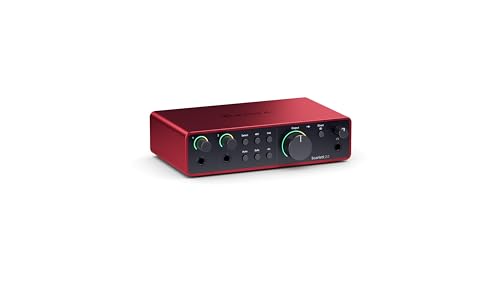
Focusrite Scarlett 2i2 (3rd Gen) USB Audio Interface
The Focusrite Scarlett 2i2 is a staple in many project studios. With two high-headroom instrument inputs and two Scarlett mic preamps, it delivers clean gain and low noise. Owners report reliable performance across Mac and PC, and the USB-C connectivity ensures fast data transfer. Its compact metal chassis feels sturdy on a desk or in a backpack.
Pros
- Low noise preamps
- Solid build quality
- Easy setup with bundled software
Cons
- No MIDI ports
- No pad switch on inputs

KRK Rokit 5 G4 Studio Monitor
The KRK Rokit 5 G4 offers a balanced frequency response with a Kevlar woofer and soft-dome tweeter. It features a built-in DSP with room EQ to tailor the sound to your space. Users appreciate the clear mids and tight bass. The front-firing port allows flexible placement near walls.
Pros
- Accurate sound reproduction
- Room tuning EQ
- Front port for easy placement
Cons
- Bass extension limited for larger rooms
- Some hiss at high volumes

Audio-Technica ATH-M50x Professional Studio Headphones
The ATH-M50x are legendary in the audio community. They feature 45 mm large-aperture drivers with a frequency response from 15 Hz to 28 kHz. The circumaural design provides good isolation, and the ear cups swivel for one-ear monitoring. Users note the detachable cables come in three lengths, adding flexibility.
Pros
- Balanced, detailed sound
- Comfortable for long sessions
- Foldable for portability
Cons
- Non-replaceable earpads (though aftermarket available)
- Slightly heavy for some
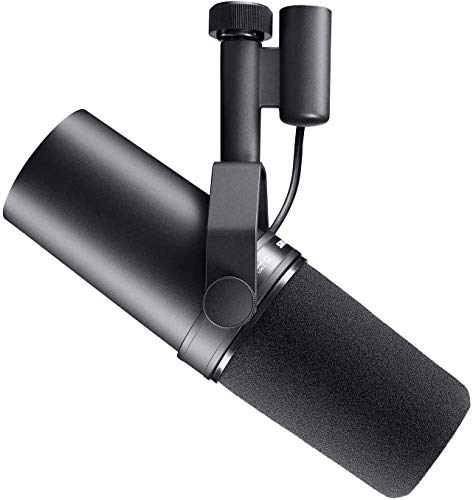
Shure SM7B Dynamic Vocal Microphone
The Shure SM7B is an industry standard for podcasts and vocals. Its dynamic capsule captures a smooth, warm tone with excellent rejection of electromagnetic hum. The built-in pop filter and air suspension reduce mechanical noise. It requires significant gain, so a quality preamp is recommended.
Pros
- Excellent sound isolation
- Durable construction
- Versatile for voice and instruments
Cons
- Needs high gain preamp
- Heavy and large
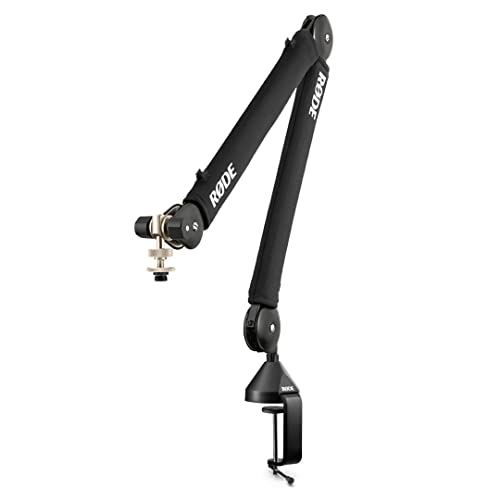
Rode PSA1+ Professional Studio Boom Arm
The Rode PSA1+ is an improved version of the PSA1, featuring a tighter spring for heavier microphones and internal springs for safety. It has a desk clamp and a 3/8 inch thread with adapter. Users report smooth movement and stable hold for mics like the SM7B.
Pros
- Handles heavy mics
- Internal cables hidden
- Smooth articulation
Cons
- Clamp may mark desks
- No cable guide on arm

Behringer U-Phoria UMC404HD Audio Interface
The UMC404HD offers four inputs with MIDAS-designed preamps, which are known for low noise and high headroom. It provides 24-bit/192kHz resolution and MIDAS pro-grade converters. Users appreciate the inclusion of insert points and MIDI I/O, making it a flexible option for larger setups.
Pros
- Four preamps with good quality
- MIDI connectivity
- Low price for features
Cons
- Driver software can be finicky
- No USB-C, but includes cable

Sennheiser HD 280 Pro Headphones
Sennheiser HD 280 Pro is a closed-back headphone known for its excellent ambient noise reduction of up to 32 dB. It delivers a detailed, balanced sound with a robust build. The ear cups are comfortable for long sessions, and the coiled cable is durable.
Pros
- Strong isolation
- Durable and folding design
- Good value
Cons
- Clamping force may be tight
- Sound is slightly dark
Before you buy
How they compare
| # | Model | Inputs | Best for | Score | Price |
|---|---|---|---|---|---|
| 1 | Focusrite Scarlett 2i2 (3rd Gen) USB Audio Interface | 2 XLR combo, 2 instrument | Home studio recording and mobile setup | 9.4 | Check price |
| 2 | KRK Rokit 5 G4 Studio Monitor | 5 inch Kevlar | Near-field mixing in small rooms | 9.1 | Check price |
| 3 | Audio-Technica ATH-M50x Professional Studio Headphones | 45 mm dynamic | Tracking and critical listening | 9.2 | Check price |
| 4 | Shure SM7B Dynamic Vocal Microphone | Dynamic | Broadcast and vocal recording | 9.3 | Check price |
| 5 | Rode PSA1+ Professional Studio Boom Arm | 750mm vertical, 820mm horizontal | Mic positioning and cable management | 8.8 | Check price |
| 6 | Behringer U-Phoria UMC404HD Audio Interface | 4 XLR/line combo | Multi-input recording on a budget | 8.7 | Check price |
| 7 | Sennheiser HD 280 Pro Headphones | Dynamic | Isolation for tracking | 8.6 | Check price |
Good to know
What is the difference between dynamic and condenser microphones?
Dynamic mics are robust, handle high volumes, and reject ambient noise well. They are ideal for live sound and untreated rooms. Condenser mics are more sensitive and capture finer details, requiring phantom power and a quiet environment. For professional studio vocals, many prefer condensers, but dynamics are excellent for podcasts and rock vocals.
Do I need studio monitors if I have good headphones?
Both have benefits. Headphones offer consistent monitoring without room acoustics, but they can cause ear fatigue and may not translate well to speakers. Monitors provide a natural stereo image and allow you to hear low frequencies in the room. Ideally, use both: headphones for tracking and monitors for final mixing.
How many inputs do I need in an audio interface?
That depends on your recording needs. For solo podcasting or vocals, two inputs are enough. If you record bands or multiple mics simultaneously, consider 4 or more. More inputs also allow for future expansion. Always think about your current and near-future projects.
What is the importance of preamp quality?
Preamps boost the mic signal to line level. Clean preamps add minimal noise and coloration, preserving the original sound. This is especially critical for dynamic mics like the SM7B, which need high gain. Quality preamps also provide better headroom, preventing distortion.
Can I use consumer headphones for mixing?
Consumer headphones often have boosted bass and treble, which can mislead your mix. Professional studio headphones aim for a flat response. While you can mix with consumer cans, it is not recommended. Invest in a pair designed for accurate monitoring.
What is phantom power and when do I need it?
Phantom power is a 48V DC supply sent through XLR cables to power condenser microphones that require it. Dynamic mics do not need it, and most interfaces have a switch to enable it. Always turn on phantom power only when using condenser mics to avoid damaging other equipment.
How do I reduce room reflections for better recordings?
Use acoustic treatment like foam panels, bass traps, and diffusers. Place panels at first reflection points. Alternatively, record in a closet filled with clothes or use a portable isolation shield. The goal is to minimize early reflections that cause comb filtering and a boxy sound.
Are expensive XLR cables worth it?
High-quality cables have better shielding and connectors, reducing noise and lasting longer. However, expensive does not always mean better. Look for cables with thick gauge, good shielding, and durable connectors. For professional use, reliability is key, so avoid the cheapest options.
What is a pop filter and why use it?
A pop filter is a mesh screen placed between the mic and the vocalist to reduce plosives (‘p’ and ‘b’ sounds) that cause low-frequency thumps. It also protects the mic from saliva. It is essential for clean vocal recordings, especially with condenser mics.
Can I use a USB microphone instead of an interface and XLR mic?
USB mics are convenient but often have lower quality preamps and are less versatile. They cannot be upgraded with better mics or used for multi-mic setups. For professional growth, an interface and XLR mic offer more flexibility and better sound potential.
Our pick
For most professionals, the Focusrite Scarlett 2i2 is the best all-round audio interface, offering reliable performance and pristine sound at a reasonable cost. Pair it with the Audio-Technica ATH-M50x headphones for accurate monitoring, and add the Shure SM7B for vocals that need minimal post-processing. This combination will serve you well in both studio and home setups.