Top Chef Knives for Serious Cooks and Pros
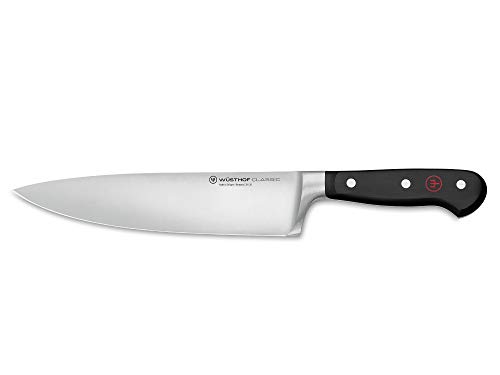
The Wusthof Classic Ikon 8-inch Chef’s Knife is our top pick for most professional chefs due to its precise German engineering, excellent edge retention, and comfortable, balanced handle. It handles heavy daily use and maintains sharpness longer than many comparable knives, though it requires regular honing and is not dishwasher safe.
A professional chef’s knife is the most important tool in the kitchen. It handles slicing, dicing, chopping, and mincing with precision. The right knife makes prep faster and safer.
We compared top-rated knives from brands like Wusthof, Zwilling, Shun, and more. Each model was selected for its build quality, ergonomics, and edge performance. Here are the best professional chef knives currently on the market.
The shortlist, ranked

Wusthof Classic Ikon 8-Inch Chef’s Knife
The Wusthof Classic Ikon is a favorite among professional chefs for its precision-forged German steel and ergonomic handle. The blade is laser-tested for a perfect edge, and the full tang provides ideal balance. Owners report that it holds an edge well and feels comfortable even after long prep sessions.
Pros
- Excellent edge retention
- Comfortable, balanced handle
- Versatile for many cutting tasks
Cons
- Requires regular honing
- Not dishwasher safe

Zwilling Pro 8-Inch Chef’s Knife
Zwilling Pro is known for its distinctive bolster that extends to the blade edge, allowing a proper pinch grip. The knife is ice-hardened for durability and sharpness. Chefs appreciate the sturdy feel and the ability to rock chop easily. Some users note the handle is a bit heavy, but that adds to its power.
Pros
- Bold, modern design
- Great for rocking cuts
- Durable and sturdy
Cons
- Heavier than some
- Bolster can hinder sharpening

Shun Classic 8-Inch Chef’s Knife
Shun Classic features a VG-MAX steel core clad in Damascus layers, creating a razor-sharp edge that is incredibly precise. The D-shaped handle fits comfortably in the hand. This knife excels at thin slicing and intricate work, but it is more brittle and requires careful handling to avoid chipping.
Pros
- Incredibly sharp out of the box
- Beautiful Damascus pattern
- Lightweight and agile
Cons
- Blade is more brittle
- Requires hand washing

Global G-2 8-Inch Chef’s Knife
Global G-2 is a Japanese knife made from a single piece of stainless steel, giving it a seamless, lightweight feel. The blade is sharp and retains its edge well. The handle has a dimpled texture for a secure grip. Some cooks find the handle too thin, but many appreciate its nimble handling.
Pros
- Very lightweight
- Seamless design is hygienic
- Sharp and precise
Cons
- Handle may be slippery for some
- Stamped blade not forged

MAC Mighty MTH-80 8-Inch Chef’s Knife
MAC Mighty is a cult favorite among professional chefs for its exceptional out-of-the-box sharpness and durability. The blade is made from high-carbon stainless steel that is easy to sharpen. The handle is ergonomic and offers a comfortable grip. It is often compared to knives twice its price, making it a top value for pros.
Pros
- Exceptional sharpness
- Easy to sharpen
- Great value for pros
Cons
- Edge may chip with heavy use
- Not full tang

Misen 8-Inch Chef’s Knife
Misen is a direct-to-consumer brand that offers a well-balanced chef’s knife at an accessible price. The blade is made from AUS-8 steel, which is known for its toughness and ease of sharpening. The handle is angled to promote a proper pinch grip. Owners report good performance for the price, though it may not match high-end German steel in edge retention.
Pros
- Affordable price
- Comfortable handle
- Good balance
Cons
- Edge dulls faster than premium steels
- Not as durable for heavy use

Victorinox Fibrox Pro 8-Inch Chef’s Knife
Victorinox Fibrox is a classic budget chef’s knife that is widely used in culinary schools. The blade is stamped from high-carbon stainless steel, making it lightweight and easy to maintain. The textured handle provides a secure grip even when wet. While it lacks the heft and edge retention of forged knives, it offers excellent value for the price.
Pros
- Very affordable
- Lightweight and easy to handle
- Non-slip handle
Cons
- Not as sharp as forged knives
- Lacks durability for heavy use
Before you buy
How they compare
| # | Model | Blade Length | Best for | Score | Price |
|---|---|---|---|---|---|
| 1 | Wusthof Classic Ikon 8-Inch Chef’s Knife | 8 inches | Overall Best Professional Chef’s Knife | 9.6 | Check price |
| 2 | Zwilling Pro 8-Inch Chef’s Knife | 8 inches | Best German Alternative with a Bold Design | 9.3 | Check price |
| 3 | Shun Classic 8-Inch Chef’s Knife | 8 inches | Best Japanese-Style Knife for Precision | 9.1 | Check price |
| 4 | Global G-2 8-Inch Chef’s Knife | 8 inches | Best Lightweight and Agile Knife | 8.9 | Check price |
| 5 | MAC Mighty MTH-80 8-Inch Chef’s Knife | 8 inches | Best for Professional Performance at Value | 9.0 | Check price |
| 6 | Misen 8-Inch Chef’s Knife | 8 inches | Best Budget-Friendly Professional Knife | 8.5 | Check price |
| 7 | Victorinox Fibrox Pro 8-Inch Chef’s Knife | 8 inches | Best Budget Pick for Beginners or Students | 8.2 | Check price |
Common questions
What is the best chef’s knife for professional use?
The Wusthof Classic Ikon is often recommended for professionals due to its balance, edge retention, and comfortable handle. However, the best knife depends on your personal grip, cutting style, and budget. Many pros also favor Japanese knives for their sharpness.
What is the difference between German and Japanese chef’s knives?
German knives are typically forged from softer steel, making them more durable and flexible. They have a thicker blade and a more pronounced curve, good for rocking cuts. Japanese knives use harder steel, resulting in a sharper edge that lasts longer but is more brittle. They are often lighter and better for precise slicing.
How often should I sharpen my chef’s knife?
Regular honing with a steel should be done every few uses to maintain the edge. Full sharpening with a whetstone or professional service is needed every few months, depending on usage. If the knife feels dull or requires extra pressure, it is time to sharpen.
Is a forged knife better than a stamped one?
Forged knives are generally heavier, more durable, and have better balance, making them a favorite among professionals. Stamped knives are lighter and more affordable, but they may not hold an edge as well. For heavy daily use, a forged knife is often worth the investment.
Can I use a chef’s knife on a cutting board made of glass or stone?
No, glass, stone, and ceramic cutting boards are too hard and will dull the blade quickly. Use a wooden, bamboo, or plastic cutting board to preserve the edge. These softer surfaces are gentler on the knife.
What does ‘full tang’ mean in a knife?
Full tang means the blade metal extends through the handle to the end. This provides better balance and durability, as the handle is less likely to break. Most professional knives feature a full tang, and it is a sign of quality.
How do I choose the right size chef’s knife?
The most common size is 8 inches, suitable for most tasks and hand sizes. If you have larger hands, a 10-inch knife may be more comfortable. A 6-inch knife is easier to control and good for smaller tasks, but less versatile.
Why does my knife require more frequent sharpening?
Several factors affect edge retention: the steel type, hardness, and how you use and store the knife. Harder steels like those in Japanese knives hold an edge longer. Using a cutting board that is too hard or cutting on hard surfaces can dull the blade faster. Regular honing helps maintain the edge.
Can I put my professional chef’s knife in the dishwasher?
No, you should never put a high-quality chef’s knife in the dishwasher. The heat, moisture, and detergents can warp the blade, damage the handle, and dull the edge. Always hand wash and dry immediately.
What is the best way to store a chef’s knife?
Store your knife in a wooden block, on a magnetic strip, or in a blade guard. This protects the blade from damage and prevents accidents. Do not toss it in a drawer, as it can nick the edge and pose a safety hazard.
Our pick
For most professional chefs and serious home cooks, the Wusthof Classic Ikon is the best overall choice due to its superior balance, edge retention, and comfortable handle. If you prefer Japanese precision and don’t mind extra care, the Shun Classic is excellent. For a budget-friendly option that still performs well, the MAC Mighty is a top value. Choose the Wusthof if you want a reliable workhorse that can handle daily demands.