Quilting Supplies That Make Every Stitch Count
For most quilters, the Fiskars 45mm Rotary Cutter stands out as the top pick because it offers a comfortable grip and sharp, durable blades that slice through multiple layers with ease. Its main advantage is the ergonomic handle that reduces hand fatigue during long cutting sessions, while a minor limitation is that it requires a cutting mat for safe use.
Quilting is a craft that demands precision, and having the right tools can make all the difference between a frustrating session and a joyful one. Whether you are a beginner piecing your first quilt or an experienced quilter tackling intricate patterns, the right supplies help you cut accurately, measure reliably, and sew confidently.
This roundup focuses on essential quilting tools that owners report as reliable and effective. We have selected a mix of well-known brands and models that are currently available, ensuring you get the best options for your quilting needs.
How to choose
The top picks, ranked

Fiskars 45mm Rotary Cutter
The Fiskars 45mm Rotary Cutter is a favorite among quilters for its comfortable, ergonomic handle and sharp, durable blade. It easily cuts through multiple layers of fabric, making it ideal for cutting strips and shapes. The blade guard provides safety when not in use, and the handle is designed to reduce hand strain.
Pros
- Comfortable grip reduces fatigue
- Sharp blade cuts cleanly
- Easy to use and replace blades
Cons
- Requires cutting mat
- Blade may dull over time
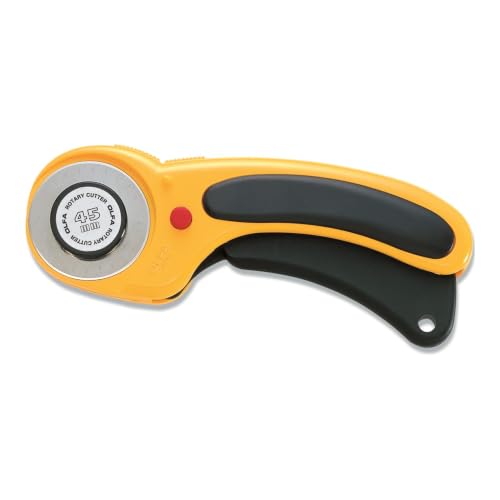
OLFA 45mm Rotary Cutter
The OLFA 45mm Rotary Cutter is known for its lightweight design and ultra-sharp blade. It features a snap-open mechanism for quick blade changes and a comfortable grip that allows for controlled cutting. Quilters appreciate its accuracy, especially for detailed work.
Pros
- Lightweight and easy to maneuver
- Sharp blade for clean cuts
- Simple blade replacement
Cons
- Handle may feel slippery for some
- No extra blades included

Creative Grids 6.5 x 24 Inch Ruler
This Creative Grids ruler is a staple for quilters who need accurate measurements. It features a non-slip grip that holds fabric in place, and the clear markings make it easy to align. The ruler is designed to resist slipping, ensuring precise cuts every time.
Pros
- Non-slip backing prevents shifting
- Clear, easy-to-read markings
- Durable acrylic construction
Cons
- Large size may be bulky for small projects
- Price is higher than some rulers

Gingher 8 Inch Knife Edge Dressmaker’s Shears
Gingher shears are renowned for their sharpness and durability. The 8-inch knife edge scissors cut through multiple layers of fabric smoothly, making them perfect for trimming seams and cutting fabric pieces. The stainless steel blades stay sharp for years.
Pros
- Exceptionally sharp blades
- Comfortable to hold
- Long-lasting quality
Cons
- Pricey compared to other scissors
- Not for cutting paper (dulls blades)

Fiskars 45mm Rotary Cutting Mat
This self-healing cutting mat from Fiskars provides a safe surface for rotary cutting. It features a grid pattern for easy measuring, and its self-healing surface closes up after cuts, extending the life of both mat and blades. The mat is double-sided with imperial and metric measurements.
Pros
- Large cutting area
- Self-healing surface
- Clear grid lines
Cons
- Large size requires dedicated space
- Can develop creases if bent

Oliso Smart Iron TG1050
The Oliso Smart Iron is a game-changer for quilters. It lifts itself when not in use, preventing scorch marks on fabric and saving energy. The iron heats quickly and provides a consistent steam burst for crisp seams. Its smart features make it a favorite among quilters.
Pros
- Auto-lift feature prevents accidents
- Heats up fast
- Great steam output
Cons
- Expensive
- Heavy for some users

Dritz 6630 Quilting Safety Pins
Dritz safety pins are curved for easier pinning through thick layers. They are rust-resistant and have a smooth finish that doesn’t snag fabric. Each pack contains 30 pins, enough for a small quilt.
Pros
- Curved design eases pinning
- Smooth finish prevents snags
- Rust-resistant
Cons
- Small quantity for large quilts
- Plastic coating may wear off
How they stack up
| # | Model | Blade Size | Best for | Score | Price |
|---|---|---|---|---|---|
| 1 | Fiskars 45mm Rotary Cutter | 45mm | All-purpose cutting with comfort | 9.4 | Check price |
| 2 | OLFA 45mm Rotary Cutter | 45mm | Precision cutting with a lightweight feel | 9.2 | Check price |
| 3 | Creative Grids 6.5 x 24 Inch Ruler | 6.5 x 24 inches | Measuring and cutting long strips | 9.1 | Check price |
| 4 | Gingher 8 Inch Knife Edge Dressmaker’s Shears | 8 inches | Cutting fabric with precision | 9.0 | Check price |
| 5 | Fiskars 45mm Rotary Cutting Mat | 24 x 36 inches | Protecting surfaces and extending blade life | 8.8 | Check price |
| 6 | Oliso Smart Iron TG1050 | 1400 watts | Ironing seams without constant heat | 8.7 | Check price |
| 7 | Dritz 6630 Quilting Safety Pins | 30 pins | Basting layers together | 8.5 | Check price |
Common questions
What is the best rotary cutter size for quilting?
The 45mm rotary cutter is the most popular and versatile size for quilting. It can cut through multiple layers of fabric with ease and is suitable for both straight and curved cuts. Smaller sizes like 28mm are good for detail work, while 60mm is used for heavier materials.
How often should I replace my rotary cutter blade?
It depends on how often you cut. For regular quilting, you may need to replace the blade every few months. If you notice the blade is not cutting cleanly or is skipping, it’s time to replace it. Always use a cutting mat to extend blade life.
Can I use regular scissors for quilting?
Yes, you can use regular scissors, but they may not provide the precision and ease needed for quilting. Dedicated fabric shears have sharper blades and are designed to cut through fabric smoothly. They also reduce hand fatigue.
What is the difference between a self-healing and a regular cutting mat?
A self-healing mat is made of a material that closes up after being cut, so it doesn’t show permanent grooves. This extends the life of the mat and keeps your blade sharper. Regular mats may get deep cuts that can affect cutting accuracy.
Why do I need a non-slip ruler?
A non-slip ruler has a special grip on the bottom that prevents it from sliding while you cut. This ensures that your measurements stay accurate and prevents accidents. It is especially helpful when cutting with a rotary cutter.
How do I care for my rotary cutter blade?
To keep your blade sharp, always cut on a self-healing mat. Clean the blade with a soft cloth to remove lint, and store it with the guard on. Replace blades when they become dull to ensure clean cuts.
What is the best way to baste a quilt?
Basting involves layering the quilt top, batting, and backing, and securing them together. Using curved safety pins is a popular method because they hold layers firmly without shifting. Spray basting is another option, but pins are more secure.
Are expensive irons worth it for quilting?
Expensive irons often have features like auto-lift, precise temperature control, and strong steam output, which can make pressing easier and safer. However, a mid-range iron can also work well if it provides even heat and steam. Consider your budget and how often you quilt.
Can I use a regular iron for quilting?
Yes, you can use a regular iron, but it may not have the precision or safety features of a quilting iron. Regular irons can be heavier and may not maintain an even temperature, which is important for pressing seams without scorching.
How do I choose the right cutting mat size?
Consider the size of your projects. For quilting, a 24 x 36 inch mat is ideal for cutting long strips and large pieces. If space is limited, a smaller mat like 18 x 24 inches can work for smaller projects. Ensure the mat fits on your work surface.
The bottom line
For most quilters, the Fiskars 45mm Rotary Cutter is the best choice due to its balance of comfort, sharpness, and reliability. Pair it with the Creative Grids ruler and a self-healing mat for a setup that will serve you well for years. If you prefer precision and lightweight tools, the OLFA cutter is a close second. For pressing, the Oliso Smart Iron, despite its higher price, offers safety and efficiency that enhance the quilting experience.