What Should You Feed Your Reptile Every Week?
Repashy Superfoods Crested Gecko Meal Replacement Powder is our overall pick for complete, easy to prepare nutrition. Pangea Fruit Mix Complete is the better option for picky geckos, and Zoo Med Natural Adult Bearded Dragon Food is the most convenient staple for dragons.
Repashy Superfoods Crested Gecko MRP is the complete diet we would start most gecko keepers on, Pangea Fruit Mix Complete is the fallback for fussy eaters, and Zoo Med Natural Adult Bearded Dragon Food is the convenient staple for dragons.
Reptile diets are far more species specific than dog or cat food, and a product that keeps a crested gecko thriving is useless to a tortoise, so the first job is matching the food to the animal rather than picking the best rated tub. We compared current options on species suitability, calcium to phosphorus balance, ingredient transparency and what keepers report about acceptance, and we would always pair any commercial diet with advice from an exotics vet.
The shortlist, ranked
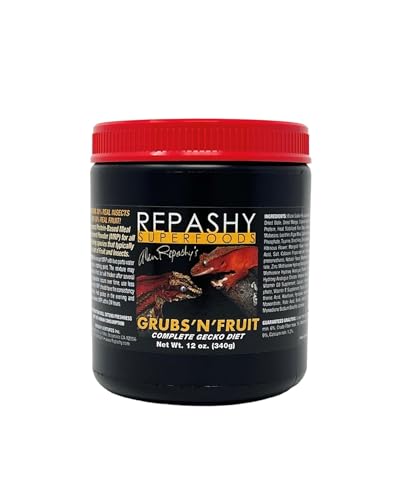
Repashy Superfoods Crested Gecko Meal Replacement Powder
Mixed with water into a smooth paste, this is a genuinely complete diet for crested and other fruit eating geckos, with calcium and vitamins already balanced so no extra dusting is required. Keepers report animals maintaining good weight and colour on it for years. Prepared food needs replacing daily as it dries out.
Pros
- Nutritionally complete without extra supplementation
- Long shelf life in powder form
- Widely used and well documented by keepers
Cons
- Must be mixed fresh and replaced daily
- Some individual geckos refuse certain flavours

Pangea Fruit Mix Complete Crested Gecko Diet
Pangea’s fruit forward formulas tend to win over geckos that turn their noses up at other powders, which makes this the standard backup in most collections. It is also a complete diet rather than a treat, so switching does not mean compromising nutrition. Several flavour variants exist for rotating the menu.
Pros
- Very high acceptance among fussy geckos
- Complete nutrition rather than a supplement
- Flavour range allows variety without switching brands
Cons
- Prepared mix spoils quickly in warm rooms
- Higher cost per feed than basic powders
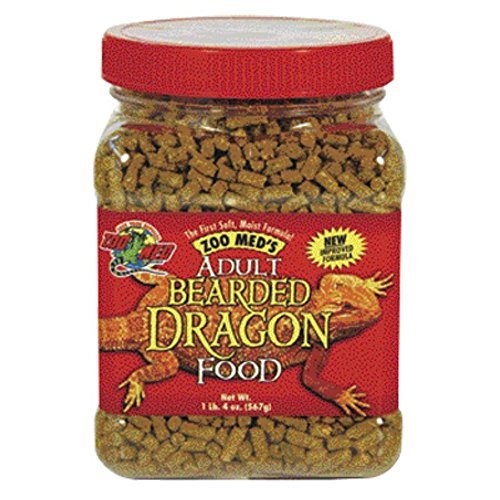
Zoo Med Natural Adult Bearded Dragon Food
A pelleted food formulated for the lower protein, higher fibre needs of adult bearded dragons, useful as part of a diet that also includes fresh greens and appropriate live insects. Softening the pellets in water improves acceptance considerably. It is a supplement to a varied diet rather than a full replacement.
Pros
- Convenient staple for busy weeks
- Formulated for adult rather than juvenile needs
- Softens easily for easier eating
Cons
- Not a complete substitute for greens and insects
- Dry pellets are often ignored until soaked

Mazuri Tortoise Diet
Widely used in zoos and by experienced keepers, this high fibre pelleted diet is designed to support the slow digestion and calcium needs of herbivorous tortoises. It is intended to complement grazing and fresh greens rather than replace them entirely. Pellets soak readily into a soft mash.
Pros
- Trusted formula used in professional collections
- High fibre supports normal tortoise digestion
- Soaks into an easily eaten mash
Cons
- Should not replace fresh grazing entirely
- Large bags can go stale before a single tortoise finishes them

Fluker’s Freeze Dried Crickets
A practical way to add insect protein without keeping a live colony, useful for topping pellet meals or tempting a reluctant insectivore. Freeze drying preserves nutrition reasonably well, though live prey remains better for enrichment and hydration. Best used as part of a varied feeding routine.
Pros
- No live insect keeping required
- Long shelf life in the cupboard
- Useful for encouraging reluctant feeders
Cons
- Less nutritious and hydrating than live prey
- No feeding response or enrichment value

Zoo Med Grassland Tortoise Food
Built around grasses and hay for species that graze in dry habitats, such as sulcata and leopard tortoises. It is an affordable everyday base to sit alongside fresh weeds and greens. Grassland species should not be fed fruit heavy diets, which this correctly avoids.
Pros
- Matches the natural diet of grazing species
- Affordable for regular feeding
- Avoids the sugars unsuitable for these tortoises
Cons
- Wrong choice for forest and fruit eating tortoises
- Still needs fresh greens alongside

Rep-Cal Adult Bearded Dragon Food
A straightforward pelleted dragon food with added calcium and vitamin D3, sold at a price that suits keepers feeding multiple animals. Acceptance varies by individual, and many dragons take it more readily when mixed with chopped greens. Like all pellets, it belongs in a varied diet rather than alone.
Pros
- Affordable for multiple animals
- Calcium and D3 already included
- Long shelf life when sealed
Cons
- Acceptance is inconsistent between individuals
- Needs mixing with greens for most dragons
Compared at a glance
| # | Model | Species | Best for | Score | Price |
|---|---|---|---|---|---|
| 1 | Repashy Superfoods Crested Gecko Meal Replacement Powder | Crested and fruit eating geckos | Best overall | 9.4 | Check price |
| 2 | Pangea Fruit Mix Complete Crested Gecko Diet | Crested and gargoyle geckos | Best for picky eaters | 9.2 | Check price |
| 3 | Zoo Med Natural Adult Bearded Dragon Food | Adult bearded dragons | Best for bearded dragons | 9.0 | Check price |
| 4 | Mazuri Tortoise Diet | Herbivorous tortoises | Best for tortoises | 8.8 | Check price |
| 5 | Fluker’s Freeze Dried Crickets | Freeze dried insects | Best protein topper | 8.6 | Check price |
| 6 | Zoo Med Grassland Tortoise Food | Grazing grassland tortoises | Best value | 8.3 | Check price |
| 7 | Rep-Cal Adult Bearded Dragon Food | Adult bearded dragons | Best budget | 8.0 | Check price |
What matters most
Start with the species, then the product Reptile nutrition splits sharply between insectivores, herbivores, omnivores and frugivores, and feeding across those lines causes real harm over time. A grassland tortoise fed fruit heavy food and a crested gecko fed dragon pellets are both being poorly served. Confirm your species’ natural diet first, then narrow to products formulated for it.
Calcium and vitamin D3 need attention Metabolic bone disease is one of the most common problems in captive reptiles, and it usually traces back to insufficient calcium, an unbalanced calcium to phosphorus ratio or inadequate UVB lighting. Some complete diets include calcium already, which means additional dusting can be unnecessary or even excessive. Check the label rather than assuming, and ask your exotics vet.
Complete diets are not the same as supplements A meal replacement powder is designed to be the whole diet. A pellet food, a treat and a freeze dried insect topper are designed to be part of one. Owners report problems when a supplement product is used as a staple, so read whether the manufacturer describes the food as complete or complementary.
Freshness and preparation affect acceptance Prepared gecko diets dry out within hours and are usually refused once crusted, while dry pellets are frequently ignored until soaked into a softer texture. Buy pack sizes you can use within a few months, store powders sealed and cool, and mix only what will be eaten. Small handling changes solve most refusal problems.
Good to know
Can one food cover every reptile in my collection?
No. Dietary needs differ dramatically between species, and a single product cannot serve a gecko, a bearded dragon and a tortoise. Feed each species a diet formulated for it, and check with an exotics vet if you are unsure what a particular animal needs.
Are commercial diets as good as live insects and fresh greens?
Good complete diets provide balanced nutrition and convenience, but live prey adds hydration and natural feeding behaviour that a bowl of paste cannot. Most experienced keepers use a mix, leaning on commercial food for consistency and live or fresh food for variety.
How often should I feed my reptile?
It varies enormously by species, age and temperature. Juveniles usually eat more frequently than adults, and many adult reptiles eat only a few times a week. Follow a species specific care guide and confirm with a vet familiar with reptiles.
Do I still need to dust food with calcium?
It depends on the product. Complete meal replacement powders often include calcium already, while live insects almost always need dusting. Over supplementing can cause its own problems, so check the label and ask your vet before adding more.
Why is my gecko refusing its food?
Common causes include the mix drying out, an unfamiliar flavour, temperatures being wrong for digestion, shedding or stress from a recent move. Persistent refusal or weight loss is a reason to see an exotics vet rather than simply switching brands.
How should reptile food be stored?
Sealed, cool and dry, away from direct sunlight. Powders and pellets lose vitamin potency over time once opened, so buying a pack size you will finish within a few months is better value than a large tub that sits half used for a year.
Can I feed fruit to a tortoise?
For grassland grazing species, generally not, since sugary fruit does not suit their digestion. Some forest species do eat fruit in the wild. This is exactly the kind of question where species identification matters more than any general rule.
Are freeze dried insects a good substitute for live ones?
They are convenient and shelf stable, and useful as part of a diet, but they lack the moisture and the hunting behaviour that live prey provides. Use them as a topper or backup rather than the sole protein source for an insectivore.
Final word
Match the food to the species first: Repashy or Pangea for crested geckos, Zoo Med or Rep-Cal pellets alongside greens and insects for bearded dragons, and Mazuri or Zoo Med Grassland for tortoises. None of these should be the entire diet unless the manufacturer describes it as complete. If an animal is losing weight or refusing food consistently, that is a conversation for an exotics vet rather than a change of brand.


