Smart Home Essentials for a Connected Living Space
For most households, the Amazon Echo Show 8 (3rd Gen) stands out as the top pick, blending a vibrant display with robust Alexa integration and a built-in smart home hub. It is ideal for those who want a central command center for controlling lights, cameras, and more, plus video calls and entertainment. Its main advantage is the visual interface that makes managing devices intuitive. A limitation is that it relies on Alexa, so if you prefer Google Assistant, you might look elsewhere.
Smart home technology has evolved from a novelty to a practical upgrade for daily living. Whether you want to automate lighting, monitor your front door, or simply play music with a voice command, the right devices can streamline your routines.
This roundup focuses on standalone devices that work well individually or together. We considered ease of setup, ecosystem compatibility, and reliability. The products below represent the best in their categories based on current market offerings.
Before you buy
The best picks, ranked

Amazon Echo Show 8 (3rd Gen)
This smart display features an 8-inch HD touchscreen, spatial audio, and a built-in Zigbee smart home hub. It allows you to control compatible devices, view security cameras, and make video calls. Owners report crisp visuals and clear sound.
Pros
- Built-in hub simplifies device control
- Great camera for video calls
- Vivid display with adaptive color
Cons
- Alexa only, no Google Assistant
- Privacy concerns with always-on mic

Google Nest Hub (2nd Gen)
The Nest Hub offers a 7-inch touchscreen and Soli radar for gesture controls. It excels at integrating with Google services and supports Thread and Matter. Users appreciate the sleep sensing feature (optional) and the ability to control casting.
Pros
- Seamless with Google apps
- Gesture controls add convenience
- No camera for privacy
Cons
- Limited to Google ecosystem
- No built-in hub for Zigbee
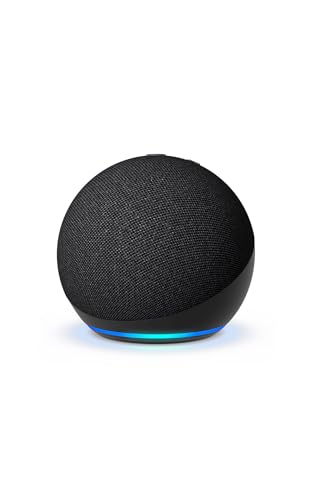
Amazon Echo Dot (5th Gen)
A compact speaker with improved audio and a temperature sensor. It can control smart home devices via Alexa and doubles as an Eero Wi-Fi extender. It delivers surprisingly rich sound for its size.
Pros
- Affordable and compact
- Good sound quality for size
- Works as an Eero extender
Cons
- No display
- Requires separate hub for some devices
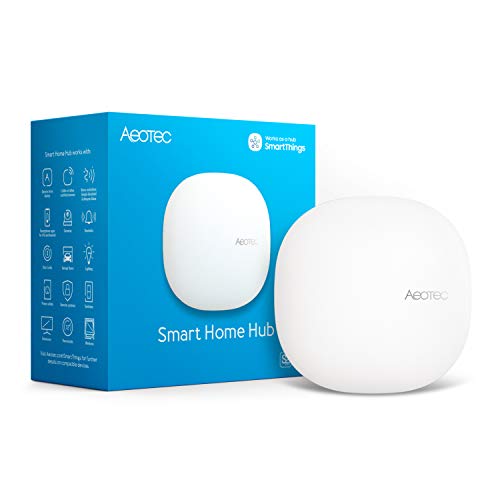
Samsung SmartThings Hub
This hub supports Zigbee, Z-Wave, Matter, and Thread, making it a central point for a wide range of devices. It works with Alexa, Google Assistant, and SmartThings app. It is ideal for users with mixed ecosystems.
Pros
- Extensive protocol support
- Works with multiple assistants
- Reliable automation engine
Cons
- Setup can be technical
- No built-in speaker

August Wi-Fi Smart Lock (4th Gen)
This smart lock replaces your deadbolt and allows keyless entry via the August app. It features DoorSense to detect open/closed status and auto-lock/unlock. It integrates with Alexa, Google Assistant, and Apple HomeKit.
Pros
- Easy to install with basic tools
- Auto-lock/unlock via geofencing
- Works with major assistants
Cons
- No built-in keypad
- Battery life varies with usage

Ecobee Smart Thermostat Premium
This thermostat includes a built-in air quality monitor and a remote sensor. It supports Alexa and works with Apple HomeKit, Google Assistant, and Samsung SmartThings. It learns your schedule to optimize heating and cooling.
Pros
- Air quality monitoring adds value
- Smart scheduling reduces energy use
- Works with all major ecosystems
Cons
- Premium price point
- Installation may require C-wire

TP-Link Kasa Smart Wi-Fi Plug Mini 4-Pack
This pack includes four compact plugs that let you control lamps, fans, and other appliances from your phone or voice. They work with Alexa and Google Assistant and support scheduling and away modes.
Pros
- No hub required
- Affordable multipack
- Reliable Wi-Fi connection
Cons
- 2.4GHz only, no 5GHz
- Bulky when stacked
Compared at a glance
| # | Model | Display | Best for | Score | Price |
|---|---|---|---|---|---|
| 1 | Amazon Echo Show 8 (3rd Gen) | 8-inch HD touchscreen | Best overall smart display with hub | 9.4 | Check price |
| 2 | Google Nest Hub (2nd Gen) | 7-inch touchscreen | Best for Google Assistant users | 9.2 | Check price |
| 3 | Amazon Echo Dot (5th Gen) | 1.73-inch front-firing speaker | Best budget smart speaker | 8.8 | Check price |
| 4 | Samsung SmartThings Hub | Zigbee, Z-Wave, Matter, Thread | Best for universal compatibility | 8.7 | Check price |
| 5 | August Wi-Fi Smart Lock (4th Gen) | Replaces existing deadbolt | Best for keyless entry convenience | 8.9 | Check price |
| 6 | Ecobee Smart Thermostat Premium | 4.3-inch touchscreen | Best for energy savings and air quality | 9.1 | Check price |
| 7 | TP-Link Kasa Smart Wi-Fi Plug Mini 4-Pack | Wi-Fi 2.4GHz | Best for easy plug-and-play automation | 8.5 | Check price |
Common questions
What is Matter and why does it matter?
Matter is a new connectivity standard backed by major companies. It aims to make smart home devices work across ecosystems without needing separate hubs. Devices with Matter can be controlled by Alexa, Google Assistant, and Apple HomeKit. It simplifies setup and improves interoperability.
Can I mix devices from different brands?
Yes, as long as they are compatible with the same ecosystem or protocol. For example, a Nest Hub can control TP-Link plugs if they work with Google Assistant. However, advanced automations may be limited. Using a hub like SmartThings can bridge many brands.
Do smart home devices slow down my Wi-Fi?
Wi-Fi devices can add load to your router, especially if you have many. Each device connects and communicates, which can reduce bandwidth and cause interference. Using a mesh network or a hub for Zigbee/Z-Wave devices can alleviate this. Limit the number of Wi-Fi devices or use a separate IoT network.
Are smart home devices secure from hackers?
Like any internet-connected device, they are vulnerable. Manufacturers implement security measures, but risks remain. To protect, use strong passwords, enable encryption, and keep firmware updated. Avoid buying cheap, no-name devices that may lack security updates. Use a firewall and separate network if possible.
Can smart home devices work without internet?
Some basic functions like local automation may work without internet, but most voice control and remote access require it. Devices using Zigbee or Z-Wave can run locally if your hub has a local control option. Check each product’s specifications for offline capabilities.
What is the best way to start building a smart home?
Begin with a smart speaker or display as a hub. Then add smart plugs or bulbs to automate lighting. This gives you a feel for voice control and app usage. Expand to more devices like locks, thermostats, or cameras as you become comfortable.
How do I control smart home devices when I’m away from home?
Most devices have companion apps that work from anywhere. You can also use voice assistants on your phone. Ensure your account is secure with two-factor authentication. Some devices support remote access through the cloud, while others may require a hub with cloud connectivity.
Do smart plugs consume energy even when the device is off?
Yes, smart plugs use a small amount of standby power to maintain connectivity. This is typically minimal, less than a watt. Over time, the energy savings from scheduling your devices usually outweigh this. Look for plugs with low standby power consumption.
Can I control smart home devices with multiple assistants?
Many devices support both Alexa and Google Assistant, but not all support both simultaneously. You may need to link the device to both apps. Some devices are exclusive to one ecosystem. Check compatibility before purchasing if you plan to use multiple assistants.
What is the difference between a hub and a speaker?
A hub is a central device that connects different protocols like Zigbee and Z-Wave. A speaker like Echo Dot or Nest Hub is primarily for voice interaction and can also control devices via Wi-Fi. Some speakers have built-in hubs, like the Echo Show, but not all. A dedicated hub offers broader compatibility.
Final word
After comparing these products, the Amazon Echo Show 8 is the best choice for most people because it combines a display, speaker, and hub in one device. It offers the easiest setup and broad compatibility. However, if you are deeply invested in Google’s ecosystem, the Google Nest Hub is a strong alternative. For budget-conscious users, the Echo Dot provides excellent value. Ultimately, your decision should align with your preferred assistant and the devices you already own.