Which Snow Boots Actually Keep Feet Warm All Day?
Sorel Caribou wins overall thanks to its removable felt liner and waterproof leather upper that shrugs off seasons of salt and slush. Kamik Nation Plus delivers similar warmth for less. Baffin Impact is the boot to reach for once temperatures fall well below zero.
Sorel Caribou is the boot most people should buy for a real winter, with Kamik Nation Plus covering similar ground for less and Baffin Impact reserved for genuine extreme cold.
Warm boots built for standing still turn sweaty and clumsy on a long walk, while sleek waterproof hikers leave toes numb at a bus stop. Snow boots get this balance wrong constantly. We compared insulation type and stated temperature rating, waterproofing construction, outsole compound and shaft height, based on published specifications and the wear patterns owners report over several seasons.
The top picks, ranked
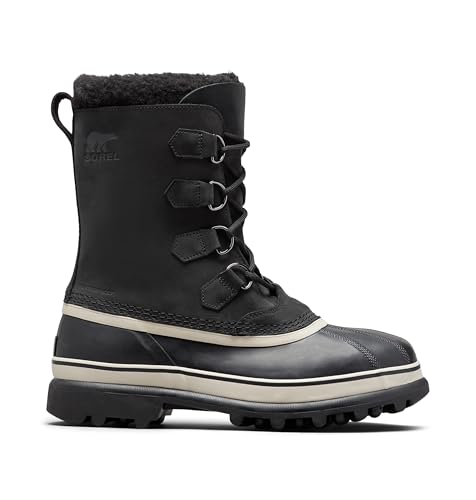
Sorel Caribou Boot
A removable felt liner comes out to dry overnight, so each morning starts with a dry boot instead of a cold damp one. Waterproof nubuck leather and a vulcanized rubber shell shrug off slush and road salt. Weight is the trade off, and that bulk is why it is not built for long distance walking.
Pros
- Removable liner dries fully overnight
- Rubber shell handles slush and salt well
- Proven durability across many seasons
Cons
- Heavy on the foot for long distances
- Bulky fit takes getting used to

Columbia Bugaboot Celsius Plus
Synthetic insulation pairs with a reflective inner lining that pushes body heat back toward the foot, giving warmth without the bulk of a felt liner boot. Lacing up snug and a grippy outsole make it a boot you can actually walk in. Standing still for hours favors the Caribou instead, which is a fair trade for most people.
Pros
- Warm without feeling bulky
- Lace up fit works for walking distances
- Good traction on packed snow
Cons
- Liner is fixed so it dries slowly
- Less warm than felt liner boots when stationary

Kamik Nation Plus Snow Boot
The same removable liner principle found in pricier boots shows up here at a noticeably lower cost. A waterproof rubber shell and nylon upper handle everyday winter conditions, and the boot weighs less than a leather shelled Caribou. Materials feel less premium, which shows over multiple seasons rather than the first one.
Pros
- Removable liner at a lower cost
- Lighter than most liner boots
- Fully waterproof rubber lower
Cons
- Materials wear faster than premium boots
- Fit runs narrow for some wearers

The North Face Chilkat V
This boot is built to be worn all day rather than pulled on just for snow clearing, with a lighter feel and a proper flexing sole. A gusseted tongue and waterproof upper keep slush out at crossings. Hours of standing still in deep cold call for one of the felt lined boots here instead.
Pros
- Comfortable enough for all day wear
- Flexible sole suits walking on pavement
- Slimmer profile than shell boots
Cons
- Fixed liner is slow to dry
- Less warm when standing still for long periods

Baffin Impact Winter Boot
Arctic work is the design brief, and a multi layer removable liner system rates far colder than anything else here. Ice fishers, dog handlers and outdoor workers in deep winter are the natural audience. Genuine weight and unnecessary warmth make it a poor fit for a mild suburban winter.
Pros
- Warmth beyond anything else on this list
- Multi layer liner removes for drying
- Tall shaft keeps deep snow out
Cons
- Very heavy and bulky to walk in
- Far too warm for mild winter days

Merrell Thermo Chill Mid Waterproof Boot
Closer to a winter hiking boot than a traditional snow boot, this model pairs a hiking last and supportive midsole with enough insulation to keep toes warm while moving. Winter trails favor it over every shell boot here for comfort and footing. Standing on a touchline in freezing wind or wading through deep drifts is not its job.
Pros
- Comfortable over long walking distances
- Genuine hiking support and footing
- Lighter than shell style snow boots
Cons
- Mid height lets deep snow in without gaiters
- Not warm enough for standing in extreme cold

Bogs Classic High Waterproof Boot
No seams and no laces define this one piece waterproof rubber boot, making it the choice to pull on for wet slushy conditions, farm work or muddy dog walks. Neoprene insulation keeps it warm enough for typical winter days, and side handles make it quick to get on and off. Rubber does not breathe, so long walks can leave feet damp from the inside.
Pros
- Completely waterproof with no seams
- Fast to pull on and off
- Excellent in slush, mud and wet yards
Cons
- Rubber does not breathe on long walks
- No lacing so fit cannot be adjusted
How they stack up
| # | Model | Insulation | Best for | Score | Price |
|---|---|---|---|---|---|
| 1 | Sorel Caribou Boot | Removable 9mm recycled felt inner boot | Best overall | 9.4 | Check price |
| 2 | Columbia Bugaboot Celsius Plus | Synthetic insulation with reflective lining | Best all rounder | 9.2 | Check price |
| 3 | Kamik Nation Plus Snow Boot | Removable 8mm liner | Best value | 9.0 | Check price |
| 4 | The North Face Chilkat V | Synthetic insulation, fixed lining | Best for commuting | 8.8 | Check price |
| 5 | Baffin Impact Winter Boot | Multi layer removable inner boot system | Best for extreme cold | 8.6 | Check price |
| 6 | Merrell Thermo Chill Mid Waterproof Boot | 200g synthetic insulation | Best for hiking | 8.3 | Check price |
| 7 | Bogs Classic High Waterproof Boot | Neoprene insulation | Best for slush and mud | 8.0 | Check price |
Before you buy
Should you buy for standing still or for walking? This single question sorts the category. Standing still in cold air, at a bus stop, on a touchline or on the ice, calls for maximum insulation and a removable liner. Walking generates heat, so a lighter insulated boot with a flexing sole keeps you comfortable and avoids the sweaty feet that eventually get cold anyway. Buying an arctic rated boot for a walking commute is a common and uncomfortable mistake.
Why do removable liners matter so much? A boot that dries fully between wears stays warm, because damp insulation conducts heat away from the foot. Removable felt or multi layer liners come out at the end of the day, dry overnight and can be replaced once they compress after a few seasons. Fixed linings take far longer to dry, which matters most for boots worn every day of the week.
How accurate are snow boot temperature ratings? Manufacturer ratings come from specific test conditions and assume an active wearer in appropriate socks. Circulation, activity level, wind and how long you stay outside all shift the reality substantially. Treat a rating as a way to compare boots within a brand rather than a promise about how a given temperature will feel.
What about traction and sizing? Look for a deep lug pattern and a rubber compound that stays flexible in cold, since hard rubber turns skating rink slick on ice. No standard outsole is reliable on sheet ice, so add slip on traction devices if that is a regular hazard on your route. Leave room for a thicker sock and moving toes, since a boot laced tight against a thick sock restricts circulation and makes feet colder.
Good to know
How warm do my snow boots need to be?
Activity level matters more than the forecast number. Standing still in deep cold calls for a heavily insulated boot with a removable liner, while walking generates enough heat that moderate insulation feels more comfortable. Wind and dampness both make a given temperature feel considerably colder.
Are waterproof and water resistant the same thing?
No. Waterproof construction, such as a one piece rubber shell or a sealed membrane, keeps water out through sustained exposure. Water resistant treatments shed light snow but soak through in slush. Salted, wet winter roads call for genuinely waterproof boots.
What size should I buy in snow boots?
Usually your normal size, with room for a thicker winter sock and a little toe movement. Sizing up a full size often creates heel lift and blisters. Try boots on with the heavy wool socks you plan to wear rather than guessing.
Do I need boots with a removable liner?
Daily wear or frequent wet conditions make a removable liner worthwhile, since it dries overnight and can be replaced once compressed. Occasional use is served fine by a fixed lining, which is usually lighter too.
Will snow boots stop me slipping on ice?
They help on packed snow, though no ordinary outsole is dependable on clear ice. Deep lugs and a cold flexible rubber compound improve matters somewhat. Slip on traction devices with metal studs are the only reliable answer for genuinely icy conditions.
How should I care for snow boots?
Rinse road salt off leather and rubber, since salt dries and cracks both over time. Remove liners to dry at room temperature, never on a radiator, which damages adhesives and shrinks leather. Reapply a waterproofing treatment to leather uppers once or twice a season.
What socks should I wear with snow boots?
Merino wool or a wool blend, in a thickness that still leaves room in the boot. Cotton holds moisture against the skin and cools the foot rapidly, so avoid it. One good pair beats two thin pairs, which tend to bunch and restrict circulation.
Can I use winter hiking boots as snow boots?
For walking and hiking, yes, and they are often more comfortable than a shell boot. Deep snow without gaiters gets in regardless, and standing still for long periods in extreme cold is where a taller insulated boot earns its place instead.
Sorel Caribou vs Kamik Nation Plus: what is the real difference?
Both use a removable liner and rate to around minus 40 degrees Fahrenheit. Caribou uses waterproof nubuck leather over a rubber shell, while Kamik relies on rubber and nylon and weighs less. Material quality and long term durability favor the Caribou, at a higher cost.
Our pick
Sorel Caribou is still the boot to recommend for a real winter, since a removable liner that dries overnight keeps it warm through a whole season of wet and salt. Kamik Nation Plus delivers most of that for considerably less. Baffin Impact earns its place only when the temperature genuinely calls for it.


