Swing Away Heat Presses That Hold Temperature Under Load
Fancierstudio’s Power Heat Press 15×15 Swing Away balances even heat and simple controls for hobby and small-shop work. VEVOR’s 15×15 Swing Away is the budget starting point for beginners. PowerPress Industrial holds temperature best for steady production runs.
Fancierstudio’s Power Heat Press 15×15 Swing Away suits most hobbyists and small shops, pairing an even 15 by 15 platen with an arm that swings fully clear of your work. VEVOR’s 15×15 costs less and covers the basics for a first press. PowerPress Industrial trades some portability for steadier output on volume runs.
Wattage numbers on a box tell you little, since even heating and consistent pressure decide whether a transfer bonds cleanly or peels at the corner. Cheap platens develop cold spots that no amount of press time fixes. We compared specifications, platen sizes and what owners report about temperature accuracy and long-run reliability.
What we recommend
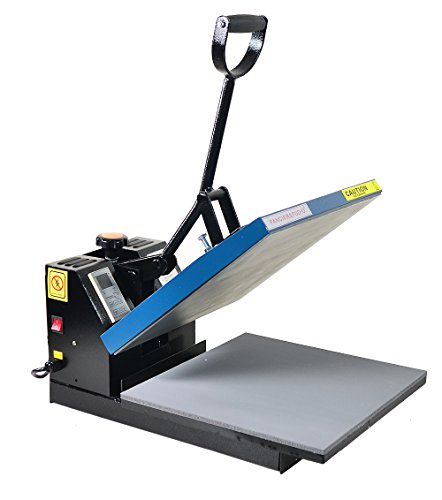
Fancierstudio Power Heat Press 15×15 Swing Away
This 15 by 15 press balances even heat with simple digital controls at a fair price point. Its arm swings fully clear of the lower platen, keeping hands away from the hot surface while positioning garments. Owners cite it as the default recommendation for anyone starting a small shop.
Pros
- Even heating across the platen
- Arm swings fully clear for safety
- Reasonable price for the size
Cons
- Basic manual documentation
- Pressure knob requires manual dialing

VEVOR Heat Press 15×15 Swing Away
VEVOR covers the essentials for beginners at a low price, with a full-size platen and digital time and temperature readouts. Results on shirts and tote bags come out solid once pressure is dialed in correctly. The frame feels lighter than pro-grade units but holds up to occasional use.
Pros
- Affordable full-size platen
- Simple digital controls
- Swing design frees the work surface
Cons
- Temperature can read slightly off
- Frame feels lighter than pro units

PowerPress Industrial-Quality Digital Swing Away Heat Press
A sturdier frame and steadier temperature hold set this apart during long sessions. Shops pressing batches rather than one-off orders lean on it for consistency across dozens of transfers. The swing arm and even platen carry over from lighter models, just built to survive daily use.
Pros
- Holds temperature well over long runs
- Sturdier frame than budget models
- Even pressure distribution
Cons
- Heavier to move and store
- Higher price than entry units

Colorsub 15×15 Swing Away Heat Press
Crafters starting with vinyl and sublimation get a full 15 by 15 surface and digital controls at an entry price. Learning the process before scaling up to a pricier press is the whole point here. Accessories are limited, so budget for extras like Teflon sheets separately.
Pros
- Low entry price
- Full-size platen for the money
- Easy for beginners to operate
Cons
- Lighter build than pro presses
- Fewer accessories included

Slendor 15×15 Swing Away Heat Press
Clear digital readouts and a stable base help new users land consistent results early. The arm rotates fully away from the heat during placement, cutting the risk of accidental burns. Instructions run sparse, so expect to lean on online guides for pressure settings.
Pros
- Beginner-friendly controls
- Stable base for even pressure
- Arm swings clear of the platen
Cons
- Instructions are sparse
- Pressure adjustment is manual

Seeutek 15×15 Swing Away Heat Press
A rugged frame and consistent heat suit crafters pressing regularly rather than occasionally. Owners note the solid hinge as a strong point after months of use. The full platen handles shirts, bags and larger transfers without cold spots creeping in at the edges.
Pros
- Sturdy hinge and frame
- Consistent heat across the platen
- Handles frequent use
Cons
- Heavier than starter presses
- Takes up more bench space

VEVOR 16×20 Swing Away Heat Press
A bigger platen opens up oversized transfers, back prints and larger tote designs that a 15 by 15 press cannot fit in one pass. Multi-placement jobs get easier with the extra surface. The swing arm still clears the platen fully, useful given the larger footprint to line up.
Pros
- Large platen for oversized prints
- Good value for the size
- Swing design aids placement
Cons
- Needs more storage space
- Heavier to reposition
What matters most
Swing away versus clamshell design A swing away press rotates the heated upper platen completely to the side, so you can position garments without reaching under a hot plate. It also applies more even vertical pressure on thick items like mouse pads and multi-layer transfers. The trade is bench clearance, since the arm needs open space to swing into.
Sizing the platen to your projects A 15 by 15 platen covers most shirts and tote bags and is the common default. Step up to a 16 by 20 like the larger VEVOR only if back prints or oversized designs are a regular job. Bigger platens heat a wider area and cost more to run, so match size to actual project needs.
Why even heating matters more than top temperature Cold spots cause uneven curing and peeling transfers, regardless of how high the maximum temperature reads on the box. Owner reports about consistent heating carry more weight than spec sheets here. An infrared thermometer spot check across the platen catches problems before a batch of shirts ruins.
Build quality and manual pressure control A heavier, well-braced frame holds pressure and temperature steadier through long sessions, which is why production models like the PowerPress Industrial cost more. Most presses in this class use a manual knob rather than an automatic setting. Learning to dial pressure in per material beats expecting one setting to fit everything.
How they compare
| # | Model | Platen size | Best for | Score | Price |
|---|---|---|---|---|---|
| 1 | Fancierstudio Power Heat Press 15×15 Swing Away | 15 by 15 inches | Best overall | 9.2 | Check price |
| 2 | VEVOR Heat Press 15×15 Swing Away | 15 by 15 inches | Best value | 8.7 | Check price |
| 3 | PowerPress Industrial-Quality Digital Swing Away Heat Press | 15 by 15 inches | Best for production | 9.0 | Check price |
| 4 | Colorsub 15×15 Swing Away Heat Press | 15 by 15 inches | Best budget | 8.3 | Check price |
| 5 | Slendor 15×15 Swing Away Heat Press | 15 by 15 inches | Best for beginners | 8.5 | Check price |
| 6 | Seeutek 15×15 Swing Away Heat Press | 15 by 15 inches | Best for durability | 8.6 | Check price |
| 7 | VEVOR 16×20 Swing Away Heat Press | 16 by 20 inches | Best for large prints | 8.6 | Check price |
Frequently asked questions
Is a swing away or clamshell heat press better?
Swing away presses give clear access to the lower platen and more even pressure on thick items, suiting sublimation and layered transfers. Clamshells take less space and work faster on simple flat prints. Pick swing away when safety access and even pressure matter most.
What platen size should I buy for a heat press?
A 15 by 15 platen is the versatile default for shirts and bags. Regular oversized designs or full back prints call for a 16 by 20 like the larger VEVOR. Match the size to typical projects rather than buying the biggest option available.
What temperature do heat transfers need?
It varies by material. Many heat transfer vinyls cure around 300 to 320 F, while sublimation runs closer to 380 to 400 F. Always follow the transfer manufacturer’s instructions, since exact time and temperature depend on both material and garment.
Do cheaper swing away heat presses work as well as pro models?
Budget presses like the Colorsub produce good results for hobby use, though frames run lighter and temperature holds slightly less consistently. That is fine for occasional projects. Steady production favors a sturdier model that holds up over more cycles.
Can a swing away press handle sublimation?
Yes. These models reach sublimation temperatures, and the swing away design applies the even pressure sublimation benefits from. Use blanks rated for sublimation and protective paper, then spot-check temperature for best results.
How do I get even pressure across a heat press platen?
Most presses use a manual knob adjusted for material thickness. Center the item, tighten until the arm closes firmly with resistance, then test on scrap fabric first. A stable, heavy frame makes consistent pressure easier to hold.
How much clearance does a swing away press need?
Because the arm rotates to the side rather than up, a swing away needs space around the machine, not just above it. Leave room on the swing side plus working space in front. Larger platens such as the 16 by 20 need a bigger, sturdy table.
Are heat presses safe to use at home?
Yes, with sensible precautions. The swing away design keeps the hot plate away from hands during placement, though the platen itself still reaches high temperatures. Work on a heat-resistant surface and never leave a heated press unattended.
Swing away vs clamshell, which one should a beginner buy first?
Beginners often do better starting with swing away, since the open access reduces accidental contact with the hot platen while learning pressure and timing. Clamshell presses reward users who already know their settings and want faster cycle times.
Final word
Fancierstudio’s Power Heat Press 15×15 Swing Away offers the best mix of even heat and safe design for hobbyists and small shops at a fair price. Start with the VEVOR 15×15 to control costs while learning, or move to the PowerPress Industrial press once steady production output becomes the priority.